
As the days get shorter and temperatures begin to drop, it’s time to start thinking about closing your pool. This essential step helps protect your pool and its equipment from freezing and makes reopening it easier in the spring. Cleaning, balancing the water, draining the equipment, protecting the plumbing and installing the winter cover: discover the key steps to closing your pool before winter, with tips from Azur Pool.
When should you close your pool?
It’s important not to wait until the first major frost to close your pool.
The exact timing may vary depending on the region and weather conditions. The goal is to continue maintaining your pool water until it’s time to close the pool, then winterize it before freezing temperatures can damage the plumbing or equipment.
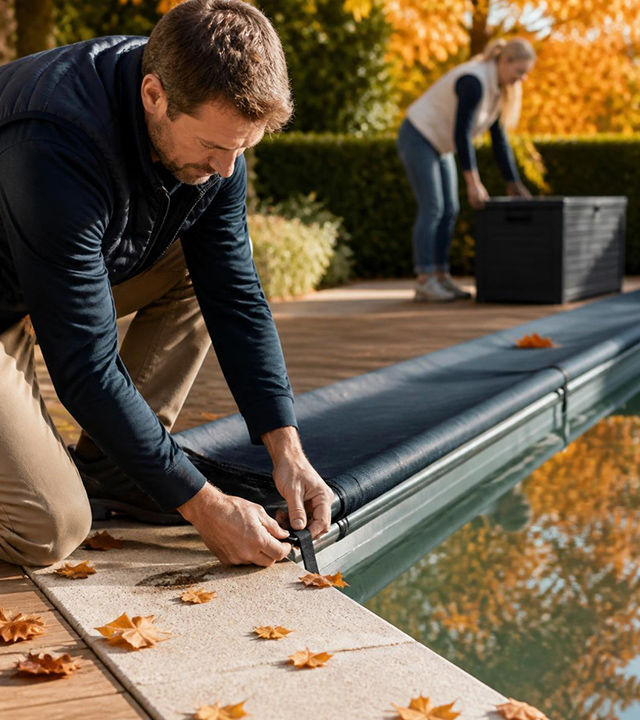
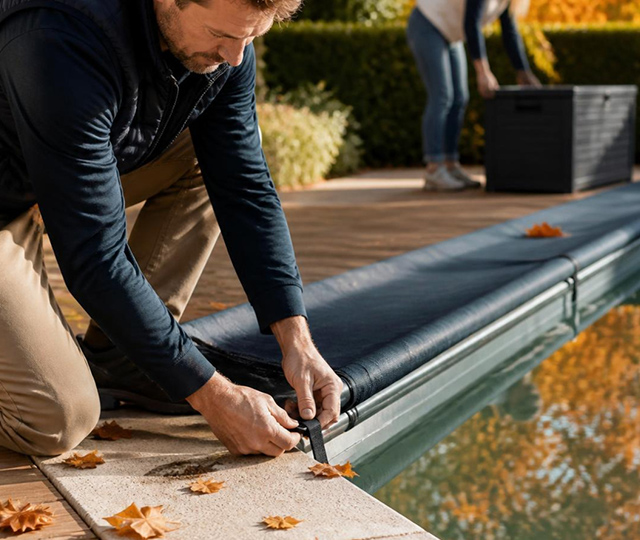
Pro Tip: Avoid closing a pool if the water is green. Clean, properly balanced water at the time of closing will make reopening your pool much easier in the spring.
How to Close a Pool for the Winter
A successful pool closing starts with a clean pool and properly balanced water. Here are the main steps to follow.
1. Clean the pool
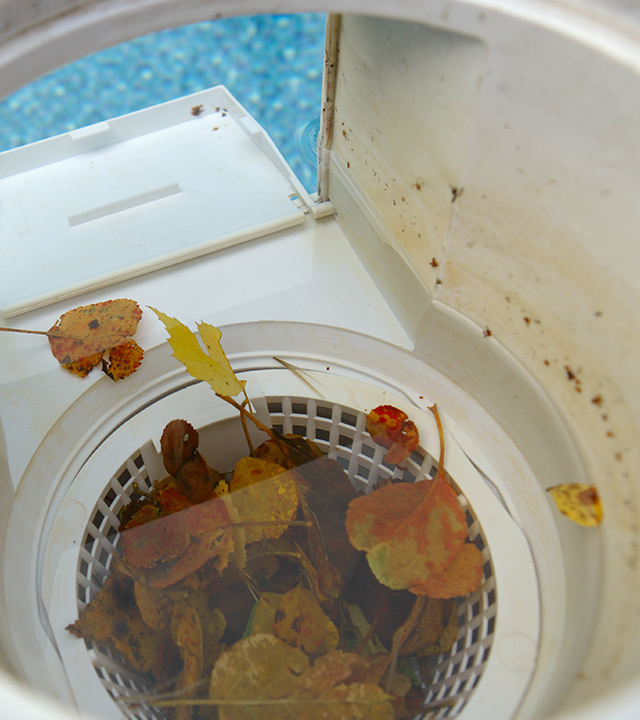
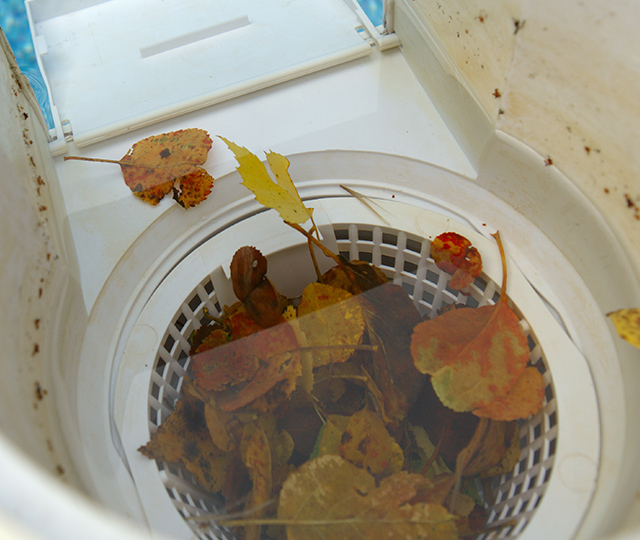
First, remove any leaves and debris from the water, then clean the walls and bottom of the pool.
The goal is simple: avoid leaving organic matter in the water for several months.
2. Balance the water
Before adding pool closing products, test the water and adjust the following levels as needed:
- pH;
- Alkalinity;
- Chlorine.
Properly balanced water helps maintain water quality throughout the winter and protects the various components of your pool. BMR also offers a free water testing service at participating stores. Our team will test several water parameters for you, including pH, chlorine, alkalinity, hardness and stabilizer levels.
3. Apply the pool closing treatment
Once the water is balanced, apply the recommended treatment to prepare your pool for winterization.
Products that can be used include:
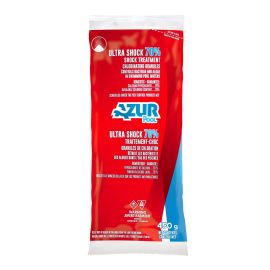
This product provides a shock treatment for the water before closing the pool.
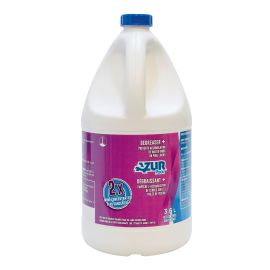
A long-lasting algaecide helps prevent algae growth during the colder months. This is the product that makes the biggest difference when reopening your pool in the spring!
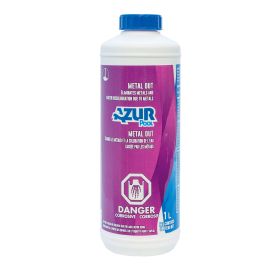
It helps prevent stains that may be caused by metals present in the water.
The quantity and type of products to use may vary depending on the water volume, the sanitation system, and the pool type. Always follow the manufacturer's instructions.
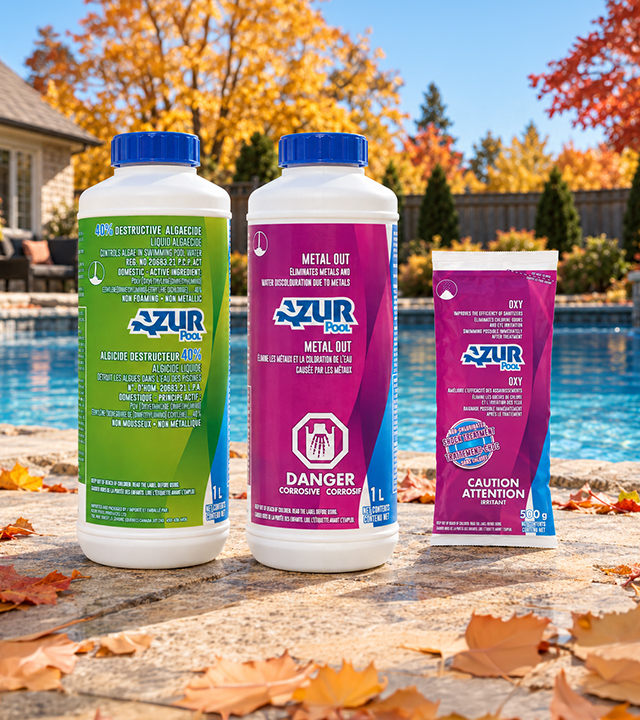
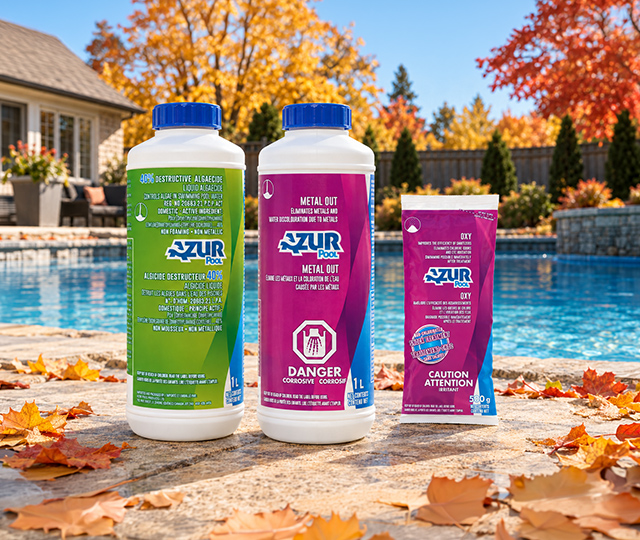
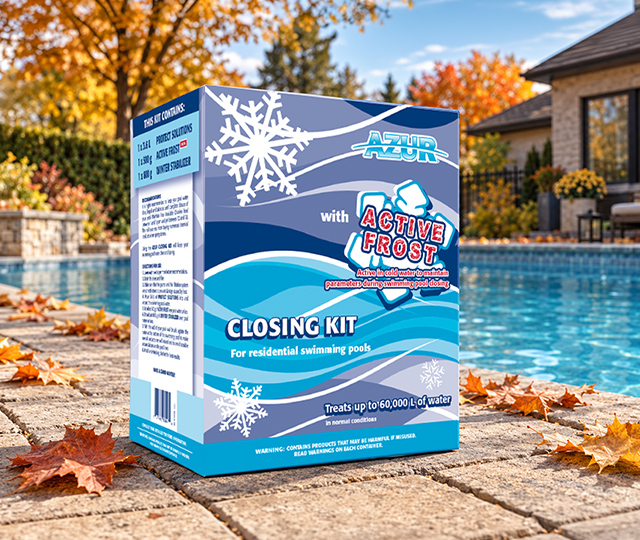
A simple option: the Azur closing kit
The Azur pool closing kit brings together the products needed for the closing treatment in a practical solution. A version designed for salt pools is also available at BMR.
This is an interesting option for owners who want to have the main treatment products gathered in one place while avoiding multiple purchases.
How to prepare the filtration system for winter
Closing is not just about the water. Equipment must also be cleaned and prepared to withstand winter temperatures.
Clean the filter
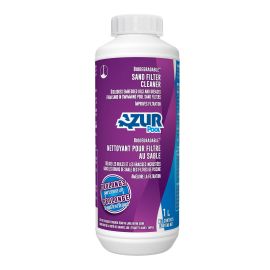
Take advantage of the pool closing process to clean the filtration system. For a sand filter, use a suitable cleaning product to remove residue that has accumulated throughout the season.
Salt water pool: Clean the cell
If your pool uses a salt water system, clean the cell according to the manufacturer’s recommendations before storing or winterizing it.
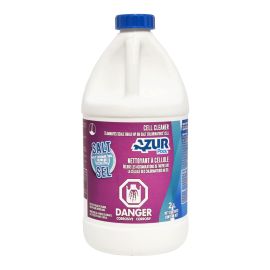
A suitable cell cleaner can help remove deposits that have built up over the summer.
Drain the Pump and Water Heater
Drain the water from the pump, water heater and any other equipment that could be damaged by freezing.
Always refer to the manufacturer’s instructions for your equipment, as the procedure may vary from one model to another.
Protect Pool Lines from Freezing
The plumbing is one of the most important components to protect before winter.
Once the water level has been lowered according to the recommendations for your pool setup, remove as much water as possible from the lines to prevent it from freezing, expanding and damaging the plumbing over the winter.
The main steps include:
-
Blow the water out of the lines
Using suitable equipment, blow air through the lines to remove the water. Work on one line at a time, including the return lines and other pool plumbing lines. Continue until the water has been expelled and air is flowing out of the line. The goal is to leave as little water as possible in the plumbing before the first freezing temperatures arrive.
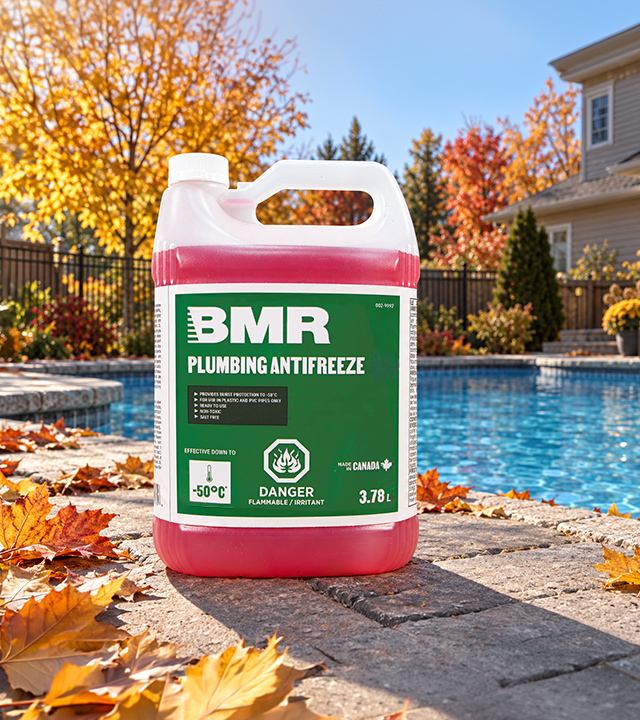
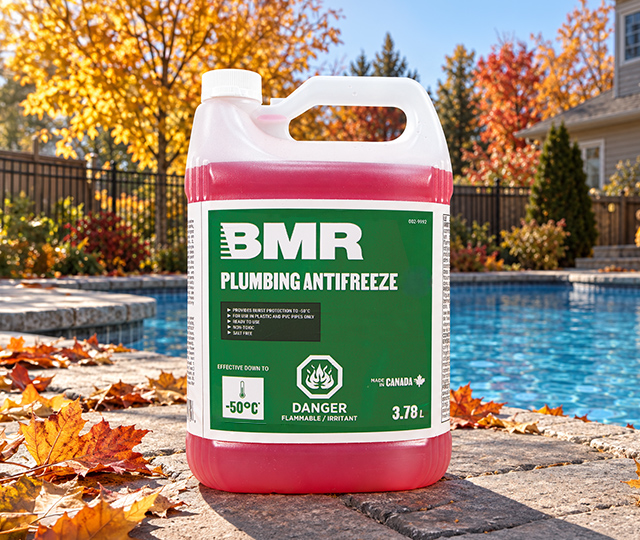
2. Add antifreeze specifically designed for pools, when required by your setup
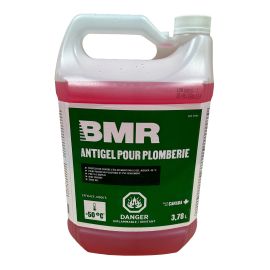
Once the lines have been drained, a non-toxic antifreeze specifically designed for pools can be added when recommended for your setup. Follow the manufacturer’s instructions regarding the proper amount and method of use. Never use automotive antifreeze in your pool plumbing. Use only a product designed for this purpose and follow the manufacturer’s instructions.
3. Properly close and protect the lines
After removing the water and adding antifreeze where required, close the lines using the appropriate winterizing plugs to prevent water from re-entering the plumbing during the winter. Make sure each plug is properly installed and provides a watertight seal. Exposed openings and components should also be protected according to the recommendations of your pool and equipment manufacturers.
Pro Tip: The plumbing winterization procedure may vary depending on whether you have an above-ground, in-ground or semi-inground pool, as well as the configuration of your equipment. Refer to the manufacturer’s instructions or consult a professional if you are unsure of the proper procedure.
Which accessories should you remove before winter?
Depending on your pool setup, remove any accessories that should not remain in the pool over the winter.
These may include:
- Ladders;
- Certain removable accessories;
- Maintenance equipment;
- Swimming accessories.
Clean them and allow them to dry before storing them in a suitable location.
How to install the winter cover?
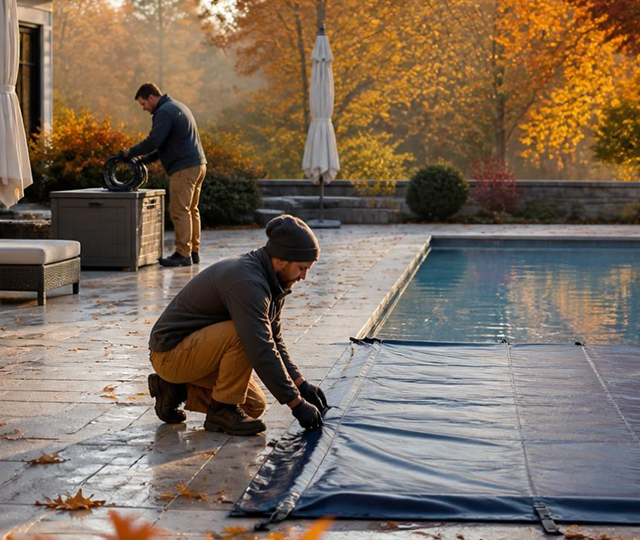
Once the pool and its equipment have been prepared, you can install the winter cover.
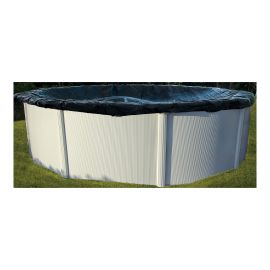
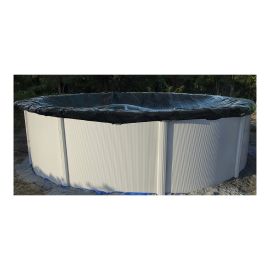
Before installing it, it is recommended that you clean it thoroughly. A clean, properly installed cover will help protect the pool from leaves and debris throughout the colder months.
Also make sure that the anchors and fastening devices are secure in accordance with the manufacturer’s recommendations.
What mistakes should you avoid when closing a pool?
Certain mistakes can make reopening your pool in the spring considerably more difficult or cause damage to the equipment.
Closing the pool when the water Is green
Treat and clean the water first. Closing a pool that already has an algae problem can make reopening it much more difficult.
Waiting until after the first frost
Plumbing and equipment that still contain water may be vulnerable to freezing.
Neglecting the plumbing lines
Proper winterization of the plumbing is essential in Quebec’s climate.
Installing a dirty cover
Take a few minutes to clean the cover before installing it to avoid trapping dirt unnecessarily for several months.
Ignoring the manufacturer’s recommendations
Procedures may vary depending on whether you have an above-ground, semi-inground or in-ground pool, as well as the equipment installed.
With clean, properly balanced water, protected plumbing lines and the right pool closing products, your pool will be better prepared for the colder months.
Need help choosing the right products? Visit the experts at your BMR store to find the right Azur products for your pool and get advice on preparing your pool for winter.
Frequently asked questions about pool closing
Last update: September 2026
Pool closing essentials
- Add to Wish List
 DEWALTWet/dry Vacuum - Polyethylene - 5.5 HP - 12 Gal.$169.98
- In stock
- In-store pickup
- Parcel delivery
- Truck delivery
- Add to Wish List
 OLYMPICPVC Backwash Hose - 1 1/2" x 100'$25.98
- In stock
- In-store pickup
- Parcel delivery
- Truck delivery
- Add to Wish List
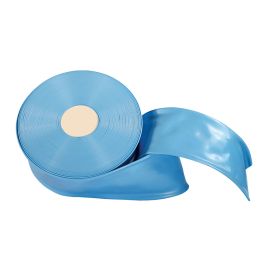 OLYMPICPVC Backwash Hose - 1 1/2" x 50'$15.98
- In stock
- In-store pickup
- Parcel delivery
- Truck delivery
- Add to Wish List
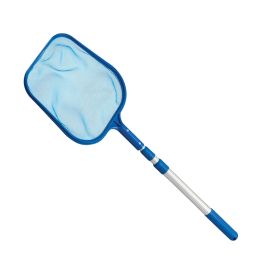 OLYMPICLeaf Skimmer with 3-Section Telepole - 18" to 46"$14.98
- In stock
- In-store pickup
- Truck delivery
- Add to Wish List
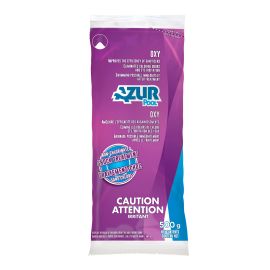 AZUR POOLAzur Oxy pool shock-treatment$6.98
- In stock
- In-store pickup
- Parcel delivery
- Truck delivery
- Add to Wish List
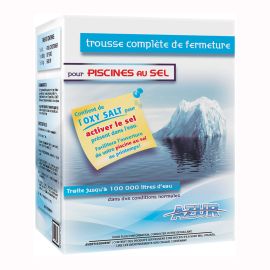 AZUR POOLAzur closing kit of salt water pools$24.97 $29.98
- In stock
- In-store pickup
- Parcel delivery
- Truck delivery
- Add to Wish List
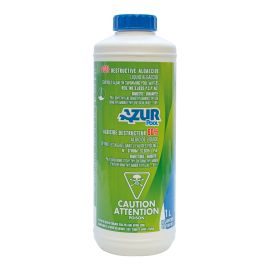 AZUR POOLAzur 60% destructive algaecide 1 l$28.98
- In stock
- In-store pickup
- Parcel delivery
- Truck delivery
- Add to Wish List
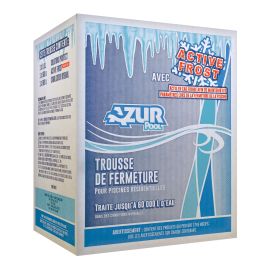 AZUR POOLAzur Swimming Pool Closing Kit$13.57 $16.98
- In stock
- In-store pickup
- Parcel delivery
- Truck delivery
Shop by category
Other articles that might interest you
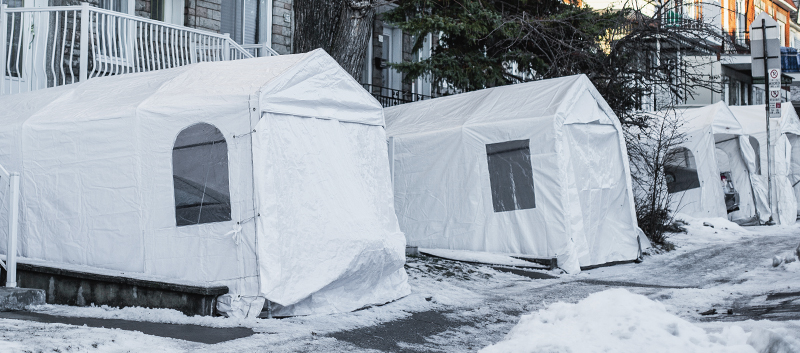
How to install your car shelter
A car shelter can be very useful in winter for keeping the snow and ice off your car in bad weather. But they have to be installed properly, especially with the best anchoring for a car shelter, to make sure that they don’t buckle under heavy snow or get blown away by the wind.
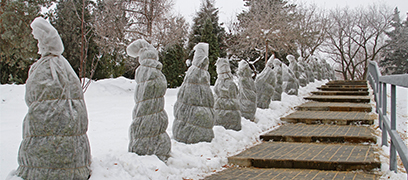
Protecting your plants and lawn before winter
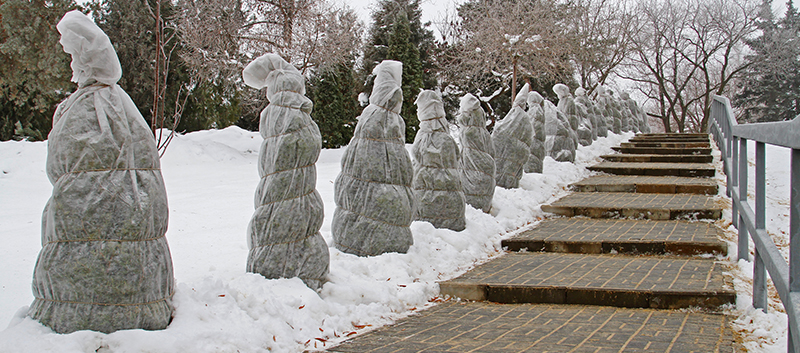
Temperatures are dropping, and fall is just around the corner. That means it’s time to think about protecting your plants from the harsh conditions of winter. But where to begin? Which plants need to be covered for winter? And what about lawns?
Fall lawn care tips
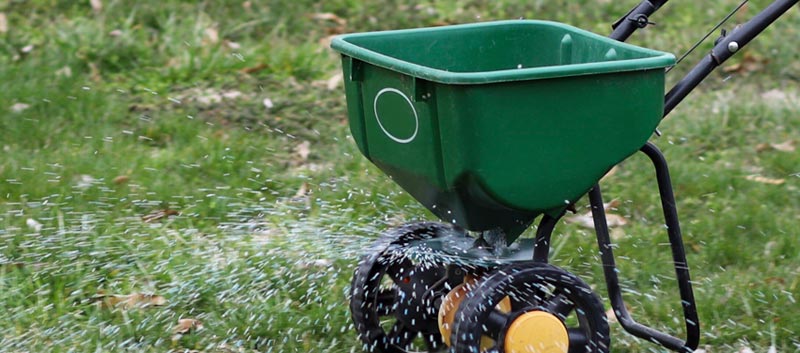
Want to fortify your grass before winter? September is the perfect month to do it! Follow these two steps for a beautiful lawn next spring.