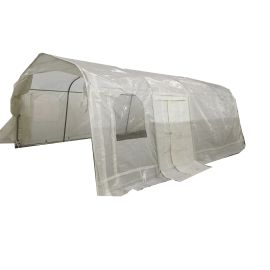
If you don’t have a garage, a car shelter can be very useful in winter for keeping the snow and ice off your car in bad weather. But they have to be installed properly, especially with the best anchoring for a car shelter, to make sure that they don’t buckle under heavy snow or get blown away by the wind.
Steps for installing your car shelter
Ideally, on a day with no wind or precipitation, you will need at least two people to install it.
Then, follow these steps:
1. Choose the location
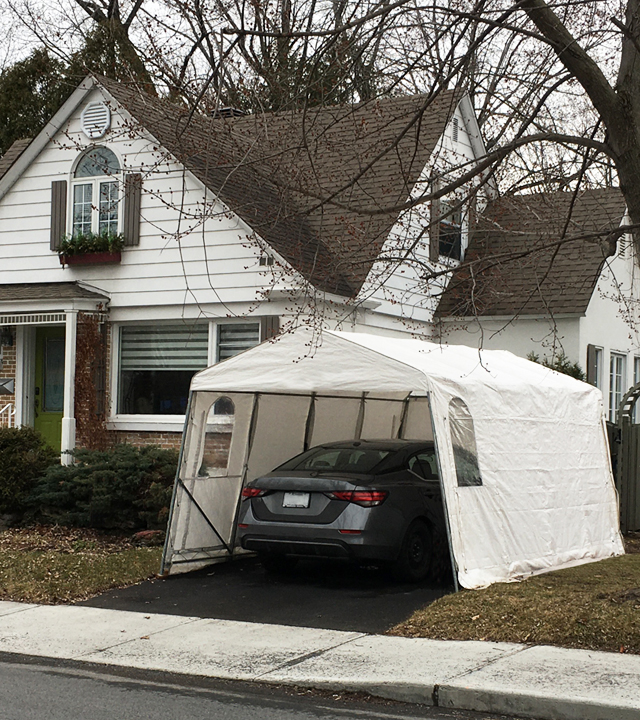
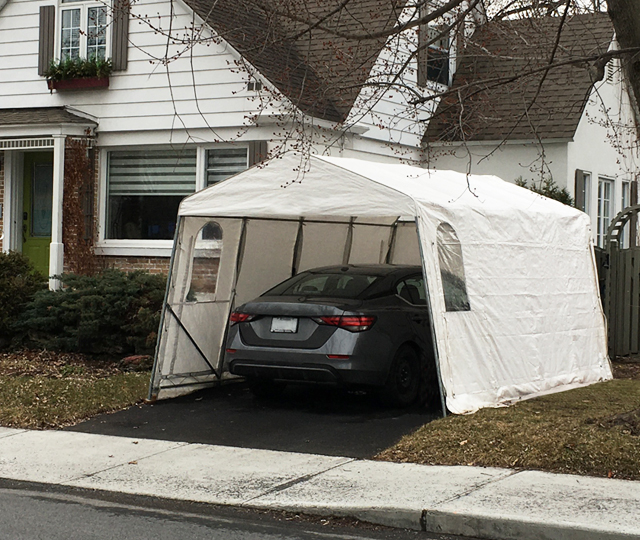
Unless your car shelter is designed to be mounted on a wall, be sure to set it up at least 1.2 metres (4 feet) away from any buildings. This way, any snow that falls off nearby rooftops will not pile up on top of the shelter.
2. Assemble the structure
Insert the metal tubes into each other, bolting them securely so that the frame will be sturdy when upright.
3. Secure the car shelter structure to the ground using anchors
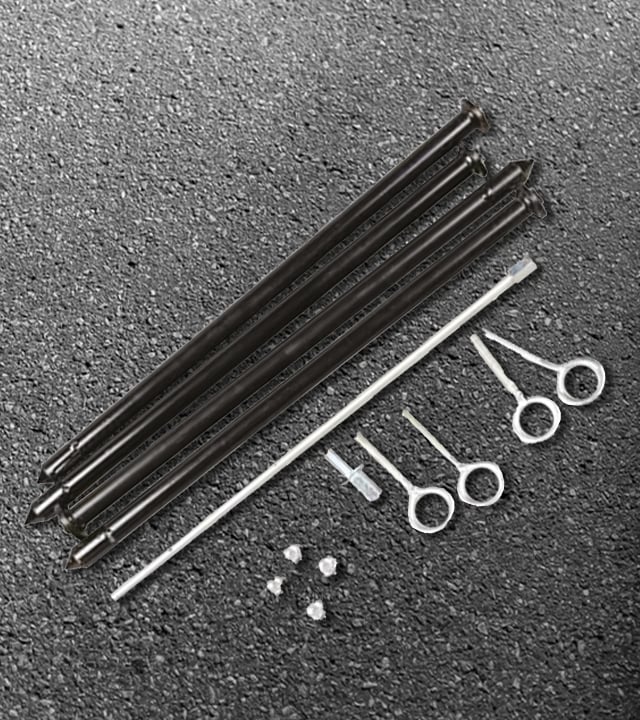
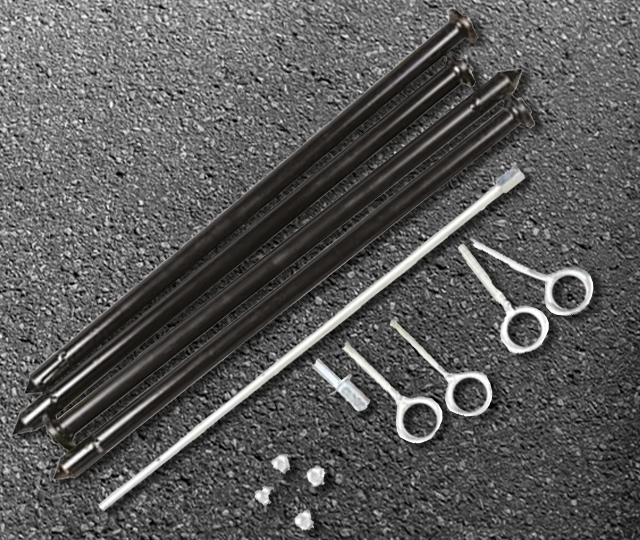
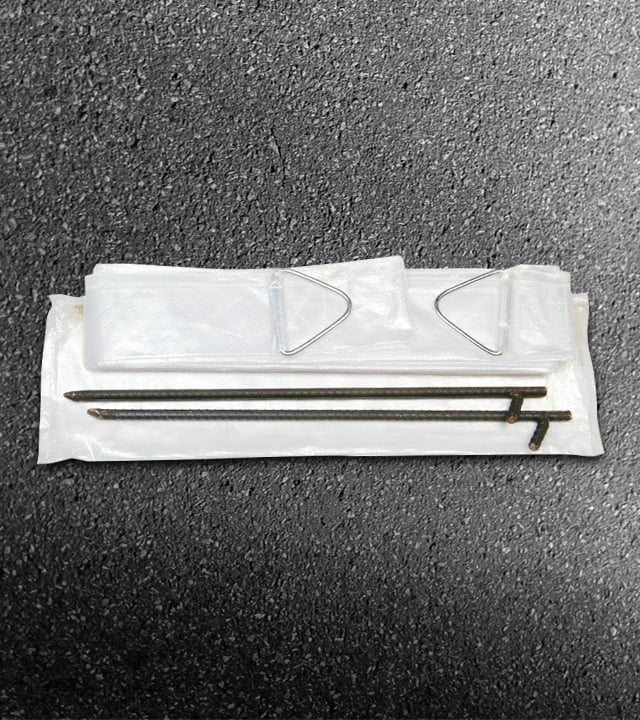
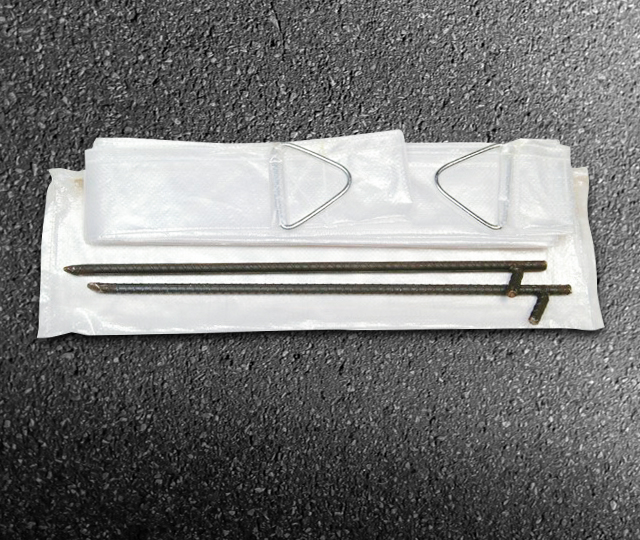
- Temporary anchors: With this type of system, anchor point rings are screwed into rods, which must be driven into concrete, asphalt or pavement.
- Permanent anchors: With this type of system, anchor point rings are screwed into rods, which must be driven into concrete, asphalt or pavement.
The anchors must be placed symmetrically on either side of the shelter, no more than 3 metres (10 feet) apart.
4. Install the fabric
Put the cover over the metal frame. If it has a strap-and-tie system, tie the straps tightly to the frame. Otherwise, secure the cover with a 3/16-inch cord, lacing it through the strip of eyelets to ensure the tension is evenly distributed for a more secure hold.
It is important to get the tension just right—not too tight, but not too loose. Too much tension can cause the cover to tear if it rubs against the metal in the wind, and not enough tension will cause sagging, creating pockets where snow and water can accumulate.
5. Reinforce the stability of the shelter
For an even sturdier shelter, you can use heavy-duty anti-wind straps attached to long metal stakes driven into the ground in each corner. However, do not use ratcheting straps belted around the shelter. These can rub against the cover in high winds, causing premature wear.
It is not safe or recommended to use concrete blocks to anchor your car shelter. If you are worried that your shelter is not secure enough, it is better to use sandbags or water bags around the outer base of the cover, though this is not necessary.
Safety and precautions during installation
Installing a car shelter is not just a matter of assembling the structure and stretching the fabric: safety must be at the heart of every step. To ensure the stability of your car shelter, it is essential to choose suitable anchors, especially permanent anchors if your area is prone to high winds or heavy snowfall. These anchoring systems provide increased structural strength, significantly reducing the risk of displacement, breakage, or collapse under the weight of snow.
Before beginning installation, take the time to assess the nature of the soil and the climatic conditions at your location. A poorly anchored shelter can become dangerous, not only for your vehicle, but also for people and buildings nearby. Permanent anchors, designed to withstand wind pressure and snow load, are recommended for optimal safety.
Also, make sure that each anchor is driven to the recommended depth and that the structure is perfectly straight before attaching the fabric. Be sure to consult the manufacturer's instructions for each type of anchor and use the recommended accessories to reinforce the base of the shelter. Finally, check the stability of your shelter regularly throughout the winter to prevent any risk of breakage or displacement.
When to install your car shelter
It is generally recommended that you install your car shelter after the second week of November, as the preceding weeks are often marked by high winds. If you are going to install your shelter earlier, make sure the frame is very secure.
Some municipal by-laws set specific dates when car shelter installation is allowed ( generally between mid-November and late March, with possible extensions if required due to seasonal conditions). Check with your municipality before installing yours, particularly regarding the distance from the public road.
Some important tips
- Never place pieces of wood, vinyl or any other material between the frame and the cover.
- Periodically check the cover tension, anchors and screws.
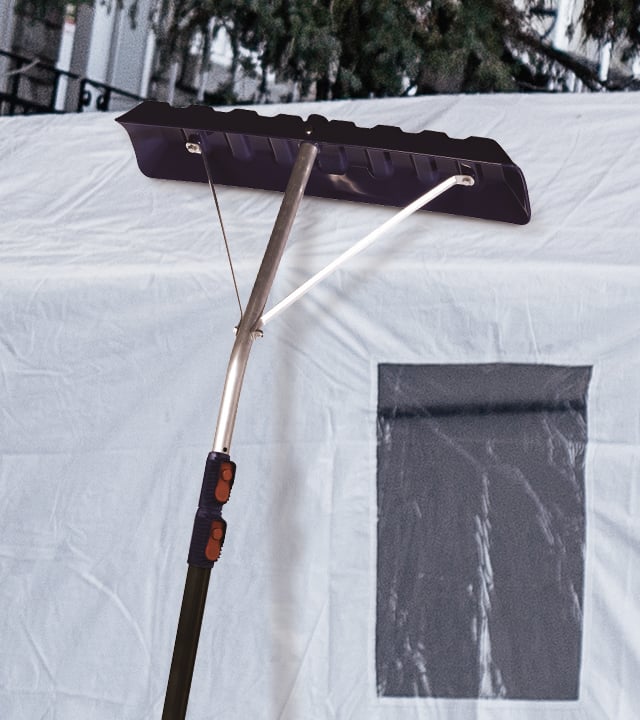
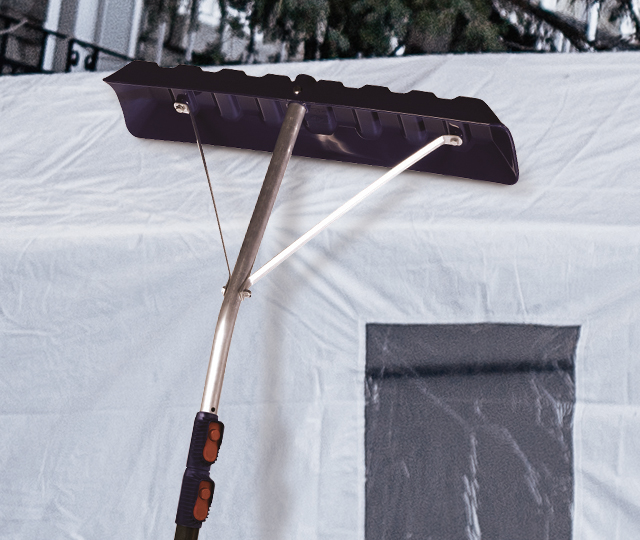
- Never let snow accumulate on the roof of your shelter. Remove it carefully with a snow brush or a cover scrapper. If significant build-up occurs, it is better to remove it a little at a time, on one side and then the other. This prevents the snow from destabilizing the frame.
- Always keep the front and back doors to your shelter either both open or both closed. If only one door is open, the wind can come in and create pressure on the roof. If the anchors are not strong enough, the shelter will blow away.
- Never leave a car running inside the shelter.
- When you dismantle your car shelter for spring, clean it with a mild soap, rinse it and allow it to dry fully before storing it in a dry location.
Shop your car shelter and its accessories or ask expert advice in store.
Frequently asked questions : car shelter installation
Last update: September 2025
Car Shelters and Accessories
- Add to Wish List
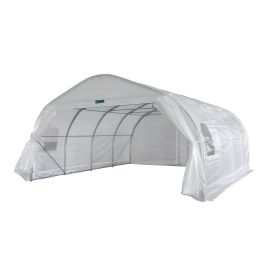 BMRDouble-High Car Shelter - 18' x 20' x 7'10"$849.97 $999.98
- In stock
- In-store pickup
- Truck delivery
- Add to Wish List
 ORIGINALCar Shelter Replacement Cover - Nylon - 10'6" x 20' x 7'$239.98
- Available online
- 7 to 10 day pickup
- Add to Wish List
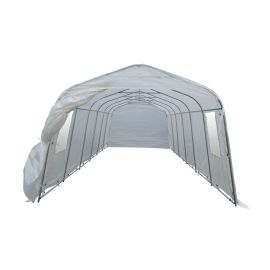 ORIGINALCar Shelter Replacement Cover - Nylon - 11' x 24'$199.98
- Available online
- 7 to 10 day pickup
- Add to Wish List
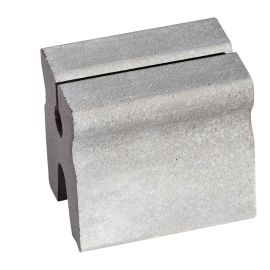 PERMACONAlton Concrete Counterweight Block - 6 3/8" x 8" x 9"$5.98
- In stock
- In-store pickup
- Truck delivery
- Add to Wish List
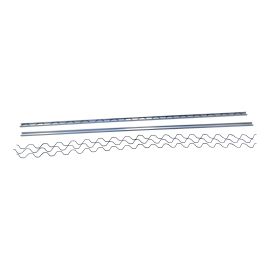 BMRWirelock Car Shelter Attachment - Aluminium Moulding - 6'$18.98
- In stock
- In-store pickup
- Parcel delivery
- Truck delivery
- Add to Wish List
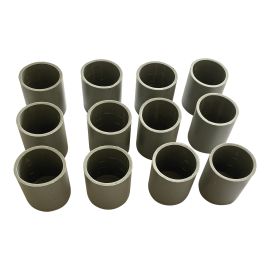 BMRCar Shelter Tube End Caps - 1 1/4" - Plastic - 12/Pkg$7.98
- In stock
- In-store pickup
- Parcel delivery
- Truck delivery
- Add to Wish List
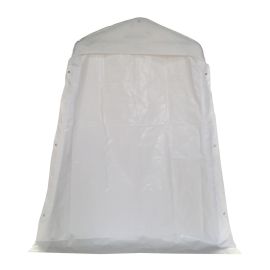 BMRUtility Shelter Replacement Cover - 5' x 8' x 6.5'$89.98
- Available online
- 7 to 10 day pickup
- Parcel delivery
- Add to Wish List
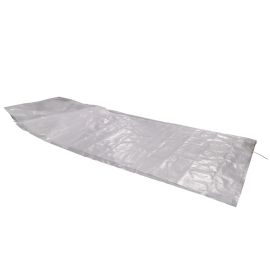 BMRCar Shelter Connection Flap - Polyethylene - 5' x 11'$39.98
- In stock
- In-store pickup
- Truck delivery
- Add to Wish List
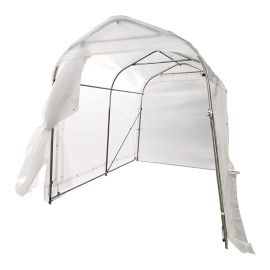 BMRUtility Winter Shelter - 8' x 7'3" x 10'$219.97 $259.98
- In stock
- In-store pickup
- Truck delivery
- Add to Wish List
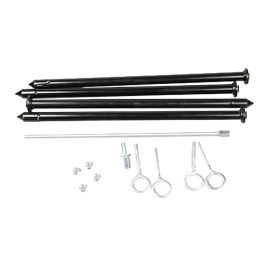 BMRPermanent Ground Anchor Kit - Stainless Steel - 20"$44.97 $49.98
- In stock
- In-store pickup
- Parcel delivery
- Truck delivery
- Add to Wish List
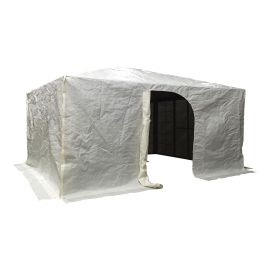 BMRGazebo Winter Cover - Polyethylene - 11' x 11'$124.97 $149.98
- In stock
- In-store pickup
- Parcel delivery
- Truck delivery
- Add to Wish List
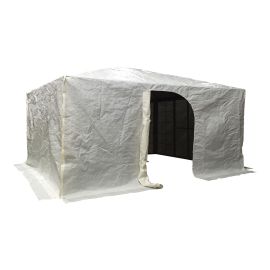 BMRGazebo Winter Cover - Polyethylene - 11' x 13'$144.97 $169.98
- In stock
- In-store pickup
- Truck delivery
- Add to Wish List
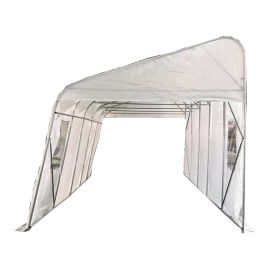 BMRWall-Mount Car Shelter - 10'6" x 20' x 7' - 2 Windows & 2 Doors$589.97 $619.98
- In stock
- In-store pickup
- Truck delivery
- Add to Wish List
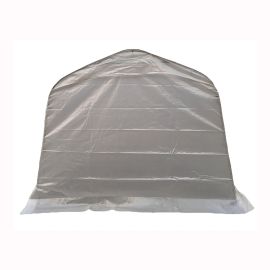 BMRCar Shelter Replacement Door - 11'$49.98
- In stock
- In-store pickup
- Parcel delivery
- Truck delivery
- Add to Wish List
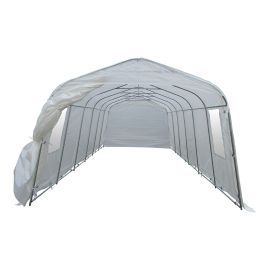 BMRSingle Car Shelter - 11' x 24' x 6'6''- 2 Doors & 2 Windows$469.97 $519.98
- In stock
- In-store pickup
- Truck delivery
- Add to Wish List
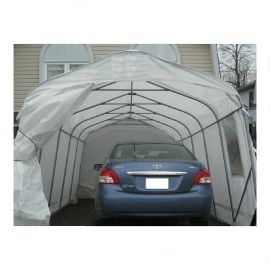 BMRCar Shelter Replacement Cover - Nylon - 11' x 32'$239.98
- In stock
- In-store pickup
- Parcel delivery
- Truck delivery
- Add to Wish List
 BMRCar Shelter Replacement Cover - Nylon - 11' x 20'$189.98
- In stock
- In-store pickup
- Parcel delivery
- Truck delivery
- Add to Wish List
 BMRCar Shelter Replacement Cover - Nylon - 11' x 16'$169.98
- In stock
- In-store pickup
- Parcel delivery
- Truck delivery