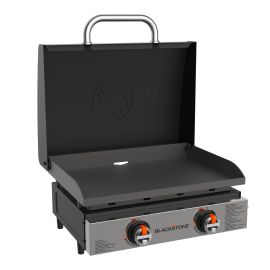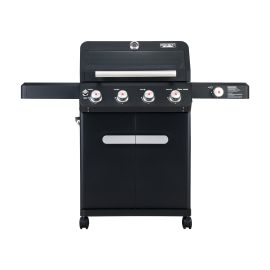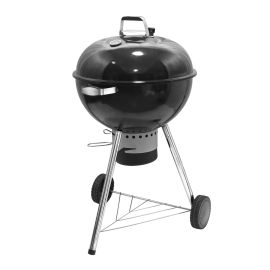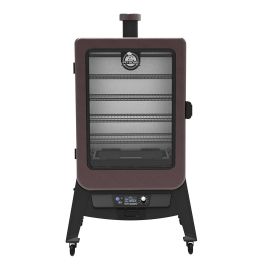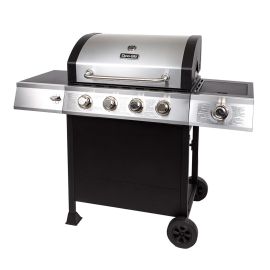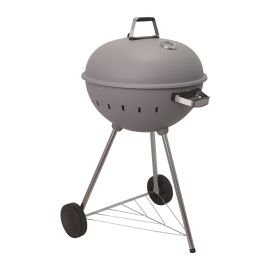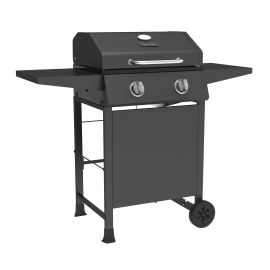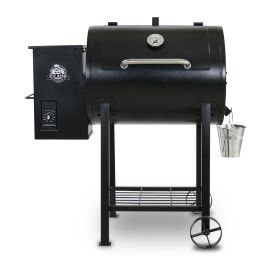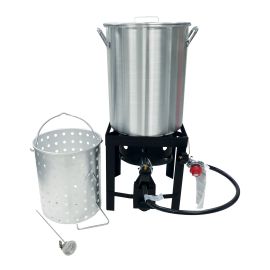
Choosing from the available barbecues mainly depends on the desired type of cooking, the frequency of use, the number of people to feed, and the available space. Between gas, charcoal, pellet barbecues, and smokers, each option presents advantages and constraints.
This buying guide explains how to choose the right barbecue according to your usage, detailing the differences between fuels, the technical criteria to check, and good maintenance practices to ensure a long life for the appliance.
Which type of barbecue to choose based on your needs
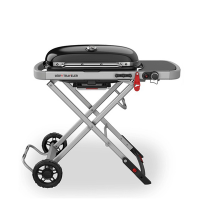
Gas Barbecue
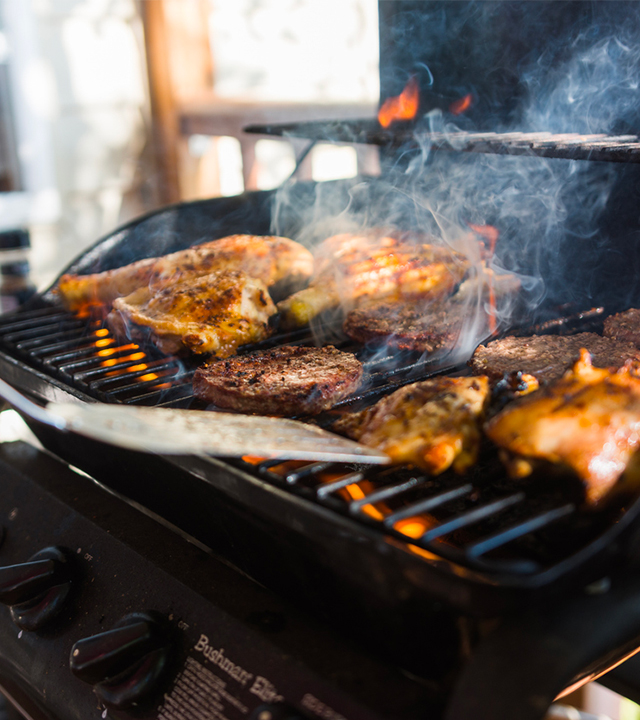
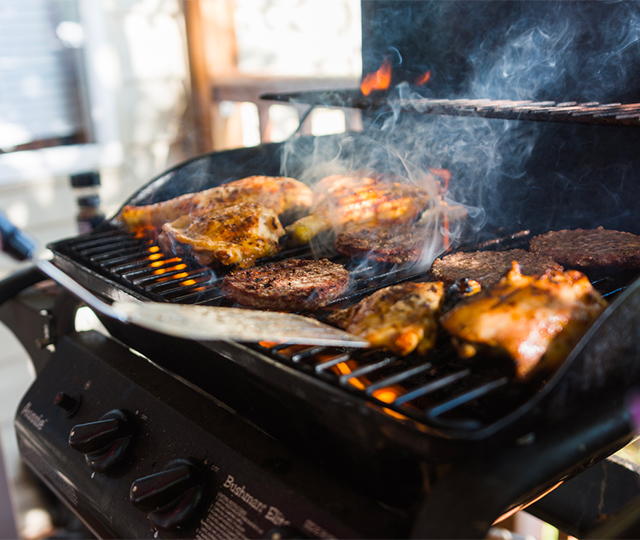
Gas barbecues run on propane or natural gas. They allow for quick lighting and precise temperature control. They are suitable for both direct and indirect cooking and require little preparation before use. The smoky flavour is less pronounced than with charcoal, but cooking consistency is high.
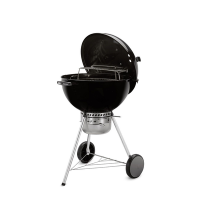
Charcoal Barbecue
Charcoal barbecues use briquettes or natural charcoal as fuel. They are known for providing a distinct smoky flavour and high temperatures for searing. Lighting takes longer, and heat management requires more attention and experience.
Pellet Barbecue
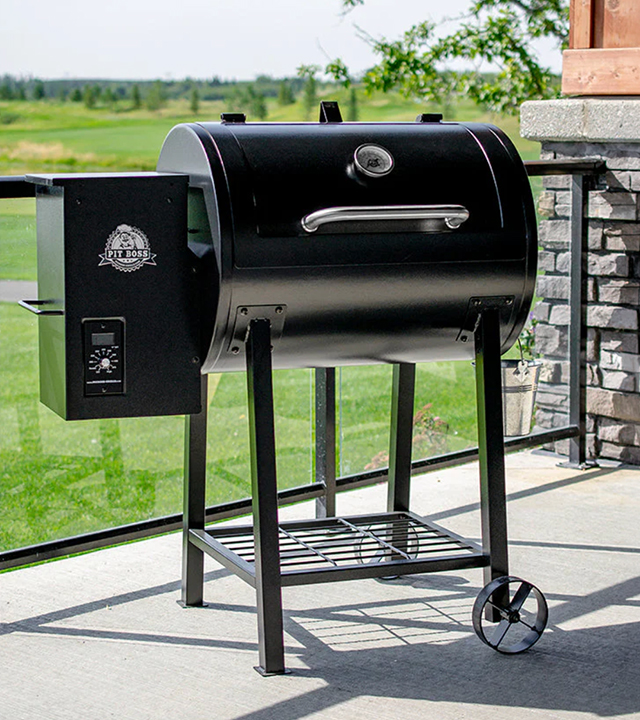
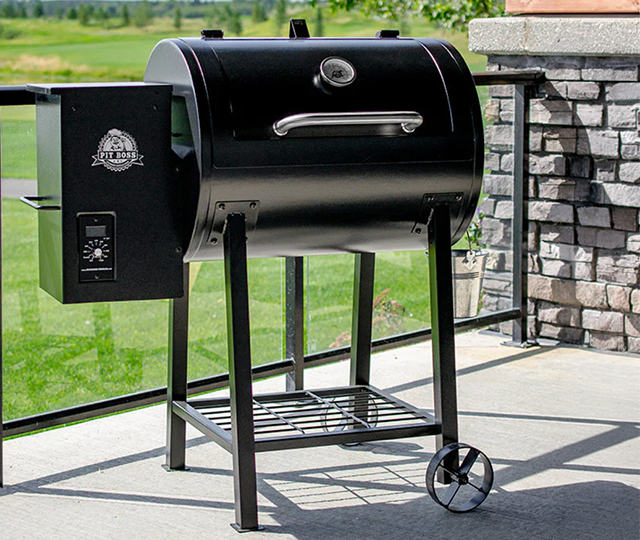
Pellet barbecues use compressed wood pellets fed by a motorized system. They allow for precise and stable cooking, ideal for smoking and slow cooking. The taste varies depending on the type of wood used. This type of barbecue requires an electrical power source.
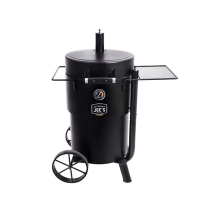
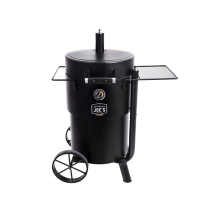
Smoker
Smokers are primarily designed for low-temperature cooking over long periods. They are used to smoke meats, fish, and cheeses. There are electric, propane, charcoal, and pellet smokers. They are less versatile for quick cooking.
| Type | Ignition | Temperature control | Smoke flavor | Versatility | Preparation time |
|---|---|---|---|---|---|
| Gas | Very fast | High | Low to moderate | High | Short |
| Charcoal | Slow | Medium | High | Moderate | Long |
| Pellet | Fast | Very high | Moderate to high | High | Short |
| Smoker | Variable | High | High | Low | Long |
Items to check when buying
Before purchasing, check the elements that directly influence the barbecue's durability and cooking stability.
- Firebox: prioritize a rigid material (steel, enameled cast iron, or stainless steel) with sufficient thickness to prevent deformation under heat.
- Lid: it must close properly to retain heat and ensure even cooking.
- Thermometer: a model built into the lid allows you to monitor the temperature without opening the barbecue.
- Ignition system: must be simple, reliable, and protected from moisture.
Type of grates
Barbecues are equipped with grates made from different materials, which influences heat retention, durability, and maintenance.
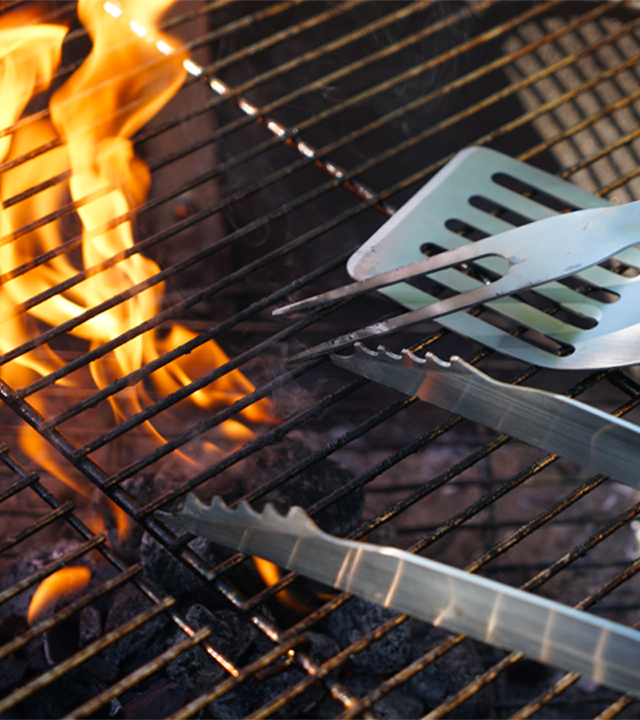
There are metal grates (porcelain-enameled or not), cast iron (enameled or not), and stainless steel, often designed with wide and closely spaced rods to better hold food. Enameled cast iron and stainless steel grates are generally recommended because they resist corrosion better. Stainless steel grates may, however, brown over time without affecting cooking performance.
Uncoated cast iron grates require more maintenance. They must be oiled regularly to prevent oxidation and are cleaned cold, unlike stainless steel grates.
The cooking surface varies by model. It is estimated that approximately 60 sq.in. per person allows food to be cooked without overloading the grate. The type of grates influences barbecue performance based on use.
Burners
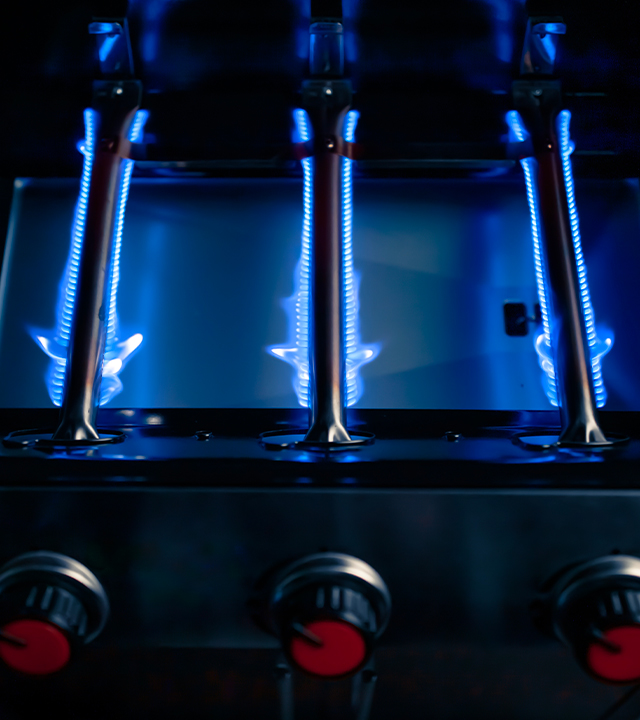
Burners play a central role in heat distribution and cooking quality. For uniform heat, they must cover as much of the firebox as possible.
Most barbecues are equipped with a heat diffuser, whose role is to distribute heat and limit residue buildup. Some models also use protection bars to keep juices and fats away from the burners, thereby reducing the risk of flare-ups, a factor to consider when the barbecue is installed near a building.
It is recommended to choose an appliance offering at least two burner controls, which allows for the creation of different temperature zones. Some models also offer a sear burner to quickly reach a high temperature, a side burner for pot cooking, or a rotisserie system for cooking poultry.
BTU
The power of a gas barbecue is expressed in BTU (British Thermal Unit). However, a high number of BTUs does not guarantee better performance on its own.
Total power often depends on the number of burners. Too many BTUs relative to the cooking surface makes low-heat cooking difficult, while insufficient power slows down the cooking process.
To correctly interpret power, it must be related to the cooking surface. As a guide, the target is approximately 110 BTU per square inch of cooking surface, which achieves a good balance between searing and heat control. Most gas barbecues offer a total power ranging between 24,000 and 60,000 BTU.
Maintenance tips
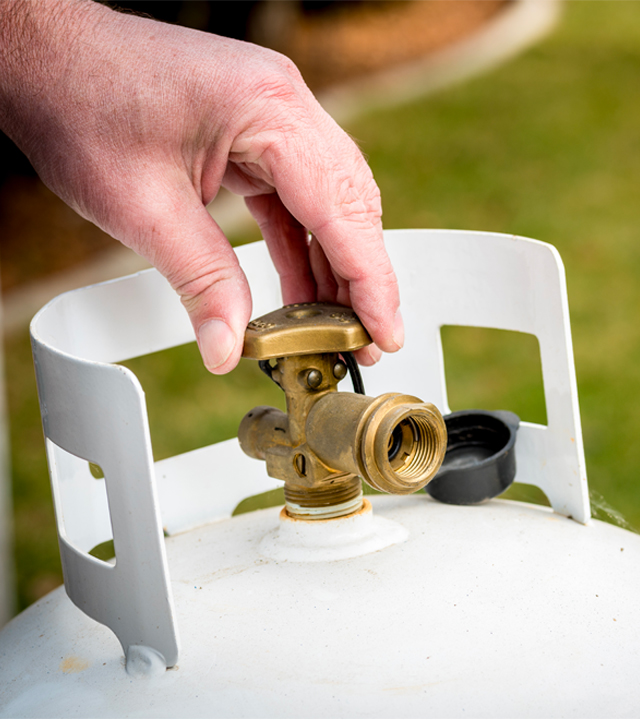
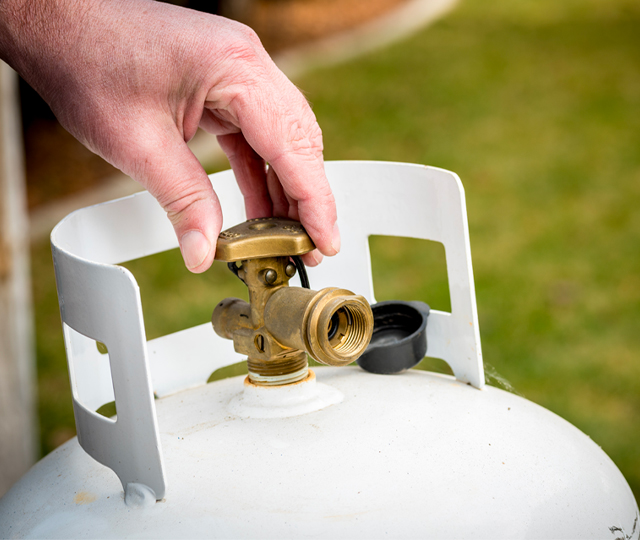
Regular maintenance helps extend the lifespan of the barbecue and maintain safe cooking conditions.
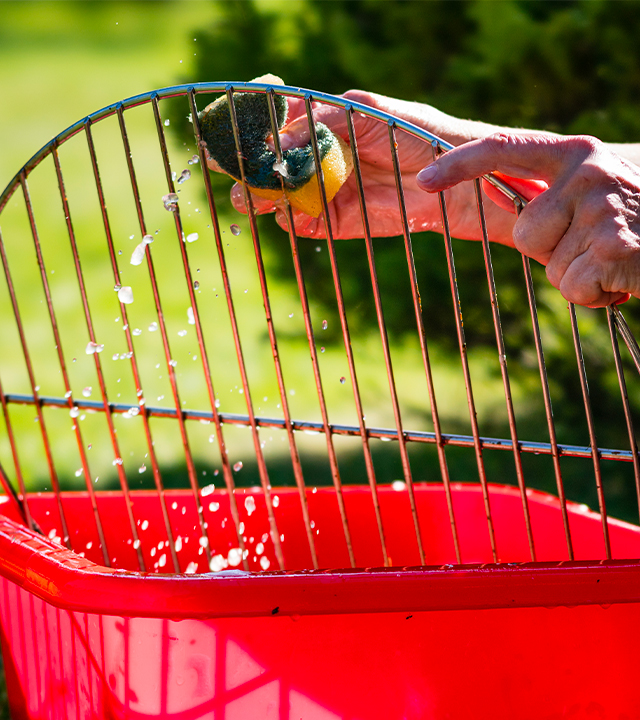
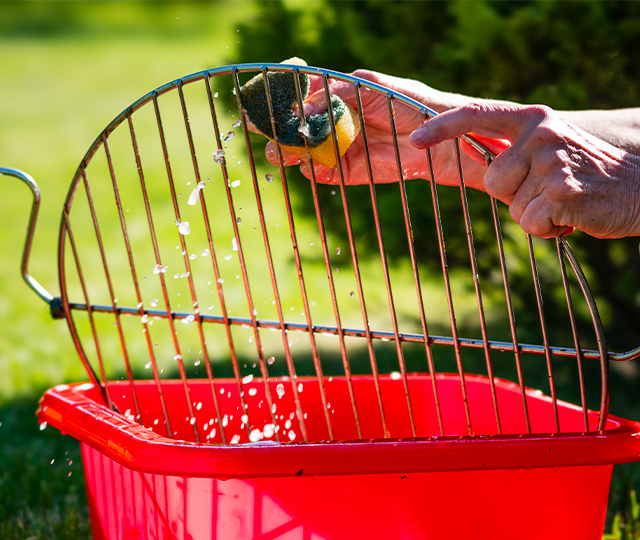
- After each use, clean the grates with a brush to avoid damaging the protective finish.
- Cast iron grates should be oiled regularly to prevent oxidation.
To remove rust from the grates, rub them with linseed oil using a dry cloth. - Black soap can also be used.
- Several times during the season, remove accumulated residue from the firebox and the heat plate, as it can ignite and accelerate burner deterioration.
- If the barbecue is equipped with lava rocks, they should be replaced annually.
- In the fall, cover the barbecue with a protective cover and, if possible, store it in a dry place.
If indoor storage is not possible, remove the burners and take out the grates. Once clean and completely dry, store them in a paper bag inside the house to limit exposure to moisture.
So, ready to buy your barbecue?
Shop our barbecues and accessories online or visit your BMR dealer for more advice.
Common questions: choosing a barbecue
Last updated: March 2026
Popular barbecues
- Add to Wish List
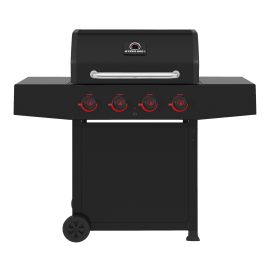 STERLINGSterling Flame 410 Gas Barbecue - 4 Burners - 40,000 BTU$349.98
- In stock
- In-store pickup
- Truck delivery
- Add to Wish List
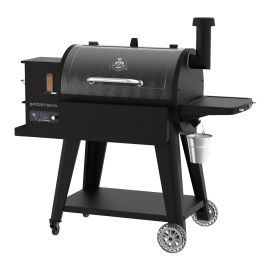 PIT BOSSPit Boss 850 Pellet Grill - Wi-Fi & Bluetooth$999.98
- In stock
- In-store pickup
- Truck delivery
- Add to Wish List
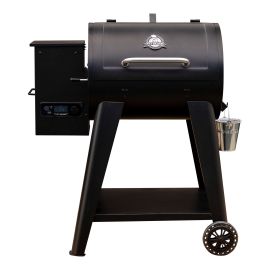 PIT BOSSPit Boss 700FB2 Pellet Grill - Digital Control$699.98
- In stock
- In-store pickup
- Truck delivery
- Add to Wish List
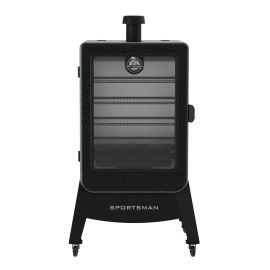 PIT BOSSSportman Vertical Pellet Smoker - Series 5 - Wi-Fi$999.98
- In stock
- In-store pickup
- Truck delivery
- Add to Wish List
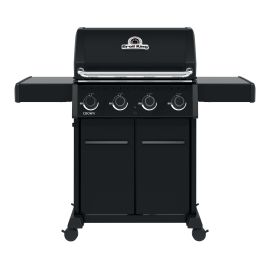 BROIL KINGCrown 420 Shadow Gas Barbecue - 4 Dual-Tube burners - 40,000 BTU$699.98
- In stock
- In-store pickup
- Truck delivery
- Add to Wish List
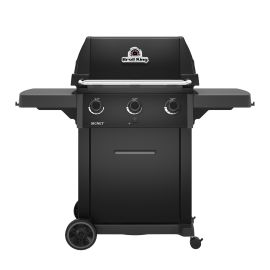 BROIL KING3-Burner Signet 320 Gas Barbecue - 3 Dual-Tube burners - 40,000 BTU$699.98
- In stock
- In-store pickup
- Truck delivery
- Add to Wish List
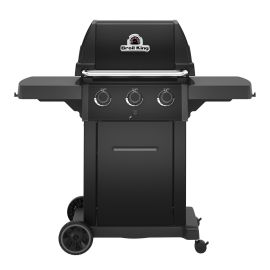 BROIL KINGRoyal 320 Shadow Gas Barbecue - 3 Dual-Tube burners - 30,000 BTU$599.98
- In stock
- In-store pickup
- Truck delivery
- Add to Wish List
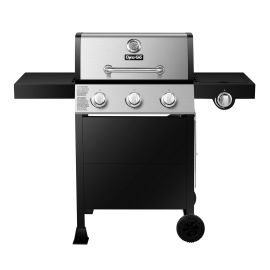 DYNA-GLOPropane Gas Barbecue - 3-Burner - 48,000 BTU$299.98
- In stock
- In-store pickup
- Truck delivery
- Add to Wish List
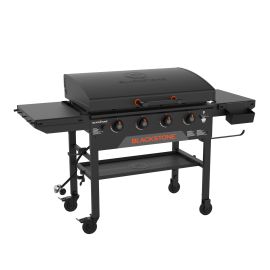 BLACKSTONEGriddle Cooking Station - Omnivore Original - 38 000 BTU - 36"$699.98
- Available online
- 7 to 10 day pickup
- Add to Wish List
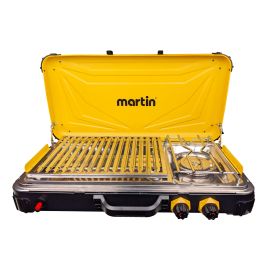 MARTINPropane Stove – MCS-500 - 2 Burners – 33 000 BTU$184.98
- In stock
- In-store pickup
- Parcel delivery
- Truck delivery
- Add to Wish List
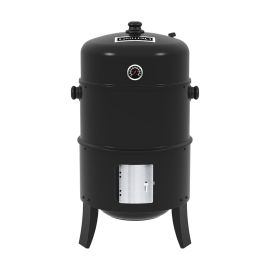 GRILLPROCharcoal Smoker - 16" x 20" - 400 sq. ft.$79.95
- Available online
- 7 to 10 day pickup
- Parcel delivery