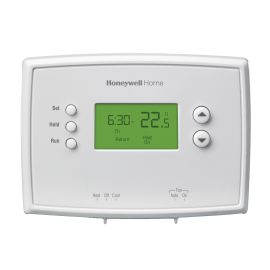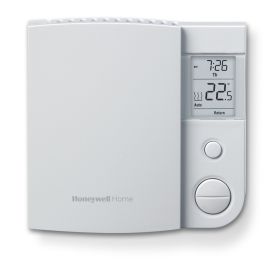
A thermostat is the unit on the wall that controls your heat sources and ensures the temperature is just right for you. Although there are a range of models out there, not all offer the same level of precision and potential for energy savings. This guide will help you see things more clearly and choose the right thermostat for your needs.
Mechanical thermostat
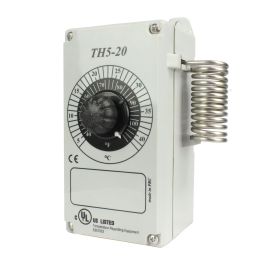
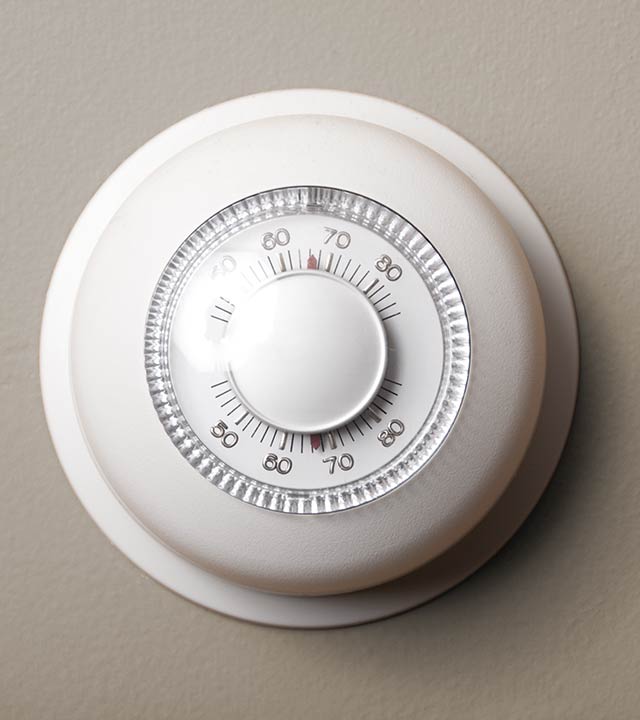
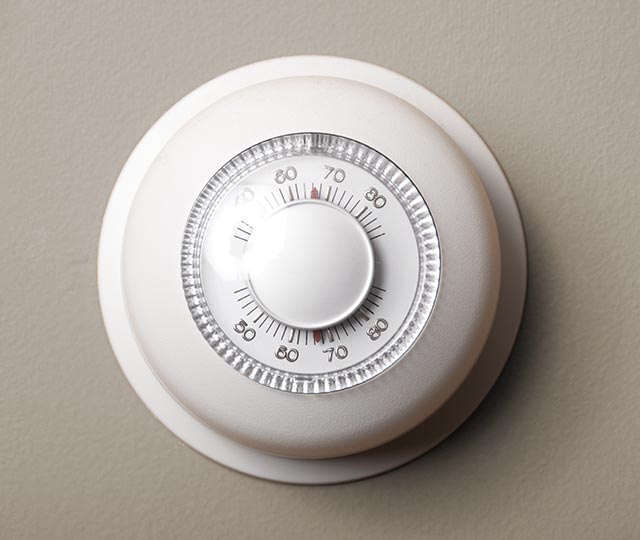
The mechanical thermostat, also known as the bimetallic or “dial” thermostat, has long graced the walls of our homes.
It consists of a control dial and a housing that holds two strips of metal (fixed and mobile) that react when the temperature drops. When their tips make contact, the heating system is activated. Once the desired temperature is reached, the metal strips separate and the system switches off.
Mechanical thermostats are the least expensive on the market, but they are also the least accurate because they are much less sensitive to changes in temperature than electronic thermostats. They also take longer to switch on or off, resulting in variances of 2 to 5˚C between the ambient temperature obtained and the desired temperature, forcing you to adjust it up or down to reach your comfort zone.
However, this type of thermostat can be useful if your heating system is supplied by an unstable power source. In this case, it will prevent the system from overheating.
Electronic thermostat
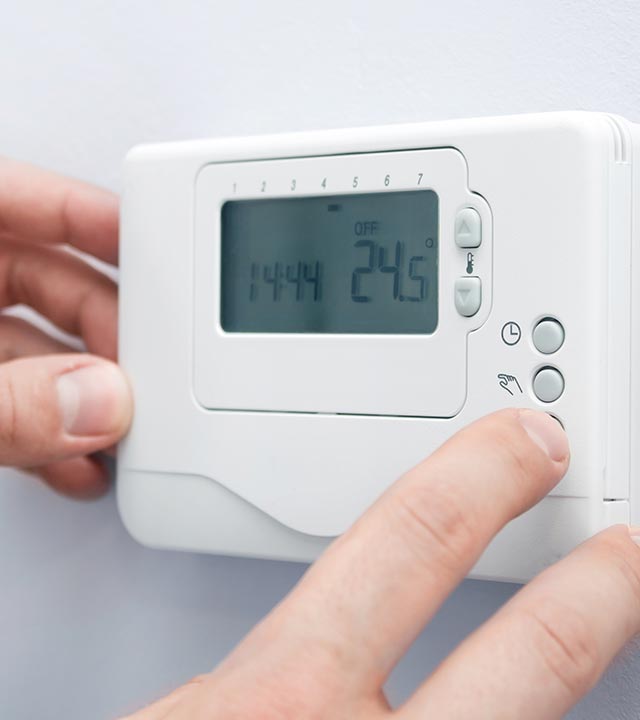
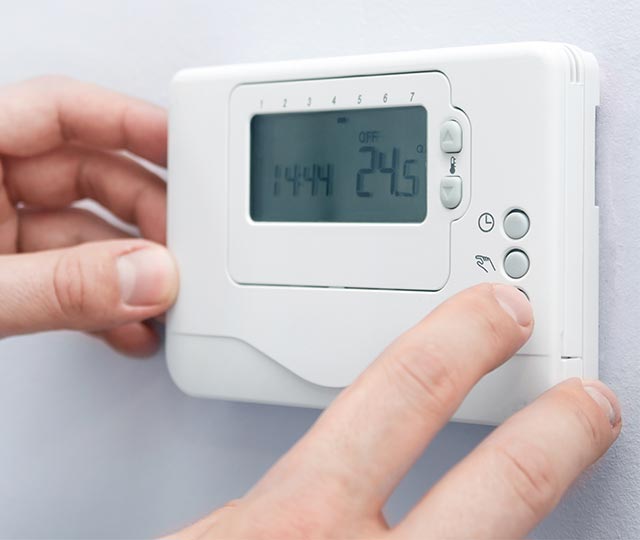
If your home is heated using electricity, heating will make up about 54% of your electricity bill, according to Hydro-Québec. Since an electronic thermostat is more precise than a mechanical model, it can help you save up to 10% on your annual heating costs, while improving your comfort by providing a much more stable and precise temperature, with a maximum variance of 0.5°C. There are two types of electronic thermostats: non-programmable and programmable.
Non-programmable electronic thermostats use a pulse-based controller and take a temperature reading every 15 seconds, providing a stable and comfortable ambient temperature. If you have a heat pump, the thermostat can be installed inside or outside.
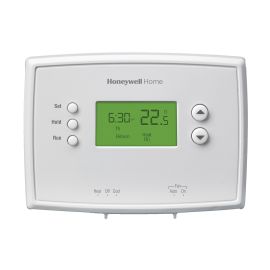
Programmable electronic thermostats allow you to set the temperature in each room or the entire house with a timer set on a predetermined schedule. This type of thermostat further reduces heating costs (up to 5%) if the ambient temperature is lowered by 3°C for eight hours, e.g. during the night.
Some models allow you to set one temperature for the week (Monday to Friday) and another for the weekend.
Smart thermostats
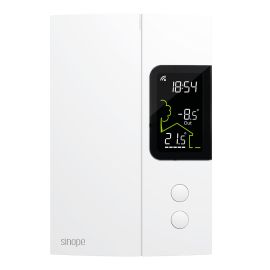
While most smart thermostats are designed for forced-air central heating systems and heat pumps, some recent models have been developed specifically for electric baseboard heaters and convectors.
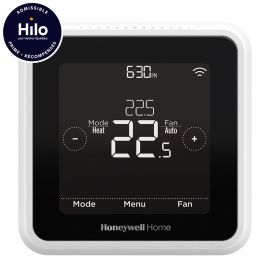
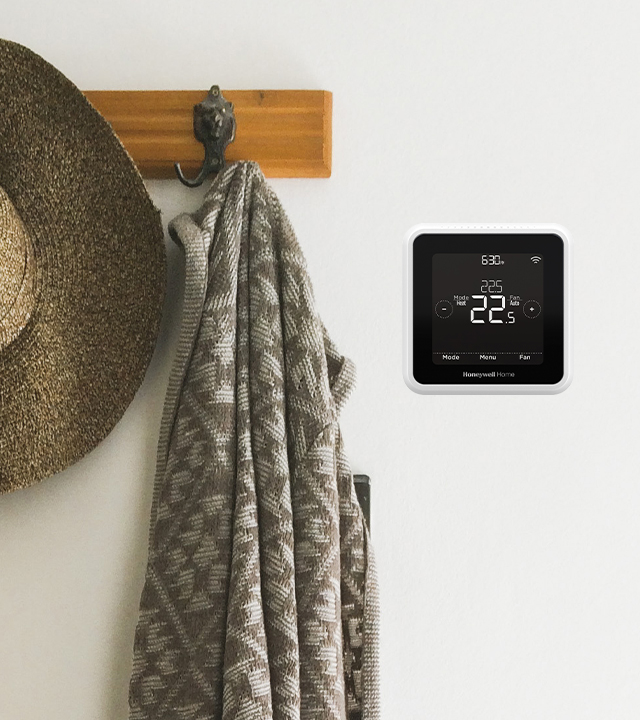
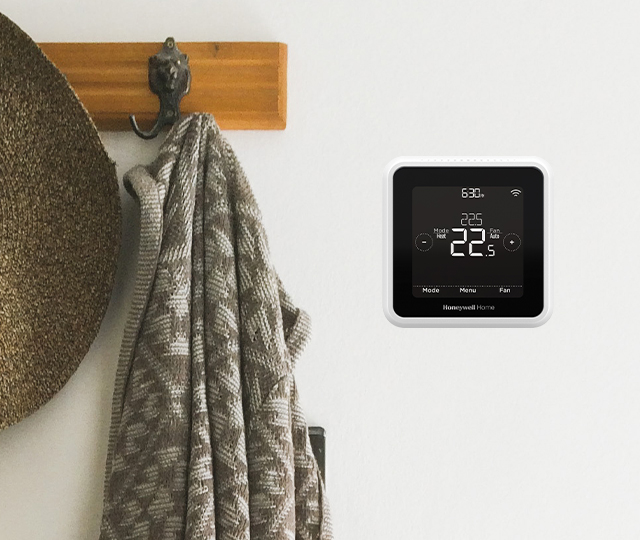
The smart thermostat controls the heating system, air conditioner, and humidifier and changes the heating and air conditioning levels as the weather changes. You can change the ambient temperature of your home remotely through connected devices such as a computer, smartphone or tablet. It is even possible to automatically adjust the temperature using your phone’s geolocation, so that the temperature will be just right when you arrive home.
Of course, a device such as the T5 Smart Thermostat helps to significantly reduce your energy consumption.
However, you can expect to pay nearly four times the price of an electronic model and the complexity of its installation will require the help of a heating technician.
Determine the correct wattage
If you heat with electric baseboards, choosing the right thermostat wattage is essential for safe and efficient heating. The rule is simple: the thermostat must support the total wattage of all the baseboards it controls.
For example, if you have two 1000 W baseboards, the total load is 2000 W. You should therefore choose a thermostat with a minimum capacity of 2000 W. For added peace of mind, you can opt for a 3000 W or 4000 W model at 240 V, which provides a good safety margin.
A properly rated thermostat performs better, lasts longer, and reduces electrical risks.
To determine the wattage needed for an electric baseboard, you should measure the heating unit or bring your old thermostat to the store to get the right advice.
5 Reasons to replace your thermostat
-
Reduce your electricity bill
A smart or programmable thermostat allows you to automatically adjust your home’s temperature. It adapts to your habits and schedule for example, when no one is home, the thermostat can be set to lower the heat.
-
Improve your home comfort
Modern thermostats are much more precise. They keep the temperature stable without sudden changes, avoiding overheating or cold drafts in your home.
-
Control your thermostat remotely with Wi-Fi
Smart thermostats let you adjust the temperature remotely using your smartphone. If you're away and want to change the settings, it's now possible, perfect when winter hits hard and you want a warm home when you arrive. -
Make your home more energy efficient
By better managing your consumption, you reduce waste. An efficient thermostat helps you stay comfortable while supporting greener energy use.
-
Live safely
Older models with mercury or manual dials are often unreliable or even unsafe. Upgrading to a newer thermostat ensures better safety and compliance with modern standards.
Want to learn more about the appliances that can heat your home? Check out our article on electric heating systems or the one on wood stoves.
Frequently asked questions: Choosing a thermostat
Last update: November 2025
Shop thermostats
- Add to Wish List
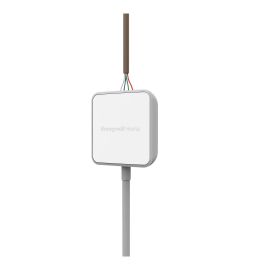 HONEYWELLC-Wire Power Adapter, Smart Thermostat Accessory$49.98
- In stock
- In-store pickup
- Parcel delivery
- Truck delivery
- Add to Wish List
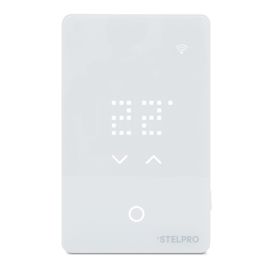 STELPROConcerto Wi-Fi Thermostat for Floor Heating, 3600W$324.98
- In stock
- In-store pickup
- Parcel delivery
- Truck delivery
- Add to Wish List
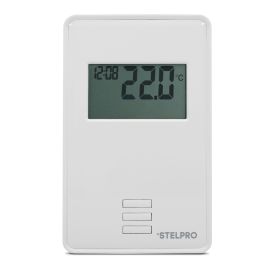 STELPROConcerto Basic Floor Heating Electronic Thermostat, 3600W$189.98
- In stock
- In-store pickup
- Parcel delivery
- Truck delivery
- Add to Wish List
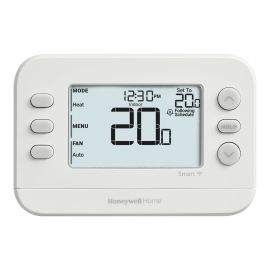 HONEYWELLIndoor Thermostat – Flex – 2H/1C$129.98
- In stock
- In-store pickup
- Parcel delivery
- Truck delivery
- Add to Wish List
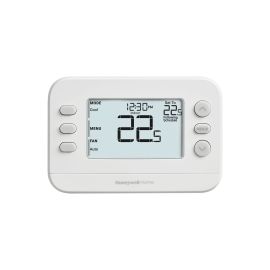 HONEYWELLProgrammable Thermostat – Flex – White - 24 V$69.98
- In stock
- In-store pickup
- Parcel delivery
- Truck delivery
- Add to Wish List
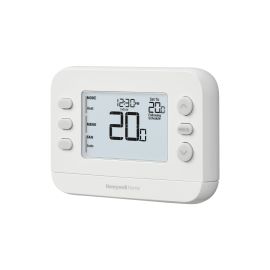 HONEYWELLProgrammable Thermostat – 5-2 Days – 24 V$59.98
- In stock
- In-store pickup
- Parcel delivery
- Truck delivery
- Add to Wish List
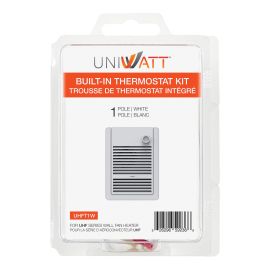 UNIWATTB/In Thermostat Kit For UHF Fan Heater - 1 Pole - White - 120 V - 347 V$32.98
- In stock
- In-store pickup
- Truck delivery
- Add to Wish List
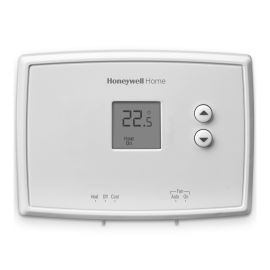 HONEYWELLHoneywell Home Non Programmable Thermostat - 24 V$29.98
- In stock
- In-store pickup
- Parcel delivery
- Truck delivery
- Add to Wish List
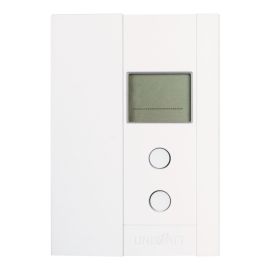 STELPRONON-PROGRAMMABLE THERMOSTAT - 2,000 W$32.98
- In stock
- In-store pickup
- Parcel delivery
- Truck delivery
- Add to Wish List
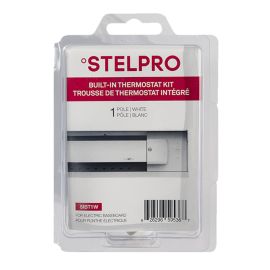 STELPROBuilt-in Thermostat - 120-600 V$36.98
- In stock
- In-store pickup
- Parcel delivery
- Truck delivery
- Add to Wish List
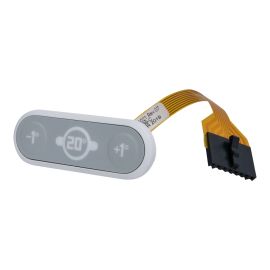 STELPROElectronic thermostat 1P buit-in$79.98
- In stock
- In-store pickup
- Parcel delivery
- Truck delivery
- Add to Wish List
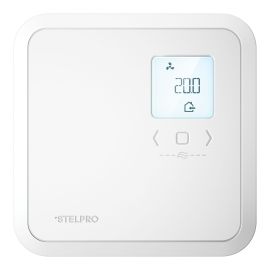 STELPROProgrammable electronic thermostat$62.98
- In stock
- In-store pickup
- Parcel delivery
- Truck delivery
- Add to Wish List
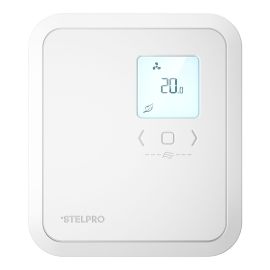 STELPRONon - Programmable Electronic Thermostat - 4000 W$49.98
- In stock
- In-store pickup
- Parcel delivery
- Truck delivery
- Add to Wish List
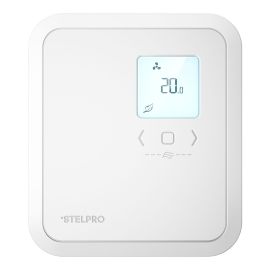 STELPRONon - Programmable Electronic Thermostat - 2500 W$43.98
- In stock
- In-store pickup
- Parcel delivery
- Truck delivery