Every year, many people venture into seedlings to fill their vegetable gardens at a lower cost. Producing your own seedlings is both a motivating and rewarding activity, provided you master the right techniques. Here are the main errors to avoid getting your little sprouts off to a good start indoors.
Mistake 1: Not Choosing the Right Soil Mix
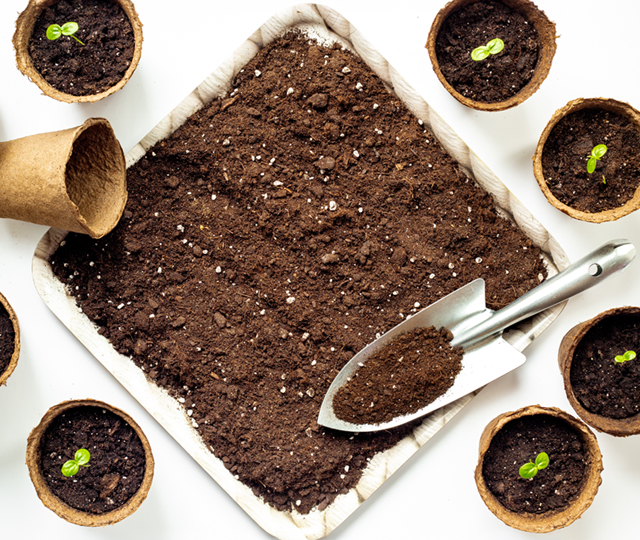
A good seed starting begins with a good soil mix. To avoid root rot, it is essential to use a soil mix specifically designed for seed germination. These specialized mixes ensure good drainage, thus preventing seeds from rotting before they even germinate.
Mistake 2: Choosing the Wrong Seeds
Not all seeds are suitable for indoor seeding. Some varieties, like carrots, radishes, and beans, are best sown directly outdoors after the last frost, as they don't transplant well. Starting these seeds indoors won't save you time; in fact, it could result in weak, leggy seedlings.
Instead, prioritize varieties that benefit from an early start, such as tomatoes, peppers, or basil. Carefully read the instructions on the seed packets and choose seeds that are well-suited to your climate and indoor growing conditions.
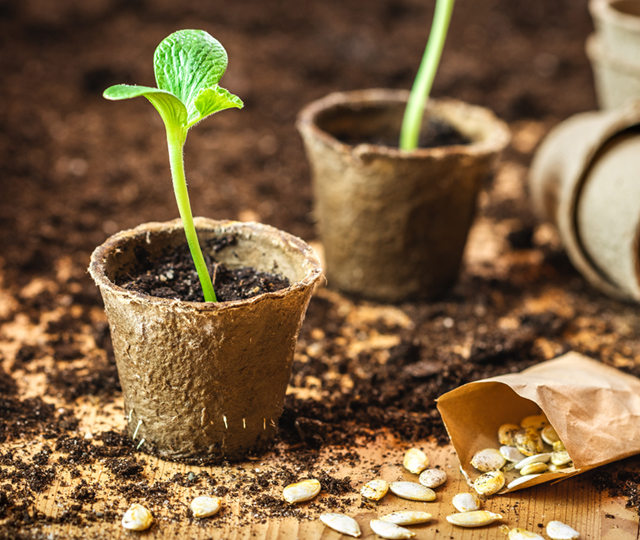
Mistake 3: Seeding too early
Starting seeds too early won't give you a head start in the garden. As the days pass, the growing seedlings risk running out of space and light, which will make them weak and difficult to transplant into the garden. For robust plants, be patient and follow the recommended sowing periods on the seed packets.
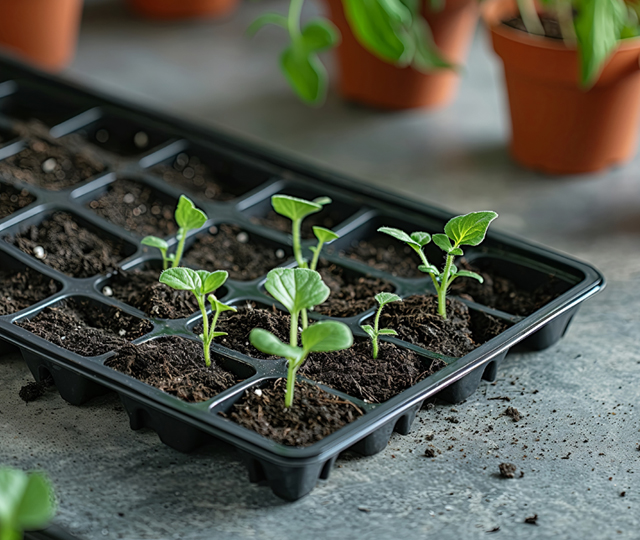
Mistake 4: Overwatering
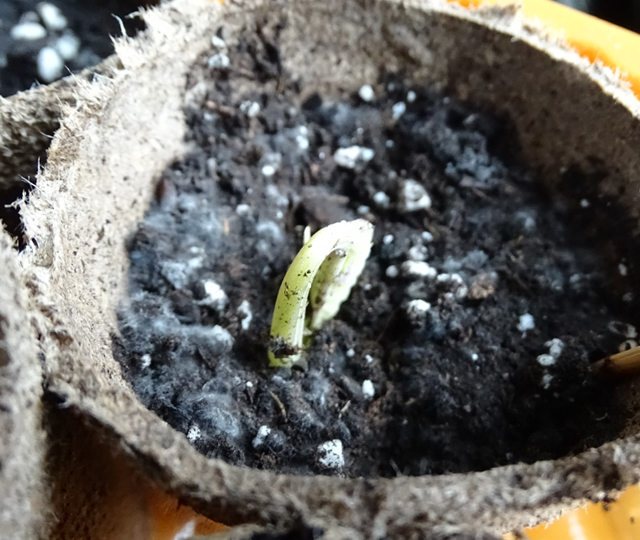
Watering is essential for sprouting, but too much can be fatal for your seedlings. You need to find a good balance between a well-hydrated soil mix and a waterlogged one. Overwatering can lead to the formation of mold and seed rot. Make sure to keep the soil mix slightly moist but not soggy. If necessary, remove the dome and wipe the inside to prevent stagnant moisture.
Mistake 5: Not Providing Adequate Light
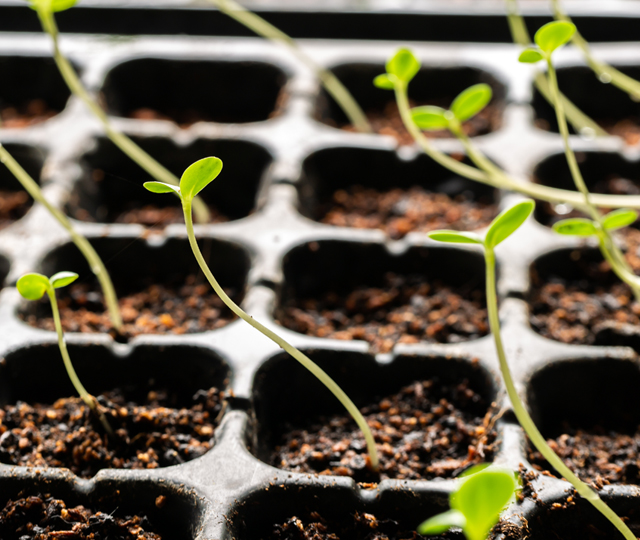
For successful seedlings, good light exposure is essential. Ideally, place them near an east- or south-facing window. In the absence of adequate light, sprouting will be slower and the seedlings will become thin and fragile, stretching towards the light (they are said to become "leggy"). To avoid this phenomenon, you can add a backup light source that will extend the lighting period and promote more vigorous growth.
Mistake 6: Neglecting to Harden Off Seedlings
Before transplanting your young seedlings into the garden, it is essential to gradually acclimate them. Hardening off involves gradually exposing the new plants to outdoor conditions such as wind, sun, and cold. This transition helps to avoid shock due to the change in growing environment. On a shady day, start by taking your plants outdoors for a few hours and gradually increase the exposure time each day. After a few days of adaptation, your plants will be ready for a risk-free transplant.
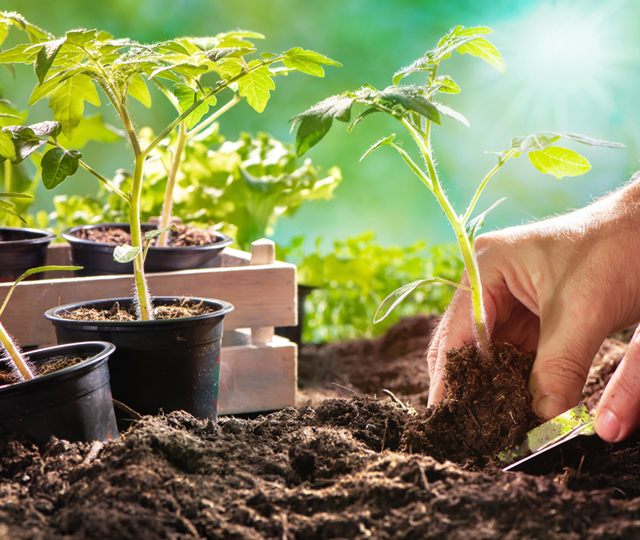
With these tips, you'll have everything you need to successfully start your seeds. And if it doesn't work the first time... just put in some more seeds and try again!
For more advice, check out our article on preparing indoor seedlings. Visit a BMR near you to get all the necessary equipment to start your seed production.
Popular choices
- Add to Wish List
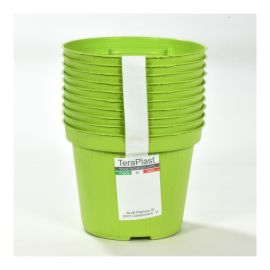 VASERIE P.L.P.Plastic Production Pot for Seedling - Green - 3.9" - 10/Pkg$4.98
- In stock
- In-store pickup
- Parcel delivery
- Add to Wish List
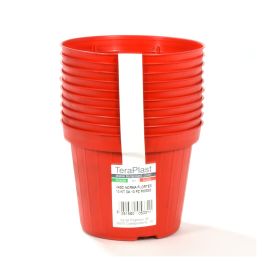 VASERIE P.L.P.Plastic Production Pot for Seedling - Red - 4" - 10/Pkg$4.98
- Available online
- Parcel delivery
- Add to Wish List
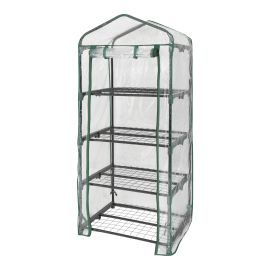 BOTAFLORAMini-Greenhouse – 4-Tier - Green - 23,6" x 17,7" x 57"$29.98
- In stock
- In-store pickup
- Truck delivery
- Add to Wish List
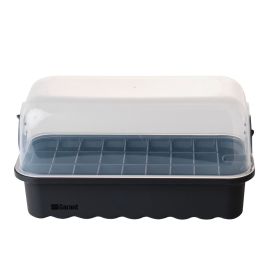 GARANTSeed Tray With Dome – Grey - 26 Cells$19.98
- Available online
- 7 to 10 day pickup
- Parcel delivery
- Add to Wish List
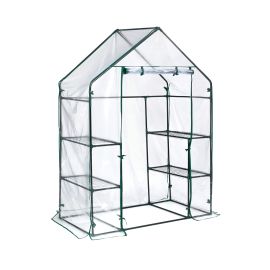 SHELTERLOGICGrow IT Small Greenhouse - 4'8" x 29" x 6'5"$64.95 $79.98
- In stock
- In-store pickup
- Truck delivery
- Add to Wish List
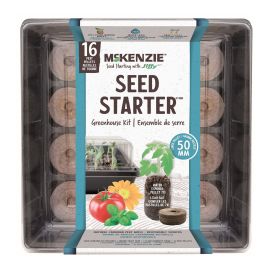 JIFFYJiffy Greenhouse Kit for Tomatoes and Vegetables - 18 Pieces$8.98
- In stock
- In-store pickup
- Parcel delivery
- Truck delivery
- Add to Wish List
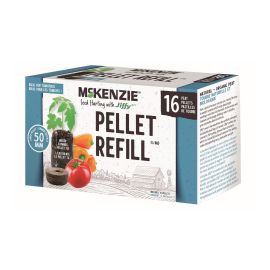 JIFFYJiffy Peat Pellets - Large - 50 mm - 16/Pkg$8.48
- In stock
- In-store pickup
- Parcel delivery
- Truck delivery
- Add to Wish List
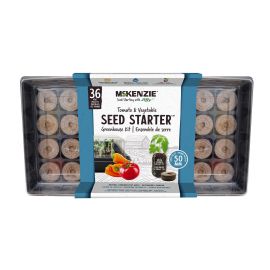 JIFFYJiffy Greenhouse Kit for Tomatoes and Vegetables - 38 Pieces$15.98
- In stock
- In-store pickup
- Parcel delivery
- Truck delivery
- Add to Wish List
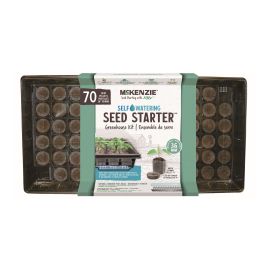 JIFFYJiffy Self-Watering Greenhouse Kit - 73 Pieces$15.95 $23.98
- In stock
- In-store pickup
- Parcel delivery
- Truck delivery
- Add to Wish List
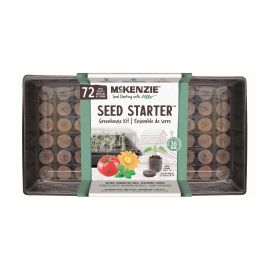 JIFFYJiffy Greenhouse Kit - 74 Pieces$15.98
- In stock
- In-store pickup
- Parcel delivery
- Truck delivery
- Add to Wish List
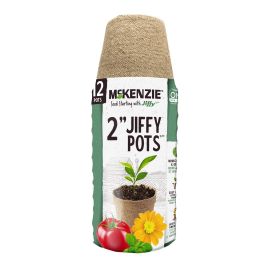 JIFFYJiffy Seeding Pots - 2" - 12/Pkg$3.48
- In stock
- In-store pickup
- Parcel delivery
- Truck delivery
- Add to Wish List
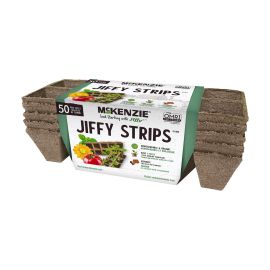 JIFFYJiffy Set of 5 Strips of 10 Peat Pots$4.98
- In stock
- In-store pickup
- Parcel delivery
- Truck delivery
- Add to Wish List
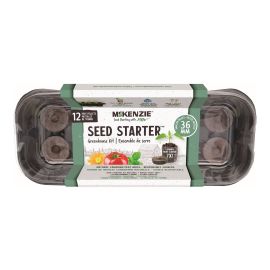 JIFFYJiffy Greenhouse Kit - 14 Pieces$3.98
- In stock
- In-store pickup
- Parcel delivery
- Truck delivery
- Add to Wish List
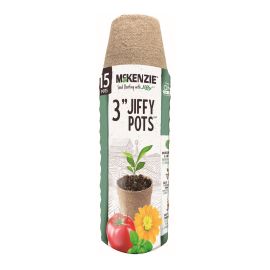 JIFFYJiffy Seeding Pots - 3" - 15/Pkg$5.98
- In stock
- In-store pickup
- Parcel delivery
- Truck delivery
- Add to Wish List
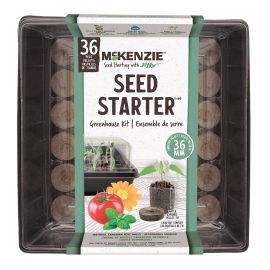 JIFFYJiffy Greenhouse Kit with 36 Peat Pellets$6.95 $9.48
- In stock
- In-store pickup
- Parcel delivery
- Truck delivery
- Add to Wish List
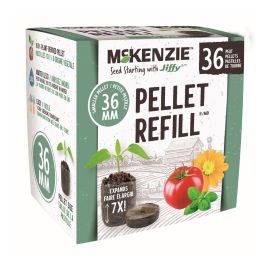 JIFFYJiffy Peat Pellets - Small - 36 mm - 36/Pkg$6.98
- In stock
- In-store pickup
- Parcel delivery
- Truck delivery
- Add to Wish List
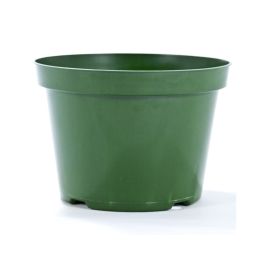 VASERIE P.L.P.Plastic Production Pot for Seedling - 10" - Green$4.98
- In stock
- In-store pickup
- Parcel delivery
- Truck delivery