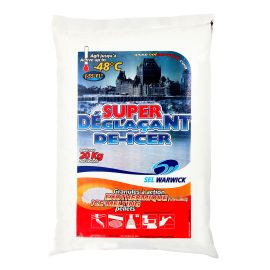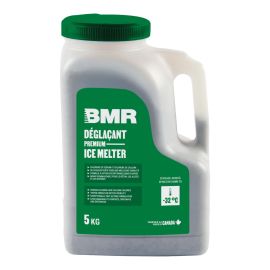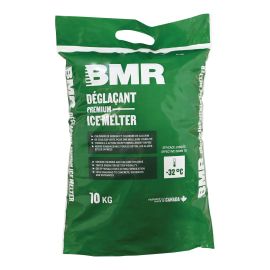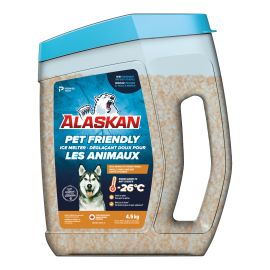
Every winter, when freezing rain sets in, driveways and surfaces around the home can quickly turn into skating rinks. While this weather phenomenon cannot be completely prevented, various products can help make your outdoor spaces safer. Learn how to choose the right de-icer for the surface you need to treat.
Ice control products for surfaces around your home
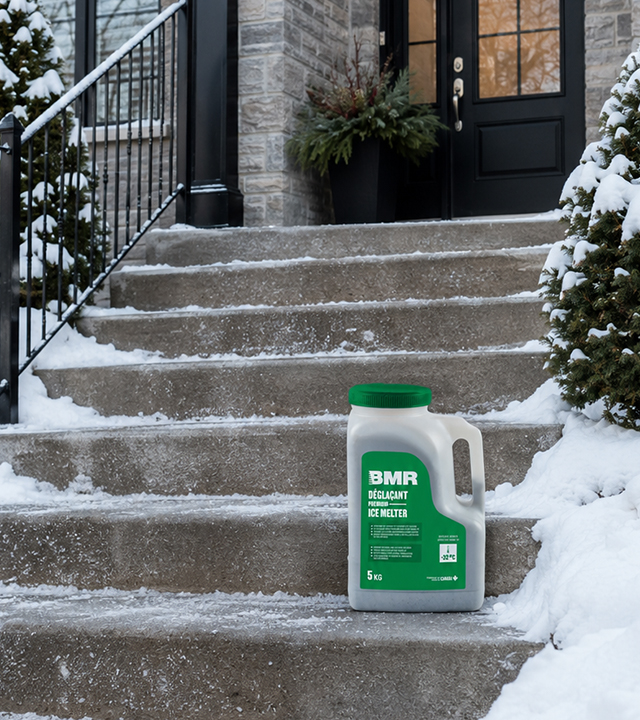
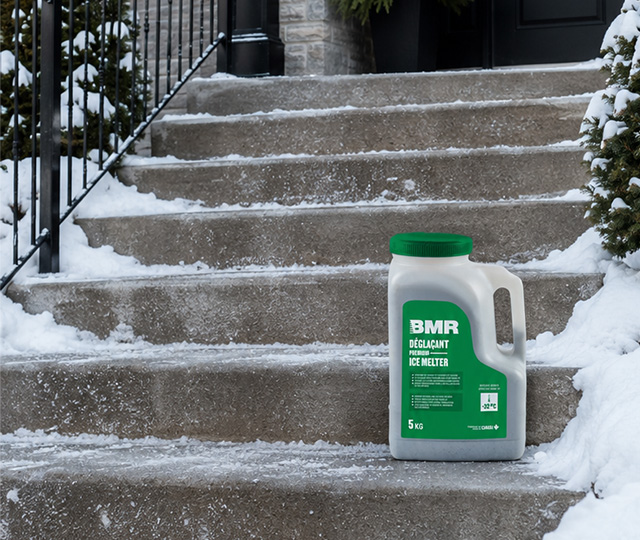
To help prevent slips and falls, it's important to treat high-risk areas such as steps, stairways, driveways, walkways, and sidewalks as soon as possible. Prevention is often your best defense, as icy surfaces can lead to falls and unnecessary delays.
Several types of products can be used to treat surfaces around your home. The right choice depends on the type of surface you need to protect:
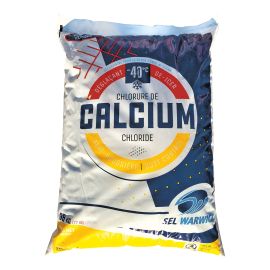
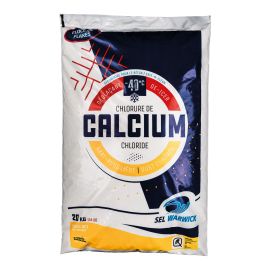
- Fast-acting de-icing salt: An effective solution for melting ice as soon as it forms.
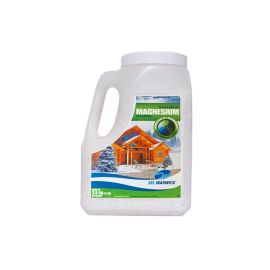
- Eco-friendly ice melter: A gentler option for concrete, pavers, lawns, and pets.
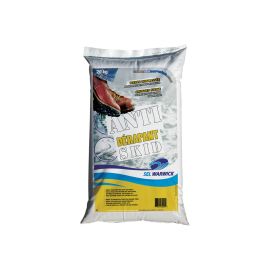
- Traction sand: Does not melt ice but improves traction on slippery surfaces.
- Ice chopper: Helps break up ice, making it easier to remove.
Ice control products for your vehicle
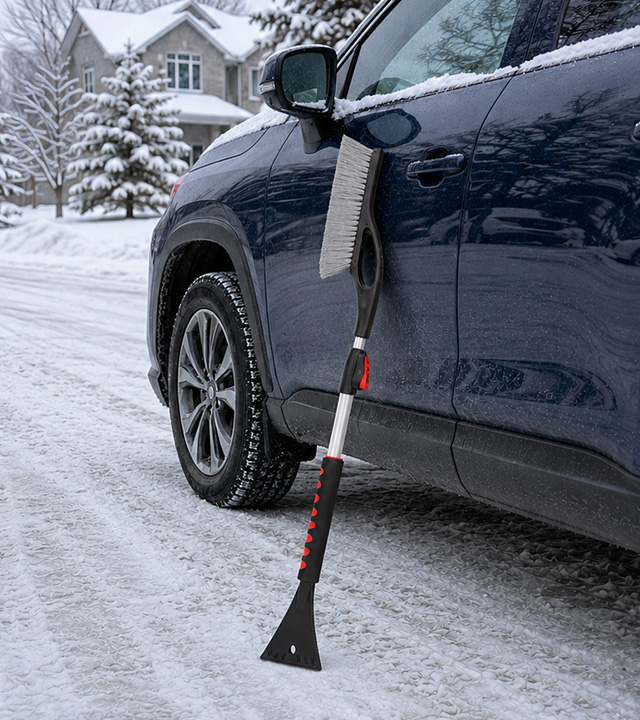
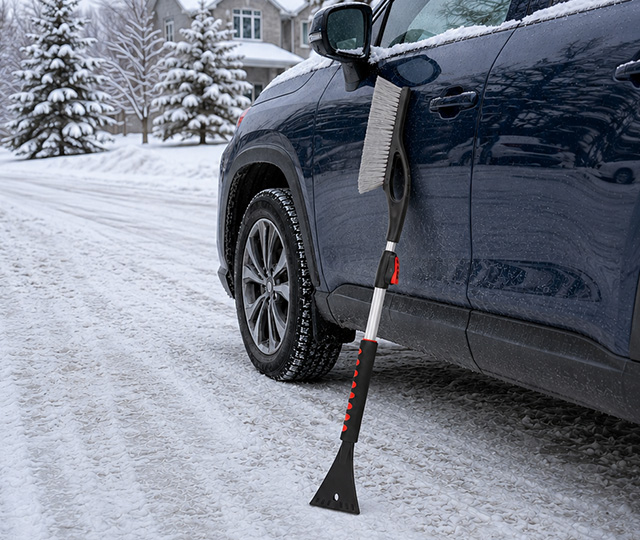
De-icing your vehicle is a winter routine that can quickly test your patience and make you lose valuable time. To speed up the process and make winter mornings easier, keep the right tools on hand:
- Aerosol de-icer: Quickly melts ice buildup on the car windshield and windows.
- Ice scraper: Effectively breaks up and scrapes away frost and ice.
- Lock de-icer: Thaws frozen locks and lubricates moving parts for smoother operation.
Keep these products in your vehicle or near your entrance so they're always within easy reach. Before storing any product in your vehicle, especially aerosol products, check the manufacturer's storage instructions.
Adapt your strategy to the weather
Before freezing rain, treat surfaces to help prevent ice from bonding to them. Apply an ice melter or preventive de-icer according to the manufacturer’s instructions. An abrasive material, such as sand or crushed stone, can also be spread to improve traction.
After freezing rain, remove accumulated ice promptly and make surfaces safer. Use an ice chopper to break up the ice, then apply a de-icer to make removal easier. Add an abrasive afterward, if needed, to reduce the risk of slipping.
During wet snow or alternating snow and rain, combine shovelling with the use of ice-melting products. As soon as wet snow begins to accumulate, shovel it before it compacts and freezes. Then apply de-icer to the cleared surfaces.
Additional precautions to prepare for freezing rain
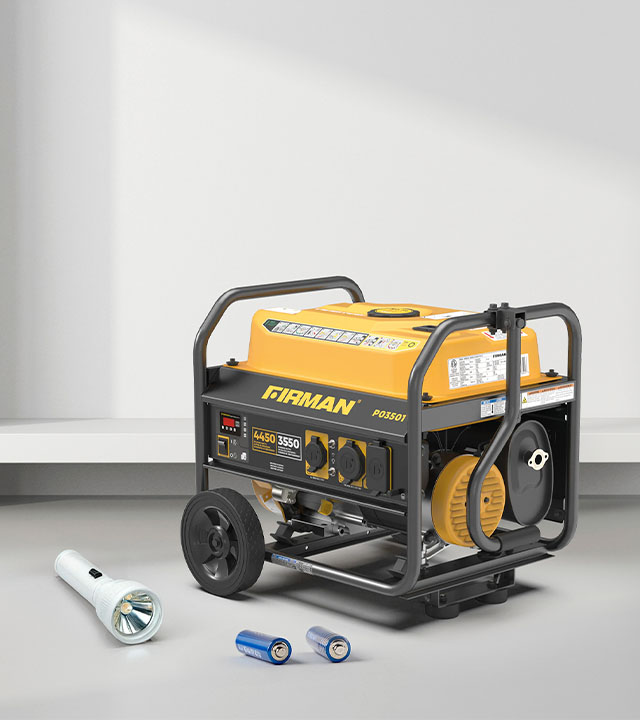
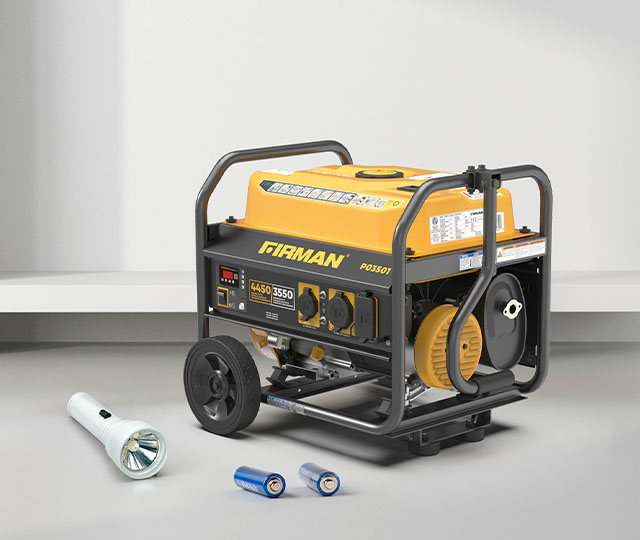
During a freezing rain event, the weight of the ice can damage trees and power lines, increasing the risk of a power outage. To be ready for this type of situation, keep a few essential items within easy reach:
If you are considering purchasing a portable generator, read our article Choosing a portable generator: A how-to guide.
Ready to shop? Browse our winter products online or visit your local store to speak with one of our experts.
Looking for more tips to help you get through the winter? Explore our other seasonal advice and buying guides.
Frequently asked questions: Removing ice
Last update: November 2025
Our solutions to prevent ice
- Add to Wish List
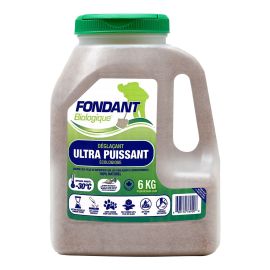 ÉCO-FORMAEcological Ice Melter - Ultra-Powerful - To -30°C - 6 kg$15.98
- Available online
- 7 to 10 day pickup
- Add to Wish List
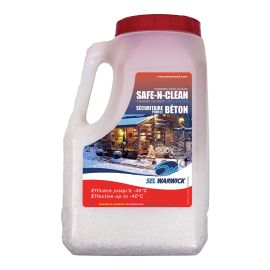 SEL WARWICKCalcium Chloride Ice Melter - Concrete Safe - 4 kg$13.98
- In stock
- In-store pickup
- Truck delivery
- Add to Wish List
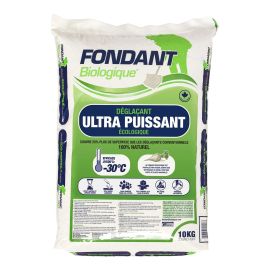 ÉCO-FORMAEcological Ice Melter - Ultra-Powerful - To -30°C - 10 kg$16.98
- Available online
- 7 to 10 day pickup
- Add to Wish List
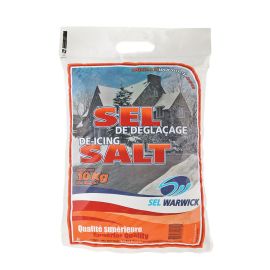 SEL WARWICKDe-Icing Salt - Effective to -10°C - 10 kg$3.08
- In stock
- In-store pickup
- Truck delivery
- Add to Wish List
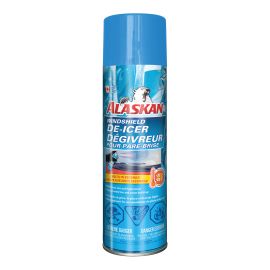 ALASKANWindshield De-Icer Spray - Effective to -31°C - 445 g$7.95 $9.98
- In stock
- In-store pickup
- Truck delivery
- Add to Wish List
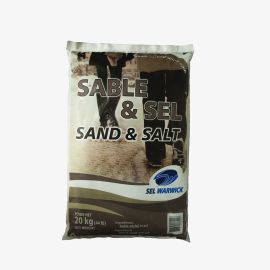 SEL WARWICKSand and Salt Mix – Winter Traction – 20 kg (44 lb)$4.98
- In stock
- In-store pickup
- Truck delivery
- Add to Wish List
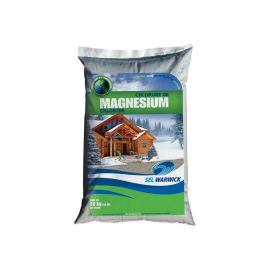 SEL WARWICKMagnesium Chloride Ice Melter - -25°C Rating - 20 kg$39.98
- In stock
- In-store pickup
- Truck delivery
- Add to Wish List
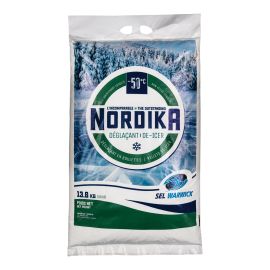 SEL WARWICKPellets Ice Melter - Calcium Chloride - -50°C - 13.6 kg$17.95 $19.98
- Available online
- 7 to 10 day pickup
- Add to Wish List
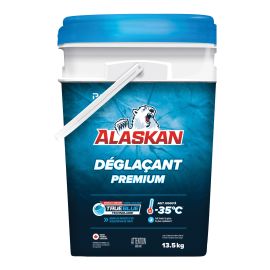 ALASKANPremium Ice Melter - Effective to -35°C - 13.5 kg$29.98
- In stock
- In-store pickup
- Parcel delivery
- Truck delivery
- Add to Wish List
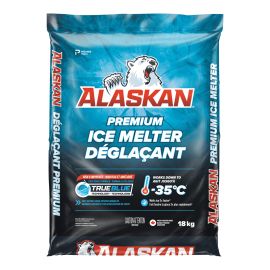 ALASKANPreventive Ice Melter - Effective to -35°C - 18 kg$22.98
- In stock
- In-store pickup
- Truck delivery
- Add to Wish List
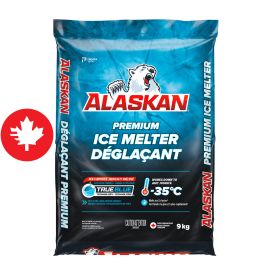 ALASKANPremium Ice Preventer - Effective to -31 C - 9 kg$14.98
- In stock
- In-store pickup
- Truck delivery
- Add to Wish List
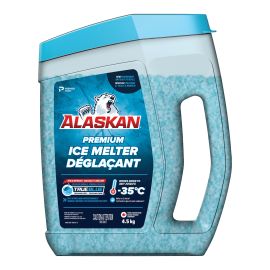 ALASKANPremium Ice Preventer - Effective to -31 C - 4.5 kg$12.98
- In stock
- In-store pickup
- Parcel delivery
- Truck delivery