
A well-designed yard quickly becomes a true outdoor living space. A patio for meals, a fire pit for longer evenings, a comfortable seating area, plants and lighting: each element should be planned according to your lifestyle, your property and the level of maintenance you want. Here are the main points to consider when creating a functional, durable and enjoyable outdoor space, from spring through the first cool evenings of the season.
Make the outdoors an extension of your home
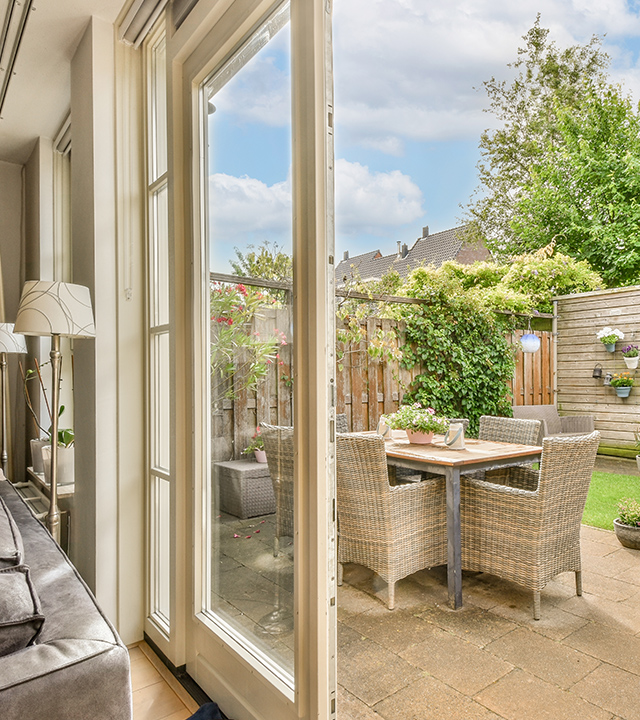
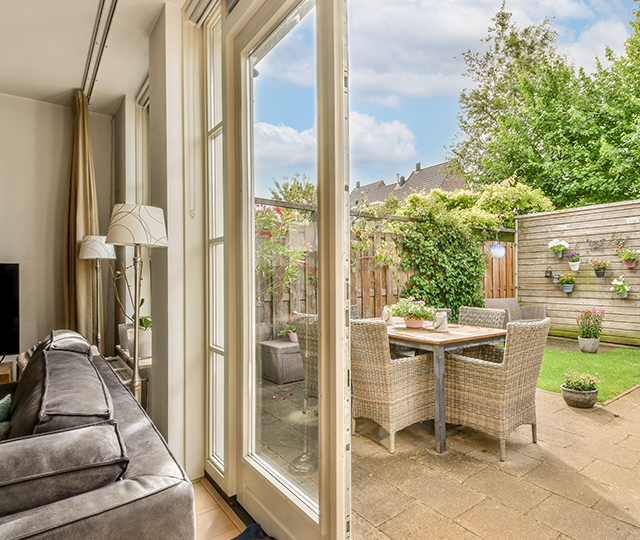
Your backyard should feel like a natural extension of your home. To create a smooth transition between indoor and outdoor spaces, use materials, colours or finishes that complement the style of your house. For example, a simple, understated interior pairs well with wood and dark pavers, while a more contemporary design may feature smooth slabs and a few metal accents.
The location of the patio is just as important. Ideally, install it within 2 metres of the door to make moving between the house and the backyard easier. The farther away it is, the less practical it will be for everyday use.
Plan before you build
Before selecting your materials, determine how you want to use your backyard.
- Who will use the space?
- At what times of day?
- For which activities?
Next, consider the characteristics of your property, including the slope, drainage, sun exposure and proximity of neighbouring properties. Evaluating these constraints from the start will help you make durable choices and avoid costly adjustments once construction is underway.
Divide the backyard into zones
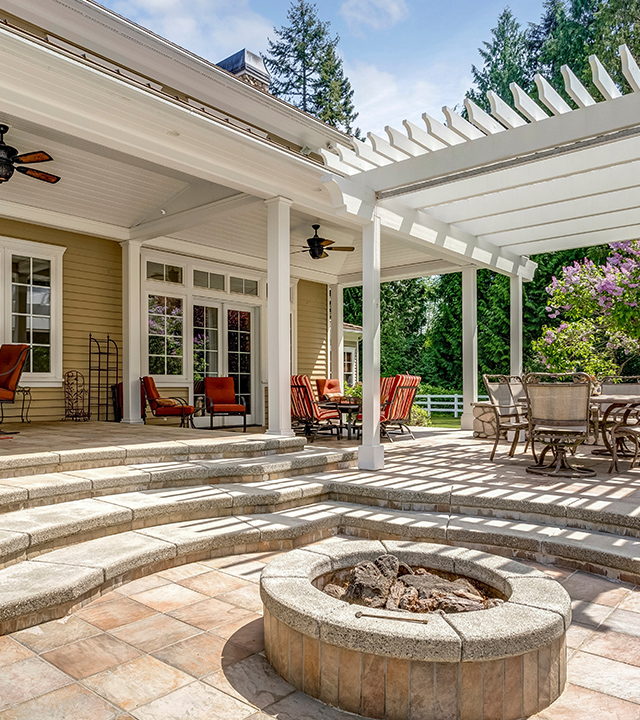
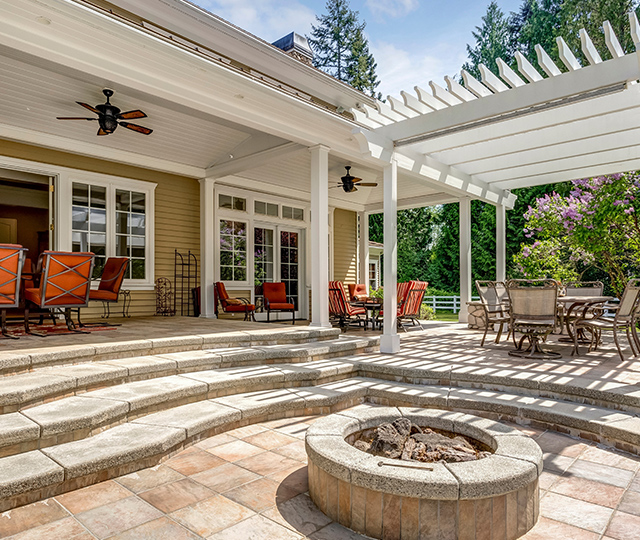
A well-designed backyard is divided into zones based on how each area will be used. These generally include:
- A dining area near the house
- A relaxation area
- A fire pit area set slightly farther back
This type of layout makes it easier to move around and allows each area to serve its intended purpose.
Be sure to leave clear pathways at least 1.2 metres wide so you can move comfortably between the different zones. To create more privacy, choose solutions that define the space without closing it in completely, such as hedges, plants or openwork privacy panels.
Install an outdoor fire pit
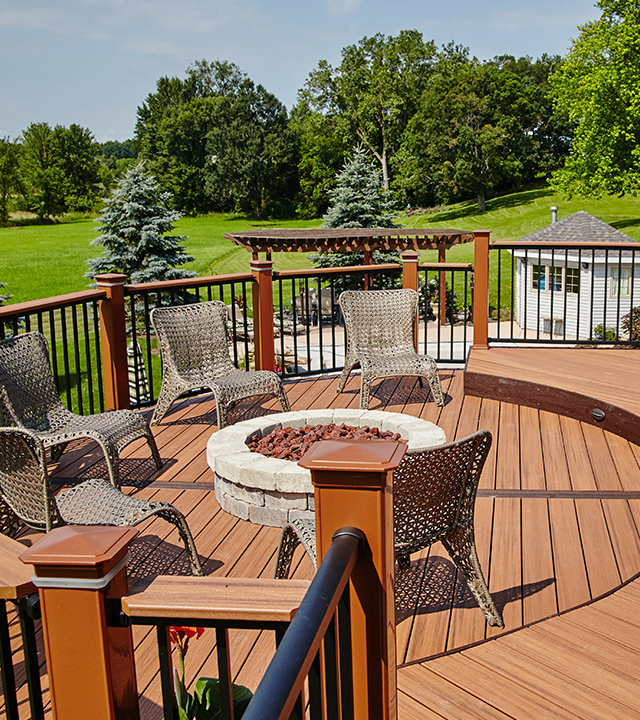
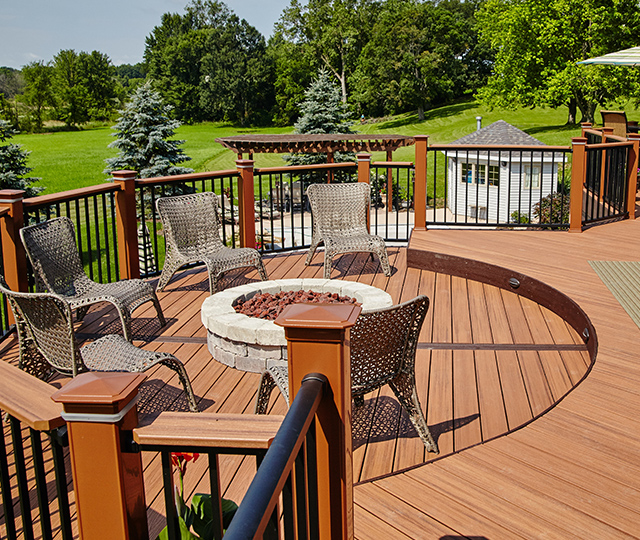
A fire pit often becomes the main gathering place in the backyard, particularly on cooler evenings. Several options are available:
- Wood for its warm and inviting atmosphere
- Natural gas for its ease of use
- Propane for its flexibility
Regardless of the type of fire pit you choose, its location must be planned carefully. Install it on a non-combustible surface and maintain a safe distance from buildings, fences and vegetation. An area approximately 2 metres in diameter is generally enough to create a comfortable space around the fire pit. Be sure to check your local municipal regulations before installation.
Arrange the seating
Arrange the seating so everyone can enjoy the warmth while still being able to interact comfortably. A circular or semicircular layout creates an inviting atmosphere and helps distribute the heat more evenly. Leave enough room behind the seats for people to move around easily.
You should also consider the prevailing winds when choosing the location of your fire pit. Proper placement will help direct smoke away from the house, seating areas and neighbouring properties.
Design a functional patio
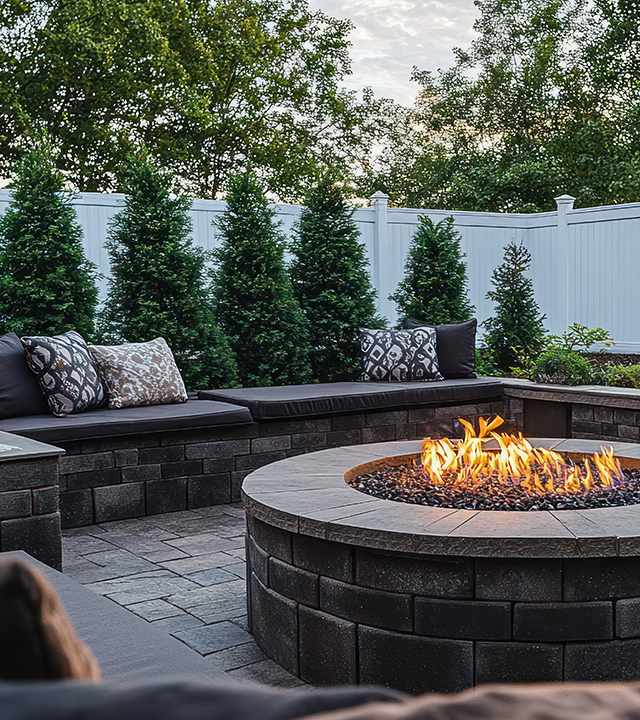
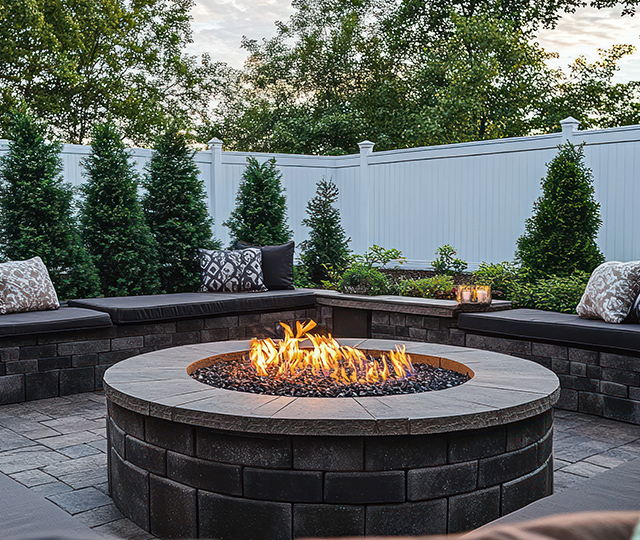
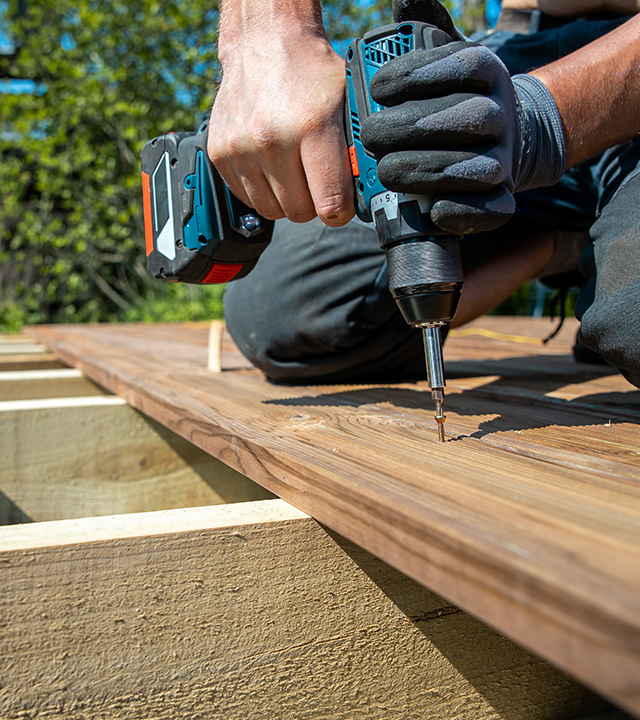
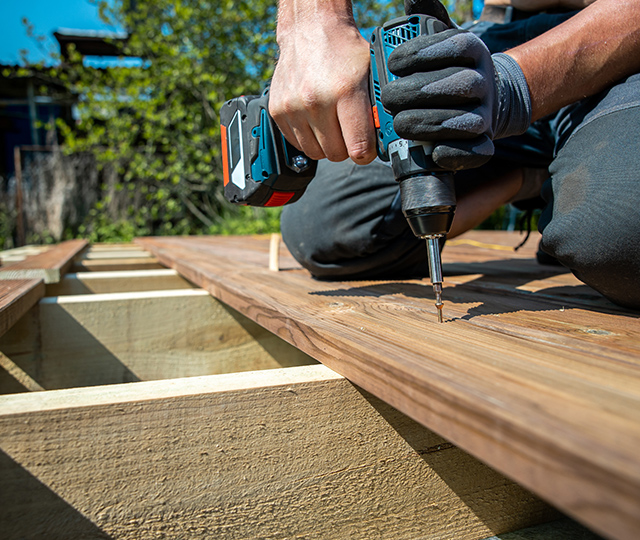
The patio is often the heart of an outdoor living space. Since it is used for many everyday activities, its design should focus equally on comfort and durability. Pressure-treated wood, cedar, composite decking and pavers all offer different advantages, but a stable foundation and effective drainage are essential, regardless of the material you choose. A poorly prepared base can quickly lead to shifting, sinking or water accumulation.
To prepare your project properly, consult our patio planning article.
Create a dining area
A functional dining area should provide enough room for people to sit and move around comfortably.
- For a four-person table, allow approximately 2 x 2 metres.
- For a six-person table, plan for approximately 3 x 2.5 metres, including space to pull out the chairs.
- Place the cooking area nearby to reduce travel between the house, barbecue and table.
- Shade and appropriate lighting will also make the area more comfortable throughout the day.
Create a relaxation area
A relaxation area naturally complements the dining space. A few chairs, an outdoor sofa and a coffee table are enough to create a comfortable place to unwind. To define the area without making it feel cluttered, add an outdoor rug, potted plants or a few carefully selected accessories.
Choose durable materials
Your choice of materials directly affects the lifespan and maintenance requirements of your outdoor space. Wood, concrete, pavers and stone are all proven options, provided they are installed on a suitable foundation. Proper water management is equally important to help prevent movement caused by freeze-thaw cycles.
Miser sur une végétation simple et structurante Use simple, structured landscaping
A successful landscape design should enhance the backyard without becoming a constant source of maintenance. Choose plants suited to the climate, such as shrubs, ornamental grasses, conifers and ground covers.
Ornamental grasses add movement, ground covers are a practical replacement for grass in difficult areas, and conifers provide visual interest throughout the year. Replacing some lawn areas with garden beds can also help define the space while reducing maintenance.
Plan appropriate outdoor lighting
Good lighting allows you to enjoy your backyard longer while making it safer to move around. In most outdoor spaces, a few well-placed light sources are enough: a wall light near the door, lighting above the dining area and pathway lights along walking areas.
Pay particular attention to steps, edges and changes in elevation to reduce the risk of falls.
Avoid the most common mistakes
Some landscaping mistakes may seem minor at first, but they can quickly affect the comfort, usability and durability of your backyard.
- Placing the patio too far from the house: The farther it is from the door, the more inconvenient it becomes to carry food, drinks and supplies.
- Neglecting drainage: Poor water drainage can lead to pooling, sinking pavers and ice buildup in winter. Always plan for an appropriate slope.
- Underestimating the importance of the foundation: A poorly prepared or inadequately compacted base can cause movement due to freeze-thaw cycles, sometimes within the first year.
- Positioning the fire pit poorly: Smoke may drift toward the house, seating areas or neighbouring properties, greatly reducing everyone’s comfort.
- Planning a space that is too small: A patio or dining area may appear large enough on paper but feel cramped once the furniture is installed.
A well-planned backyard is more enjoyable to use and more durable from one season to the next. To bring your project to life, explore our outdoor living products online at BMR.ca or visit your local BMR store for advice from our experts.
Frequently asked questions: designing your backyard
Article last updated: June 2026