Winter is approaching and you're wondering if your chicken coop needs to be heated. This is a question that any type of raiser can ask, whether you are a beginner or experienced. Several points need to be considered, notably the cold resistance depending on the breeds, safety concerns, and energy costs. This complete guide will help you make the best decision, based on your needs and those of your hens.
Do we really need to heat our chicken coop in winter?
In reality, most chicken breeds have good cold tolerance thanks to their plumage, and especially when their coop is dry, ventilated, and protected from drafts. However, everything depends on the type of chickens you own and their environment.
Heating is not necessary when:
- your chickens are hardy breeds;
- the coop is well insulated;
- the air circulates well;
- temperatures remain around -10°C to -15°C (14°F to 5°F).
Heating is useful when:
- you have cold-sensitive breeds or those originating from warm climates;
- the temperature drops to -20°C (-4°F) or lower for several days;
- you are housing chicks, elderly, or fragile hens;
- the coop is exposed to wind or poorly insulated.
Types of heating for chicken coops
Several types of systems are suitable for heating chicken coops. However, the choice of your device depends on the size of your coop, your budget, and your needs.
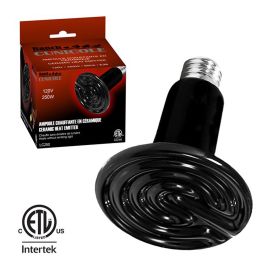
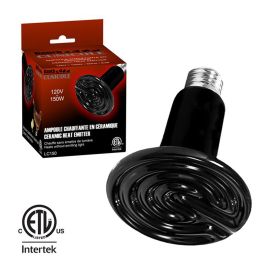
1. Ceramic heat lamp
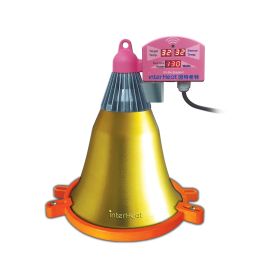
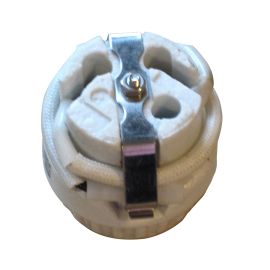
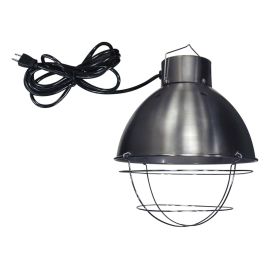
The ceramic heat lamp is a device that does not emit light, which prevents disturbing your chickens' sleep. Its design allows heat to be diffused in a way that optimizes energy losses. Resistant and suitable for humid environments, it is used in shades with a porcelain socket.
2. Infrared lamp
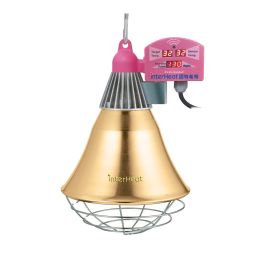
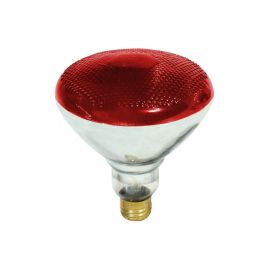
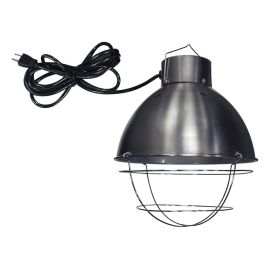
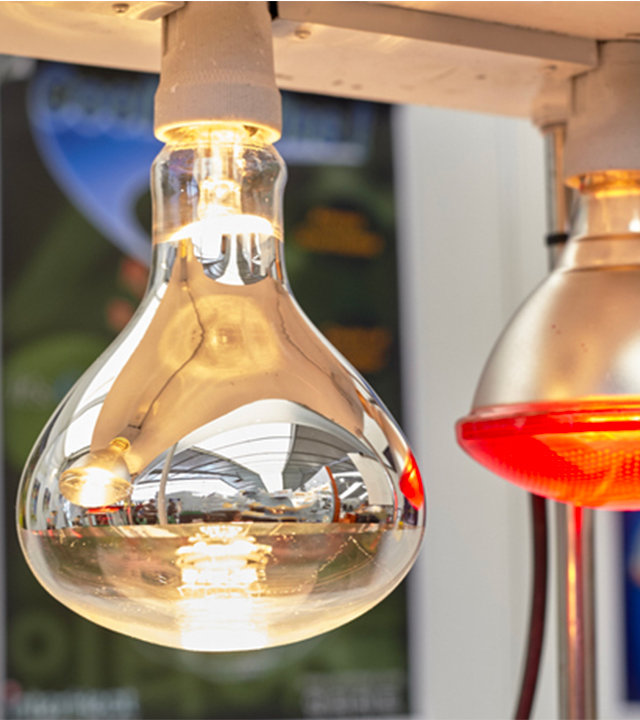
The infrared lamp does not jeopardize the chickens' sleep even though it emits a discreet red light. It offers gentle heat, perfect for young animals and cold nights. It consists of an infrared bulb as well as an adapted shade.
3. Heating panel
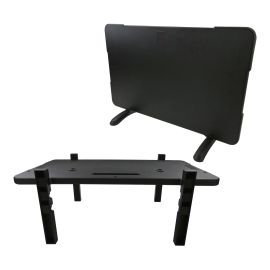
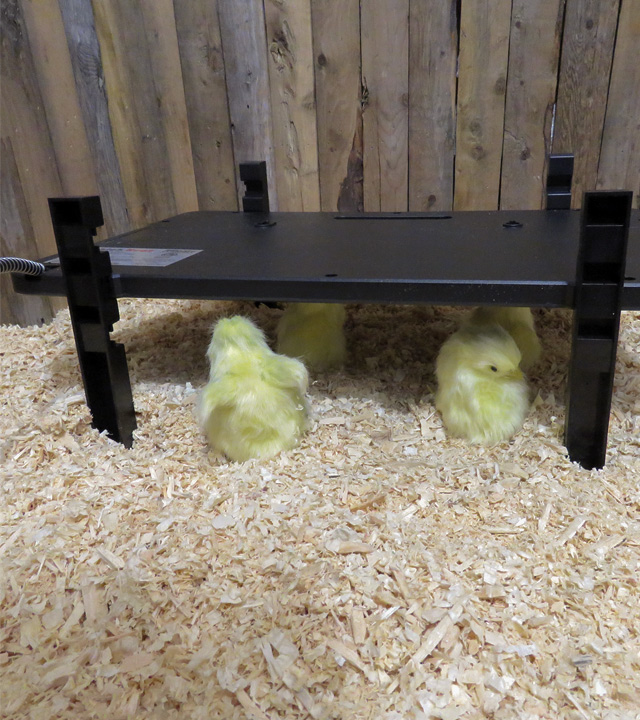
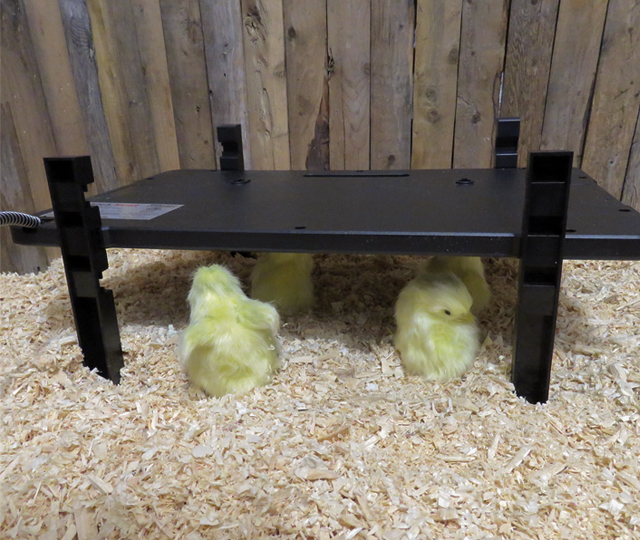
The Chickheat heating panel is a 2-in-1 device. In addition to providing proximity heat to the poultry, it can also serve as a horizontal brooder. It can act as a classic heating panel in addition to warming chicks at birth.
4. Agricultural aerotherme
The Stelpro agricultural aerotherme diffuses its heat using a fan and a low-intensity heating element. The steel casing resists humidity and corrosion. This aerotherme can also be used as a simple fan to circulate air during milder temperatures.
Installation and safety
To adequately heat your chicken coop, there are certain precautions to take to limit the risks of fire, overheating, or excessive humidity.
1. Choosing the location of your heating device
Make sure to place your heating devices:
- away from bedding hay or any flammable material;
- out of reach of your chickens;
- in a dry place without direct ventilation;
- near where your chickens sleep.
2. Installation and respect of safety distances
Heat lamps:
- Hang them at a distance of at least 60 cm (24 inches) from the chickens or the ground;
- Always point them downwards;
- Attach them securely using a carabiner, a chain, and a wire.
Heating panel:
- Install it on its legs;
- Adjust the legs so that the chickens can approach, but do not touch the surface.
Agricultural aerotherme:
- Must be installed on the wall or ceiling by an electrician;
- A height of 1.8 m to 3 m is recommended according to the manufacturer's instructions;
- Orient the aerotherme so that the hot air does not blow directly onto the chickens.
3. Connecting your devices safely
- Use a protected outlet, preferably on a dedicated circuit;
- Avoid extension cords; if you must use one, use one that is outdoor-rated and never place it under the straw;
- Protect the wire using protective sheaths or aluminum conduits;
- Check that your device is not heating up the outlet.
4. Controlling the heat
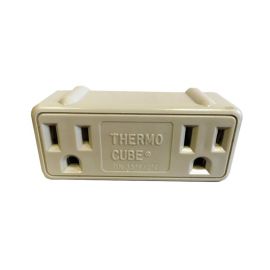
- Install a thermostat;
- Aim for a temperature around -5°C to 0°C (23°F to 32°F) in your chicken coop;
- Heating should avoid extreme temperatures and not create an environment that is too hot;
- Check the humidity, as a chicken coop that is too hot causes condensation and frost.
5. Monitor often
- Visit your chicken coop daily;
- Clean around your devices;
- Check your wires and supports;
- Check the state of the ventilation.
Remember to test your devices before the arrival of winter. Let them run for 2 to 3 hours to ensure the stability of the temperature, the absence of overheating, or any other problem. Don't forget to ventilate your chicken coop, even in winter.
Heating devices for chicks
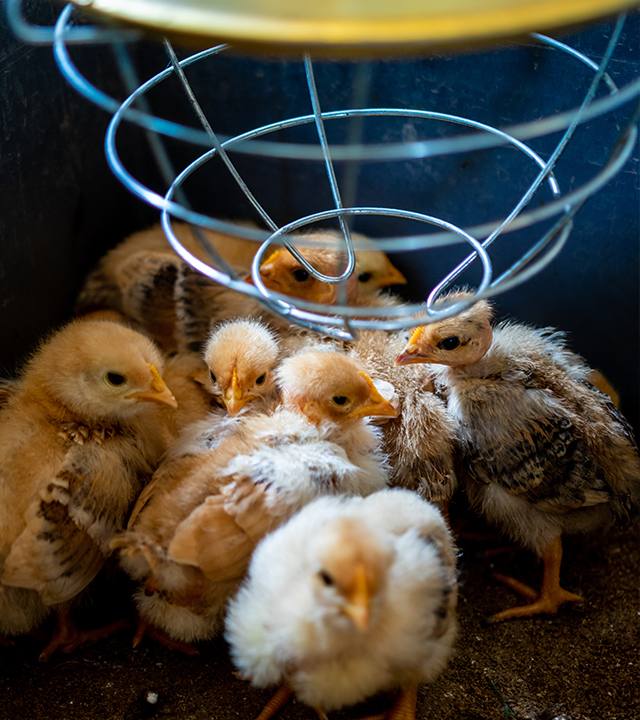
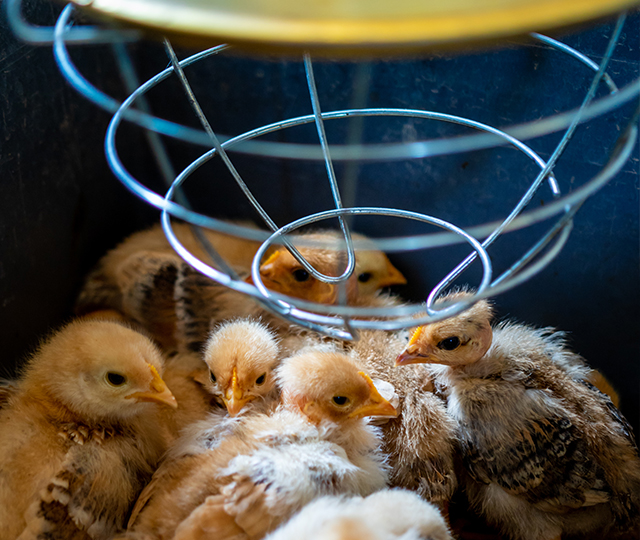
Chicks require specific heating. Their body temperature does not yet regulate like that of an adult hen and must be maintained between 35°C and 37°C (95°F and 98.6°F). This temperature is crucial during the first days, then can be reduced by 3°C per week. The goal is for them to have a warm spot to warm up and a cooler space.
The most suitable equipment is a heating panel for chicks (brooder) or a secured ceramic heat lamp.
Natural solutions for keeping the chicken coop warm
With or without a heating device, natural solutions allow you to improve thermal comfort and prevent heat loss in your chicken coop, without energy consumption.
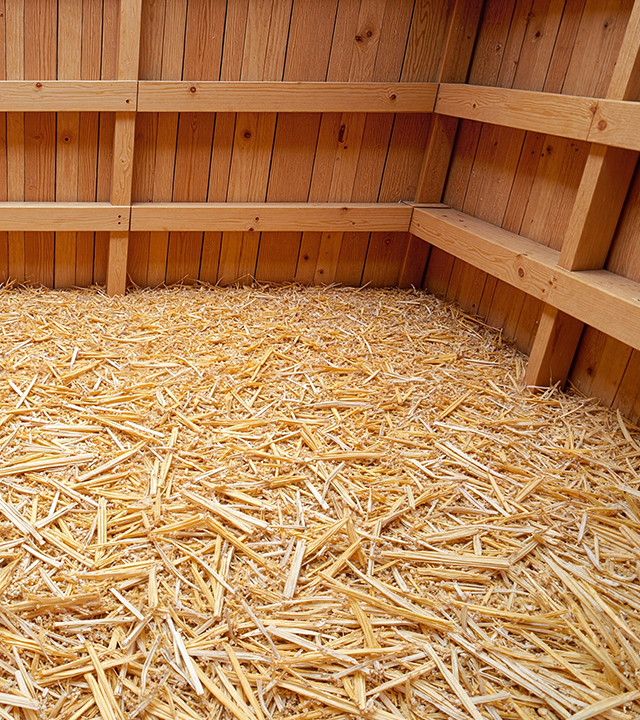
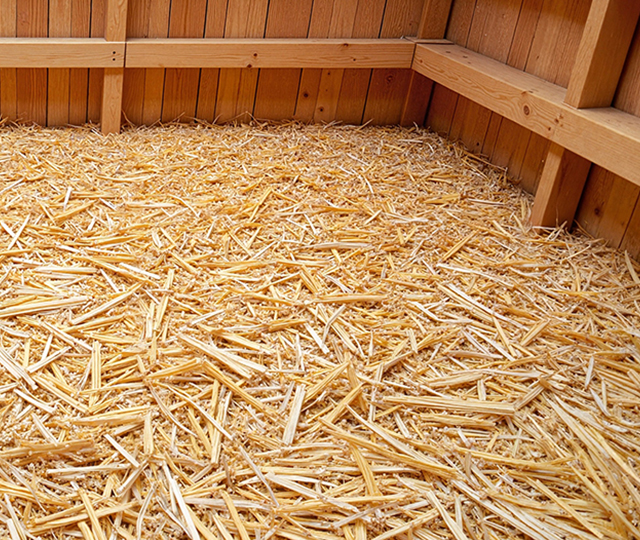
It is essential to have good insulation for your shelter in winter. To do this, consider putting about 15 to 20 cm (6 to 8 inches) of bedding depth. This way, you insulate your floor and allow your chickens to have warm feet. You can also add plexiglass panels or transparent tarps to block the wind and allow natural light to enter. Finally, insulation with materials such as cellulose or fiberglass is a promising long-term option.
Body heat emission also makes a real difference. If you can afford to have a group of chickens in your coop, without overcrowding the space, the temperature will maintain better thanks to the heat they share.
Other heating devices
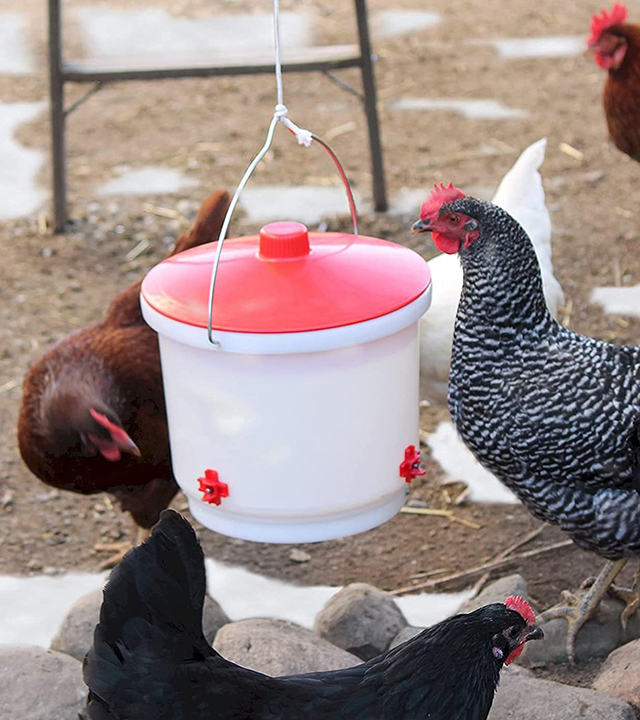
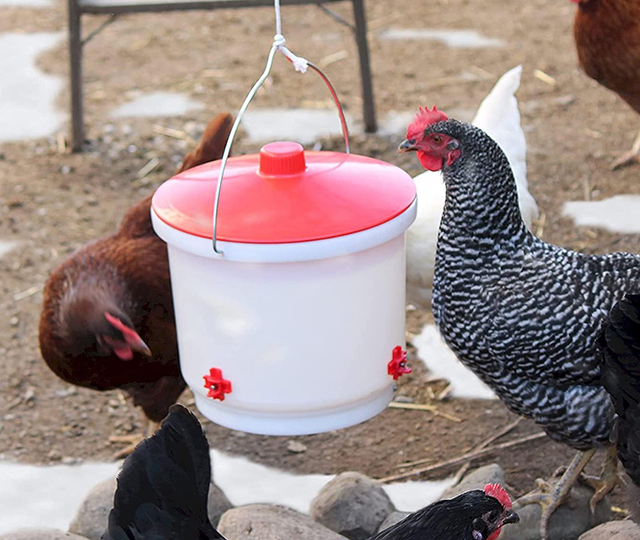
Other equipment can also help keep your hens comfortable during the winter. A heated poultry waterer is especially useful when temperatures drop below freezing, as it helps keep the water from freezing. This reduces the need for frequent water changes and helps ensure your hens continue to have access to water during periods of extreme cold.
You can also add a heating element that is compatible with an existing bucket or waterer. In all cases, choose a model designed for agricultural or outdoor use, place it on a stable surface, and keep electrical cords out of reach of the birds. Check the water daily as well to make sure it remains clean, available, and at an appropriate temperature.
For more advice, visit a BMR or Agrizone store near you to speak with an expert or visit BMR.ca to find everything you need to heat your chicken coop.
Frequently asked questions: Chicken coop heating
Last update : December 2025
Heating solutions for poultry
- Add to Wish List
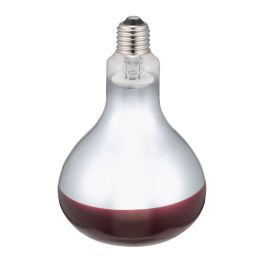 INTERHEATInfrared Bulb with Medium Base -BR40 - 250 W - 2/Pkg$19.98
- Available online
- 7 to 10 day pickup
- Parcel delivery
- Add to Wish List
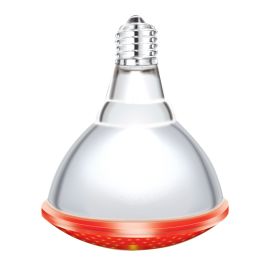 INTERHEATInfrared Bulb with Medium Base - PAR38 - 175 W - 2/Pkg$19.97 $22.98
- Available online
- 7 to 10 day pickup
- Parcel delivery
- Add to Wish List
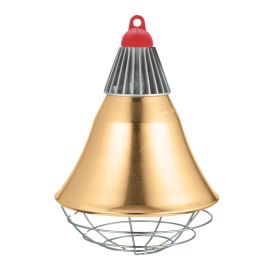 INTERHEATInfrared Bulb Brooder - 2 Intensities$25.47 $27.98
- Available online
- 7 to 10 day pickup
- Parcel delivery
- Add to Wish List
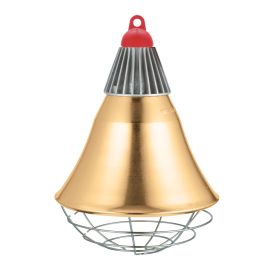 INTERHEATInfrared Bulb Brooder - 1 Intensity$21.17 $23.98
- Available online
- 7 to 10 day pickup
- Parcel delivery