
Cables, chains, wires and lines
-
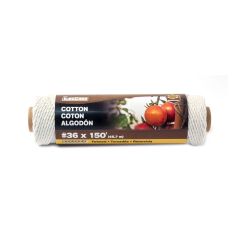 KINGCORDTwisted Cotton Rope - Natural - #36 x 150'Cotton rope is made of a widely used natural fiber, often in the form of small twines and cords. It is a strong natural fiber that is soft, pliable, and easy on the hands. Due in part to its medium strength characteristics, cotton is an excellent choice for a wide variety of common household uses, including in the kitchen, garden, for blinds, crafts, or package bundling.$3.98
- In stock
- In-store pickup
- Parcel delivery
- Truck delivery
-
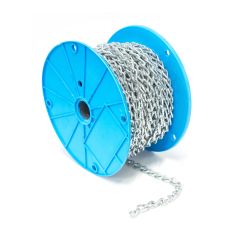 KINGCHAINTwist Link Machine Chain - # 4 - Zinc - 1/8" x 100'Twist link chain is a low carbon steel, electronically welded chain that is not heat-treated. It has shorter twisted links that make it very flexible and allow it to lay flat so it is particularly popular as a pet chain.$87.98
- In stock
- In-store pickup
- Truck delivery
-
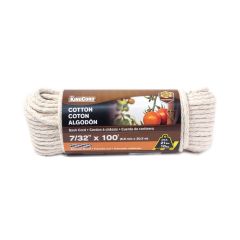 KINGCORDSmooth Braid Cotton Rope - Natural - 7/32" x 100'Cotton rope is made of a widely used natural fiber, often in the form of small twines and cords. It is a strong natural fiber that is soft, pliable, and easy on the hands. Due in part to its medium strength characteristics, cotton is an excellent choice for a wide variety of common household uses, including in the kitchen, garden, for blinds, crafts, or package bundling.$13.98
- In stock
- In-store pickup
- Parcel delivery
- Truck delivery
-
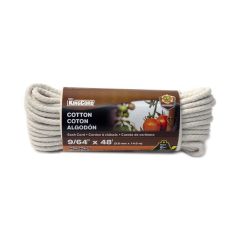 KINGCORDSmooth Braid Cotton Rope - Natural - 9/64" x 48'Cotton rope is made of a widely used natural fiber, often in the form of small twines and cords. It is a strong natural fiber that is soft, pliable, and easy on the hands. Due in part to its medium strength characteristics, cotton is an excellent choice for a wide variety of common household uses, including in the kitchen, garden, for blinds, crafts, or package bundling.$3.98
- In stock
- In-store pickup
- Parcel delivery
- Truck delivery
-
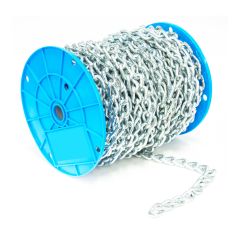 KINGCHAINTwist Link Machine Chain - 2/0 - Zinc - 3/16" x 100'Twist link chain is a low carbon steel, electronically welded chain that is not heat-treated. It has shorter twisted links that make it very flexible and allow it to lay flat so it is particularly popular as a pet chain.$209.98
- In stock
- In-store pickup
- Truck delivery
-
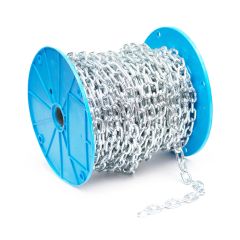 KINGCHAINStraight Link Machine Chain - #2 - Zinc - 5/32" x 98'Machine chain is a low carbon steel, electronically welded chain that is not heat-treated. It has shorter links that make it very flexible and particularly well suited for different applications.$77.98
- In stock
- In-store pickup
- Truck delivery
-
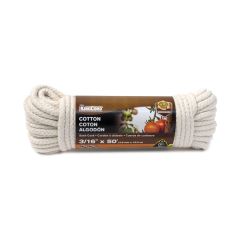 KINGCORDSmooth Braid Cotton Rope - Natural - 3/16" x 50'Cotton rope is made of a widely used natural fiber, often in the form of small twines and cords. It is a strong natural fiber that is soft, pliable, and easy on the hands. Due in part to its medium strength characteristics, cotton is an excellent choice for a wide variety of common household uses, including in the kitchen, garden, for blinds, crafts, or package bundling.$6.48
- In stock
- In-store pickup
- Parcel delivery
- Truck delivery
-
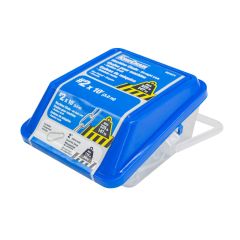 KINGCHAINStraight Link Machine Chain - #2 - Zinc - 5/32" x 10'Machine chain is a low carbon steel, electronically welded chain that is not heat-treated. It has shorter links that make it very flexible and particularly well suited for different applications.$15.48
- In stock
- In-store pickup
- Truck delivery
-
 KINGCORDSisal Twisted Twine Rope - Natural - 3/4" x 100'Sisal rope is made with the fibers found in the leaf of the Agave sisalana plant and has a very rustic look and natural feel. It is a hard natural fiber that is resistant to salt water and was initially used for rope on sailing vessels. Sisal can be easily damaged by moisture, ultraviolet (UV) light, and many common chemicals. It is resistant to salt water and is often found in the form of small twines and cords. Sisal is an excellent option for medium duty use on indoor plants, in the garden, for crafts, and for package bundling.$139.98
- Available online
- 7 to 10 day pickup
- Parcel delivery
-
 KINGCORDSisal Twisted Twine Rope - Natural - 1/2" x 50'Sisal rope is made with the fibers found in the leaf of the Agave sisalana plant and has a very rustic look and natural feel. It is a hard natural fiber that is resistant to salt water and was initially used for rope on sailing vessels. Sisal can be easily damaged by moisture, ultraviolet (UV) light, and many common chemicals. It is resistant to salt water and is often found in the form of small twines and cords. Sisal is an excellent option for medium duty use on indoor plants, in the garden, for crafts, and for package bundling.$17.48
- In stock
- In-store pickup
- Parcel delivery
- Truck delivery
-
 KINGCORDSisal Twisted Twine Rope - Natural - 1/4" x 100'Sisal rope is made with the fibers found in the leaf of the Agave sisalana plant and has a very rustic look and natural feel. It is a hard natural fiber that is resistant to salt water and was initially used for rope on sailing vessels. Sisal can be easily damaged by moisture, ultraviolet (UV) light, and many common chemicals. It is resistant to salt water and is often found in the form of small twines and cords. Sisal is an excellent option for medium duty use on indoor plants, in the garden, for crafts, and for package bundling.$13.98
- In stock
- In-store pickup
- Parcel delivery
- Truck delivery
-
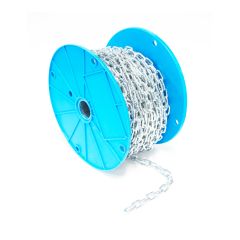 KINGCHAINStraight Link Machine Chain - #4 - Zinc - 1/8" x 100'Machine chain is a low carbon steel, electronically welded chain that is not heat-treated. It has shorter links that make it very flexible and particularly well suited for different applications.$72.98
- In stock
- In-store pickup
- Truck delivery
-
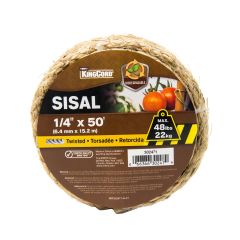 KINGCORDSisal Twisted Twine Rope - Natural - 1/4" x 50'Sisal rope is made with the fibers found in the leaf of the Agave sisalana plant and has a very rustic look and natural feel. It is a hard natural fiber that is resistant to salt water and was initially used for rope on sailing vessels. Sisal can be easily damaged by moisture, ultraviolet (UV) light, and many common chemicals. It is resistant to salt water and is often found in the form of small twines and cords. Sisal is an excellent option for medium duty use on indoor plants, in the garden, for crafts, and for package bundling.$7.48
- In stock
- In-store pickup
- Parcel delivery
- Truck delivery
-
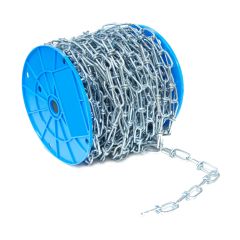 KINGCHAINTwist Link Tenso Zinc Machine Chain - 3/0 - 5/32" x 100'Tenso chain, also known as double loop, lion, or knotted chain, is made from low carbon steel, is not heat-treated, and has a standard zinc-plated finish. It is considered a weldless chain. This type of chain is frequently used on playground and gym equipment, as cattle ties on farms, and in kennels. It is also used in many general applications such as on gates, doors, porch swings, and tie-out chains.$124.98
- In stock
- In-store pickup
- Truck delivery
-
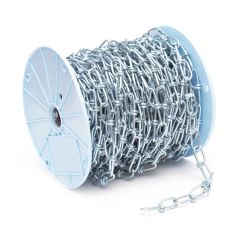 KINGCHAINTwist Link Tenso Zinc Machine Chain - 2/0 - 8/64" x 100'Tenso chain, also known as double loop, lion, or knotted chain, is made from low carbon steel, is not heat-treated, and has a standard zinc-plated finish. It is considered a weldless chain. This type of chain is frequently used on playground and gym equipment, as cattle ties on farms, and in kennels. It is also used in many general applications such as on gates, doors, porch swings, and tie-out chains.$82.98
- In stock
- In-store pickup
- Truck delivery
-
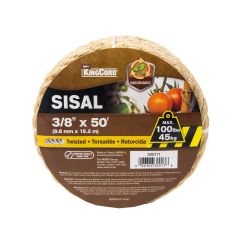 KINGCORDSisal Twisted Twine Rope - Natural - 3/8" x 50'Sisal rope is made with the fibers found in the leaf of the Agave sisalana plant and has a very rustic look and natural feel. It is a hard natural fiber that is resistant to salt water and was initially used for rope on sailing vessels. Sisal can be easily damaged by moisture, ultraviolet (UV) light, and many common chemicals. It is resistant to salt water and is often found in the form of small twines and cords. Sisal is an excellent option for medium duty use on indoor plants, in the garden, for crafts, and for package bundling.$13.98
- In stock
- In-store pickup
- Parcel delivery
- Truck delivery
-
 KINGCORDTwisted Polypropylene Rope - Tan - 1/4" x 100'Polypropylene is a general-purpose synthetic rope. It is inexpensive, lightweight, and does not absorb water, which allows the rope to float and makes it particularly useful for marine applications and pools. It has medium stretch characteristics that allow the rope to slowly stretch. Ultraviolet (UV) light inhibitors have been added to prevent degradation. Relative to other synthetic ropes, polypropylene does not hold knots well and has limited abrasion resistance.$8.28
- In stock
- In-store pickup
- Parcel delivery
- Truck delivery
-
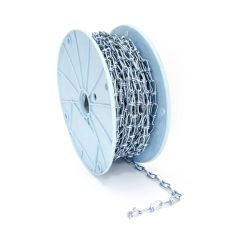 KINGCHAINTwist Link Tenso Zinc Machine Chain - #3 - 5/64" x 98'Tenso chain, also known as double loop, lion, or knotted chain, is made from low carbon steel, is not heat-treated, and has a standard zinc-plated finish. It is considered a weldless chain. This type of chain is frequently used on playground and gym equipment, as cattle ties on farms, and in kennels. It is also used in many general applications such as on gates, doors, porch swings, and tie-out chains.$42.98
- In stock
- In-store pickup
- Truck delivery
-
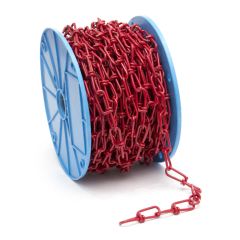 KINGCHAINTwist Link Tenso PVC Coated Machine Chain - Red - 11/64" x 98'PVC-coated Tenso chain is made from low carbon steel, is not heat-treated, and has a standard zinc-plated finish. This chain is used in applications where added weather resistance is needed.$74.98
- In stock
- In-store pickup
- Truck delivery
-
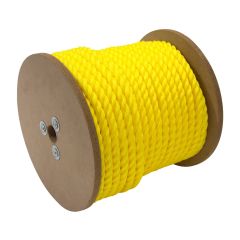 KINGCORDTwisted Polypropylene Rope - Yellow - 5/8" x 200'Polypropylene is a general-purpose synthetic rope. It is inexpensive, lightweight, and does not absorb water, which allows the rope to float and makes it particularly useful for marine applications and pools. It has medium stretch characteristics that allow the rope to slowly stretch. Ultraviolet (UV) light inhibitors have been added to prevent degradation. Relative to other synthetic ropes, polypropylene does not hold knots well and has limited abrasion resistance.$99.98
- In stock
- In-store pickup
- Parcel delivery
- Truck delivery
-
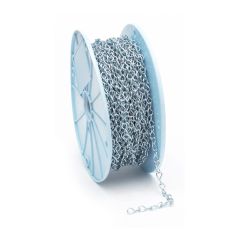 KINGCHAINZinc-Plated Jack Chain - #16 x 150'Jack chain features two eyes 90degrees out of plane to each other. Jack chain is made with low carbon steel, is not heat-treated, and has a bright finish. It is well suited for general utility applications where high strength is not required.$54.98
- Available online
- 7 to 10 day pickup
-
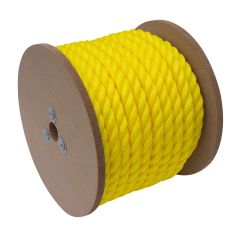 KINGCORDTwisted Polypropylene Rope - Yellow - 3/4" x 100'Polypropylene is a general-purpose synthetic rope. It is inexpensive, lightweight, and does not absorb water, which allows the rope to float and makes it particularly useful for marine applications and pools. It has medium stretch characteristics that allow the rope to slowly stretch. Ultraviolet (UV) light inhibitors have been added to prevent degradation. Relative to other synthetic ropes, polypropylene does not hold knots well and has limited abrasion resistance.$52.98
- In stock
- In-store pickup
- Parcel delivery
- Truck delivery
-
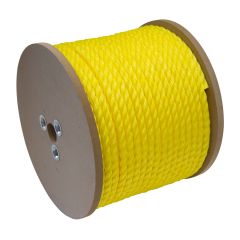 KINGCORDTwisted Polypropylene Rope - Yellow - 1/2" x 300'Polypropylene is a general-purpose synthetic rope. It is inexpensive, lightweight, and does not absorb water, which allows the rope to float and makes it particularly useful for marine applications and pools. It has medium stretch characteristics that allow the rope to slowly stretch. Ultraviolet (UV) light inhibitors have been added to prevent degradation. Relative to other synthetic ropes, polypropylene does not hold knots well and has limited abrasion resistance.$97.98
- In stock
- In-store pickup
- Parcel delivery
- Truck delivery
-
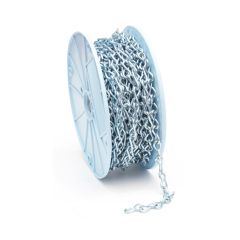 KINGCHAINZinc-Plated Jack Chain - #12 x 100'Jack chain features two eyes 90degrees out of plane to each other. Jack chain is made with low carbon steel, is not heat-treated, and has a bright finish. It is well suited for general utility applications where high strength is not required.$54.98
- In stock
- In-store pickup
- Truck delivery
-
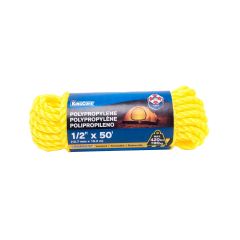 KINGCORDTwisted Polypropylene Rope - Yellow - 1/2" x 50'Polypropylene is a general-purpose synthetic rope. It is inexpensive, lightweight, and does not absorb water, which allows the rope to float and makes it particularly useful for marine applications and pools. It has medium stretch characteristics that allow the rope to slowly stretch. Ultraviolet (UV) light inhibitors have been added to prevent degradation. Relative to other synthetic ropes, polypropylene does not hold knots well and has limited abrasion resistance.$9.28
- In stock
- In-store pickup
- Parcel delivery
- Truck delivery
-
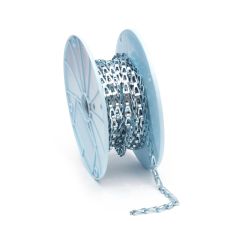 KINGCHAINZinc-Plated Sash Chain - #35 x 100'Sash chain is a stamped flat linked chain that runs very smoothly over pulleys. The chain is made from low carbon steel and is not heat- treated.$114.98
- In stock
- In-store pickup
- Truck delivery
-
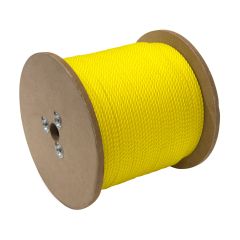 KINGCORDTwisted Polypropylene Rope - Yellow - 1/4" x 1,200'Polypropylene is a general-purpose synthetic rope. It is inexpensive, lightweight, and does not absorb water, which allows the rope to float and makes it particularly useful for marine applications and pools. It has medium stretch characteristics that allow the rope to slowly stretch. Ultraviolet (UV) light inhibitors have been added to prevent degradation. Relative to other synthetic ropes, polypropylene does not hold knots well and has limited abrasion resistance.$74.98
- In stock
- In-store pickup
- Parcel delivery
- Truck delivery
-
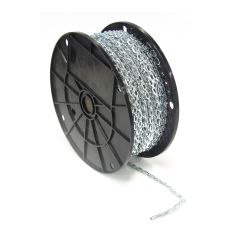 KINGCHAINZinc Furnace Chain - #91 x 200'Furnace Chain is a specialty Safety Chain that is a stamped, flat-link pattern chain that is particularly well-suited for travelling over pulleys. Furnace Chain is made from zinc-plated low carbon steel and is not heat-treated. Do not use for overhead lifting. Never exceed the Safe Working Load (SWL).$169.98
- In stock
- In-store pickup
- Truck delivery
-
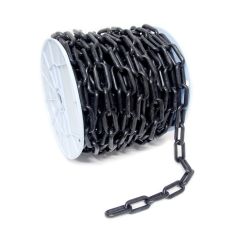 KINGCHAINPlastic Chain - Black - 2" x 65'Ideal for outdoor use. Typical applications include identifying dangerous areas, directing crowds, and hanging small planters and other garden applications.$79.98
- In stock
- In-store pickup
- Truck delivery
-
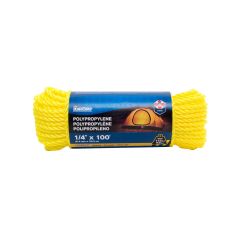 KINGCORDTwisted Polypropylene Rope - Yellow - 1/4" x 100'Polypropylene is a general-purpose synthetic rope. It is inexpensive, lightweight, and does not absorb water, which allows the rope to float and makes it particularly useful for marine applications and pools. It has medium stretch characteristics that allow the rope to slowly stretch. Ultraviolet (UV) light inhibitors have been added to prevent degradation. Relative to other synthetic ropes, polypropylene does not hold knots well and has limited abrasion resistance.$6.28
- In stock
- In-store pickup
- Parcel delivery
- Truck delivery
-
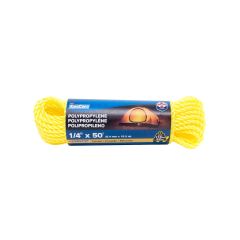 KINGCORDTwisted Polypropylene Rope - Yellow - 1/4" x 50'Polypropylene is a general-purpose synthetic rope. It is inexpensive, lightweight, and does not absorb water, which allows the rope to float and makes it particularly useful for marine applications and pools. It has medium stretch characteristics that allow the rope to slowly stretch. Ultraviolet (UV) light inhibitors have been added to prevent degradation. Relative to other synthetic ropes, polypropylene does not hold knots well and has limited abrasion resistance.$3.48
- In stock
- In-store pickup
- Parcel delivery
- Truck delivery
-
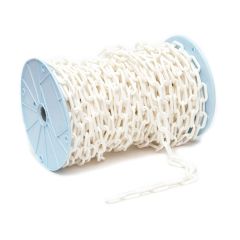 KINGCHAINPlastic Chain - White - 2" x 65'Ideal for outdoor use. Typical applications include identifying dangerous areas, directing crowds, and hanging small planters and other garden applications.$79.98
- In stock
- In-store pickup
- Truck delivery
-
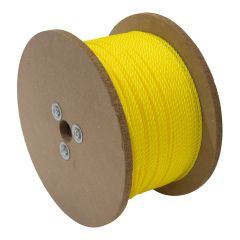 KINGCORDTwisted Polypropylene Rope - Yellow - 3/16" x 900'Polypropylene is a general-purpose synthetic rope. It is inexpensive, lightweight, and does not absorb water, which allows the rope to float and makes it particularly useful for marine applications and pools. It has medium stretch characteristics that allow the rope to slowly stretch. Ultraviolet (UV) light inhibitors have been added to prevent degradation. Relative to other synthetic ropes, polypropylene does not hold knots well and has limited abrasion resistance.$42.98
- In stock
- In-store pickup
- Parcel delivery
- Truck delivery
-
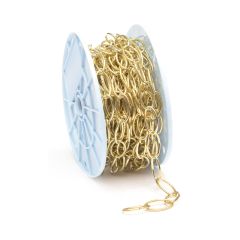 KINGCHAINOpen Oval Decorative Chain - Gold - 3 mm x 15.2 mUsed for hanging lights, flower pots, drape ties, and other needs within the home.$62.98
- In stock
- In-store pickup
- Truck delivery
-
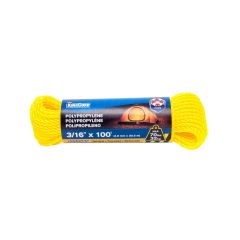 KINGCORDTwisted Polypropylene Rope - Yellow - 3/16" x 100'Polypropylene is a general-purpose synthetic rope. It is inexpensive, lightweight, and does not absorb water, which allows the rope to float and makes it particularly useful for marine applications and pools. It has medium stretch characteristics that allow the rope to slowly stretch. Ultraviolet (UV) light inhibitors have been added to prevent degradation. Relative to other synthetic ropes, polypropylene does not hold knots well and has limited abrasion resistance.$4.58
- In stock
- In-store pickup
- Parcel delivery
- Truck delivery
-
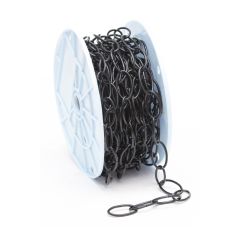 KINGCHAINOpen Oval Decorative Chain - Black - 3 mm x 15.2 mUsed for hanging lights, flower pots, drape ties, and other needs within the home.$47.98
- In stock
- In-store pickup
- Truck delivery
-
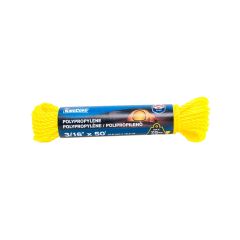 KINGCORDTwisted Polypropylene Rope - Yellow - 3/16" x 50'Polypropylene is a general-purpose synthetic rope. It is inexpensive, lightweight, and does not absorb water, which allows the rope to float and makes it particularly useful for marine applications and pools. It has medium stretch characteristics that allow the rope to slowly stretch. Ultraviolet (UV) light inhibitors have been added to prevent degradation. Relative to other synthetic ropes, polypropylene does not hold knots well and has limited abrasion resistance.$2.28
- In stock
- In-store pickup
- Parcel delivery
- Truck delivery
-
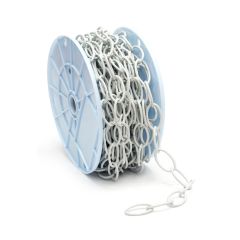 KINGCHAINOpen Oval Decorative Chain - White - 3 mm x 15.2 mUsed for hanging lights, flower pots, drape ties, and other needs within the home.$49.98
- In stock
- In-store pickup
- Truck delivery
-
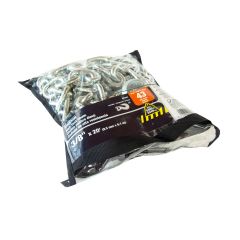 KINGCHAINGrade 43 Zinc Tow Chain - 3/8" x 20'Grade 43 tow chains have forged clevis grab hooks at both ends. Chain and hooks are zinc-plated for a bright, visible finish with moderate corrosion resistance. KingChain Grade 43 tow chains are ideal for pulling, binding, securing, and towing all types of loads.$159.98
- Available online
- 7 to 10 day pickup
-
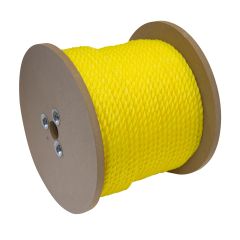 KINGCORDTwisted Polypropylene Rope - Yellow - 3/8" x 400'Polypropylene is a general-purpose synthetic rope. It is inexpensive, lightweight, and does not absorb water, which allows the rope to float and makes it particularly useful for marine applications and pools. It has medium stretch characteristics that allow the rope to slowly stretch. Ultraviolet (UV) light inhibitors have been added to prevent degradation. Relative to other synthetic ropes, polypropylene does not hold knots well and has limited abrasion resistance.$47.98
- In stock
- In-store pickup
- Parcel delivery
- Truck delivery
-
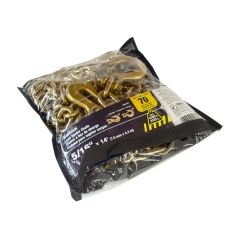 KINGCHAINTransport Chain - Grade 70 - Self-Colored with Hooks and Latch - 5/16" x 14'Grade 70 high carbon steel chains have the best strength-to-weight ratio because of their exceptional hardness, which also provides superior wear resistance. Utilisée principalement par l'industrie du camionnage pour la fixation des charges, cette chaîne est légère pour sa résistance et facile à manipuler. Elle est largement utilisée dans les exploitations agricoles, l'exploitation forestière et la construction.$74.98
- Available online
- 7 to 10 day pickup
-
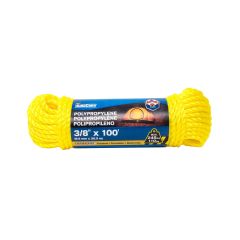 KINGCORDTwisted Polypropylene Rope - Yellow - 3/8" x 100'Polypropylene is a general-purpose synthetic rope. It is inexpensive, lightweight, and does not absorb water, which allows the rope to float and makes it particularly useful for marine applications and pools. It has medium stretch characteristics that allow the rope to slowly stretch. Ultraviolet (UV) light inhibitors have been added to prevent degradation. Relative to other synthetic ropes, polypropylene does not hold knots well and has limited abrasion resistance.$11.98
- In stock
- In-store pickup
- Parcel delivery
- Truck delivery
-
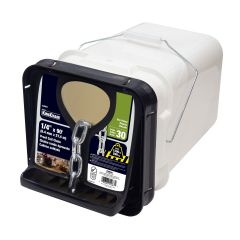 KINGCHAINGrade 30 Chain - Zinc Plated - 1/4" x 90'Grade 30 chain is an excellent general-purpose, low carbon steel, welded utility chain. This chain is often used on farms, in industries, and at home for general-purpose applications, such as pulling stumps, lashing cargo, truck tailgates, and guard rails. It is recommended for applications that do not require high strength-to-weight ratios.$199.98
- In stock
- In-store pickup
- Truck delivery
-
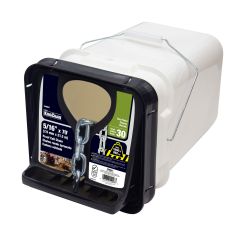 KINGCHAINGrade 30 Chain - Zinc Plated - 5/16" x 70'Grade 30 chain is an excellent general-purpose, low carbon steel, welded utility chain. This chain is often used on farms, in industries, and at home for general-purpose applications, such as pulling stumps, lashing cargo, truck tailgates, and guard rails. It is recommended for applications that do not require high strength-to-weight ratios.$194.98
- In stock
- In-store pickup
- Truck delivery
-
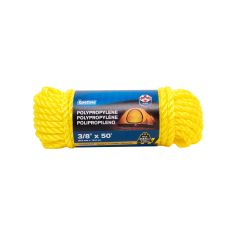 KINGCORDTwisted Polypropylene Rope - Yellow - 3/8" x 50'Polypropylene is a general-purpose synthetic rope. It is inexpensive, lightweight, and does not absorb water, which allows the rope to float and makes it particularly useful for marine applications and pools. It has medium stretch characteristics that allow the rope to slowly stretch. Ultraviolet (UV) light inhibitors have been added to prevent degradation. Relative to other synthetic ropes, polypropylene does not hold knots well and has limited abrasion resistance.$7.98
- In stock
- In-store pickup
- Parcel delivery
- Truck delivery
-
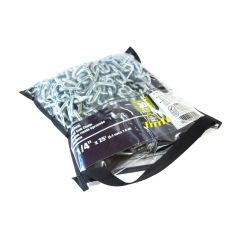 KINGCHAINGrade 30 Chain - Zinc Plated - 1/4" x 25'Grade 30 chain is an excellent general-purpose, low carbon steel, welded utility chain. This chain is often used on farms, in industries, and at home for general-purpose applications, such as pulling stumps, lashing cargo, truck tailgates, and guard rails. It is recommended for applications that do not require high strength-to-weight ratios.$59.98
- In stock
- In-store pickup
- Truck delivery
-
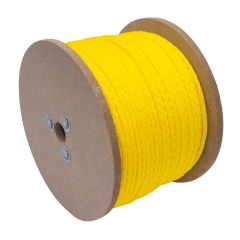 KINGCORDPolypropylene Hollow Core Rope - Yellow - 1/2" x 250'Polypropylene is a general-purpose synthetic rope. It is inexpensive, lightweight, and does not absorb water, which allows the rope to float and makes it particularly useful for marine applications and pools. It has medium stretch characteristics that allow the rope to slowly stretch. Ultraviolet (UV) light inhibitors have been added to prevent degradation. Relative to other synthetic ropes, polypropylene does not hold knots well and has limited abrasion resistance.$92.98
- Available online
- 7 to 10 day pickup
- Parcel delivery
-
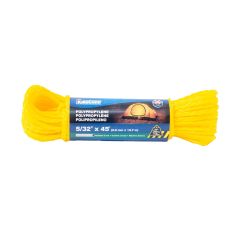 KINGCORDPolypropylene Hollow Core Rope - Yellow - 5/32" x 45'Polypropylene is a general-purpose synthetic rope. It is inexpensive, lightweight, and does not absorb water, which allows the rope to float and makes it particularly useful for marine applications and pools. It has medium stretch characteristics that allow the rope to slowly stretch. Ultraviolet (UV) light inhibitors have been added to prevent degradation. Relative to other synthetic ropes, polypropylene does not hold knots well and has limited abrasion resistance.$2.98
- In stock
- In-store pickup
- Parcel delivery
- Truck delivery
FAQ on cables, chains, wires and lines
What is cable hardware used for?
Cable hardware is designed for securing, lifting, or supporting heavy loads. It includes components like wire ropes, cables, wires, and chains, used in construction, DIY, and industrial applications.
When should I use wires and chains together?
Wires and chains can be combined for added stability — for example, when securing outdoor equipment, hanging structures, or supporting heavy loads where both flexibility and strength are needed.
What materials are wire ropes made from?
Most wire ropes are made of galvanized or stainless steel. Galvanized ropes resist rust and are suitable for outdoor use, while stainless steel offers superior corrosion resistance for marine or industrial environments.