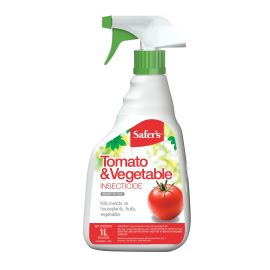
Spring is a time for renewal, but it's also the season when garden pests emerge. These tiny creatures can cause significant damage to your plants, but fortunately, there are easy ways to protect your garden. With a few simple tips and the right products, you can keep your plants healthy and pest-free all season long.
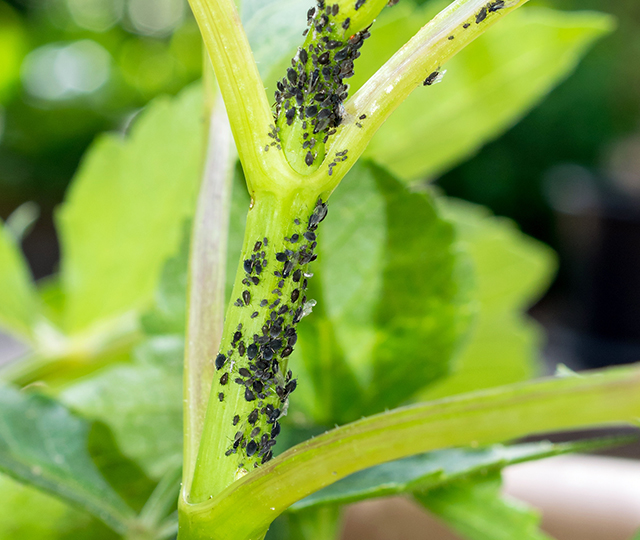
Aphids
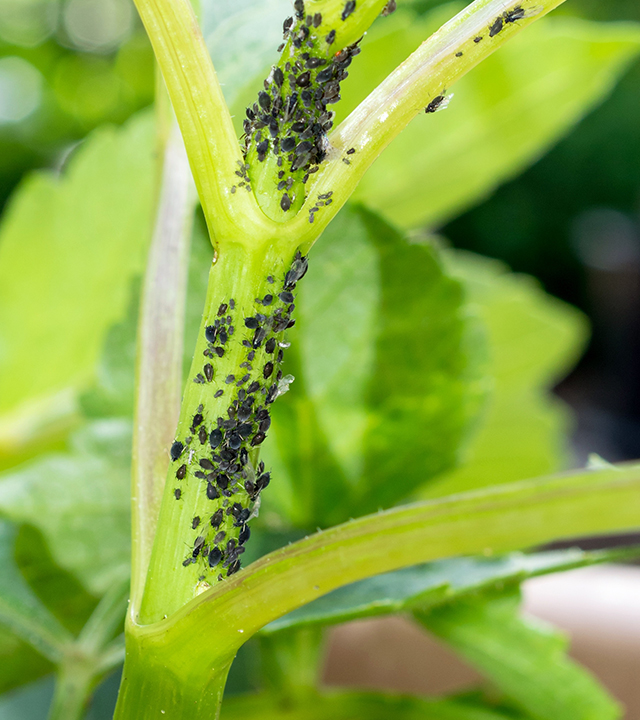
Aphids are small but mighty garden pests that feed on plant sap, quickly forming large colonies on leaves, stems, and fruit. These tiny insects, which can be green, brown, yellow, or red, secrete a sticky substance called honeydew that attracts ants and other pests.
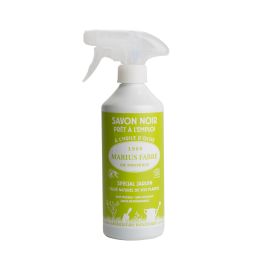
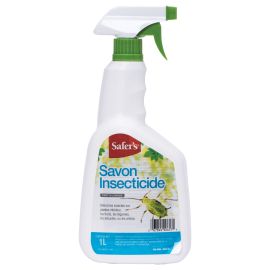
Keep aphids at bay with insecticidal soaps. Black soap, a natural olive oil-based insecticide, is a particularly effective option. Spray it evenly over the affected plant to eliminate aphids and keep your garden healthy.
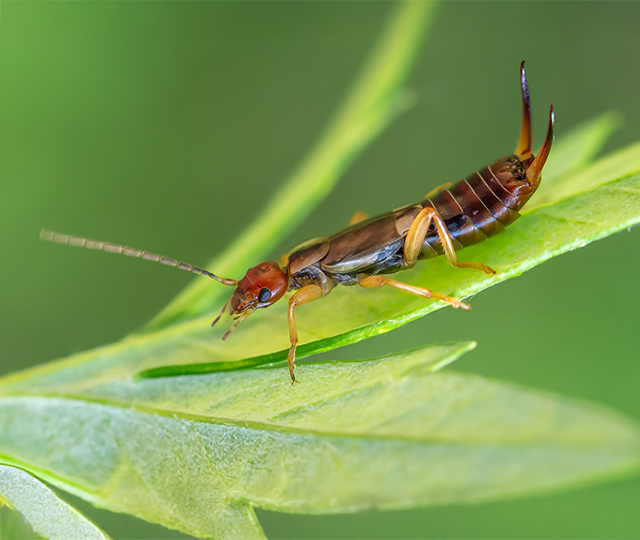
Earwigs
The earwig, an omnivorous insect, hides in the dark and damp corners of your garden. It feeds mainly on insects but can also nibble on tender leaves, flowers, or fruits of several plants.
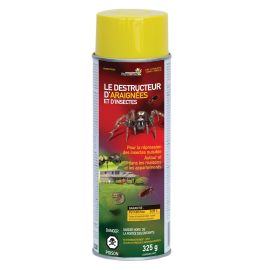
Keep earwig populations under control with an aerosol insecticide or a concentrated liquid insecticide. Concentrated formulas are generally more effective for long-term control.
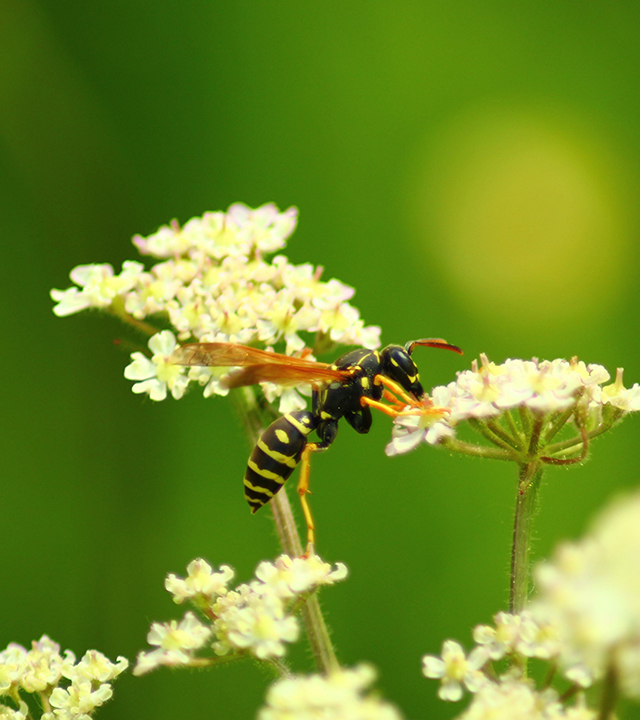
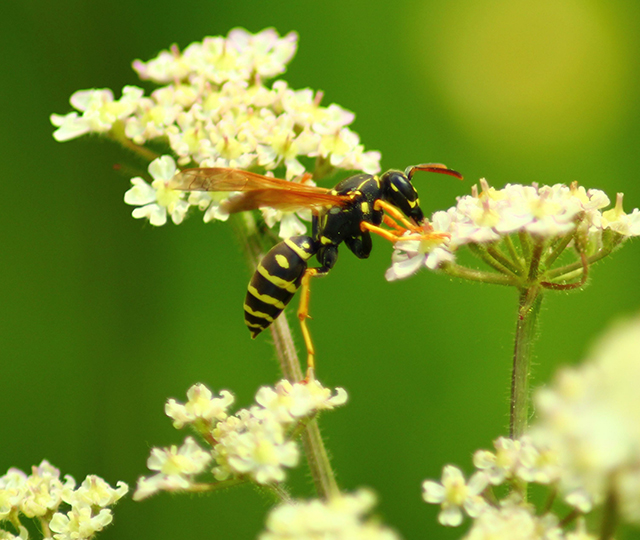
Wasps
Wasps are often confused with bees, but they're actually quite different. While both insects can pollinate plants, wasps are also predators and can be aggressive if they feel threatened. They live in colonies, building paper or underground nests that can become quite large. If you need to get rid of a wasp nest, it's important to do so safely and effectively.
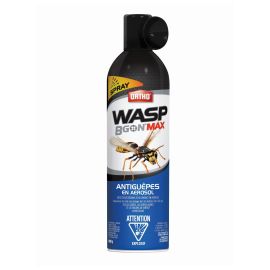
Use an insecticide specifically designed for wasp nests. Spray it directly into the nest, preferably at dusk or dawn when most of the wasps are inside. This will help ensure you eliminate as many wasps as possible. Always wear protective clothing when treating a wasp nest to avoid being stung.
Ants
Ants are omnivorous insects that can be both helpful and harmful in the garden. While they prey on other insects and don't eat plants directly, they can become a nuisance when they build large colonies in unwanted areas such as the lawn, the terrace or the children's sandbox. Fortunately, there are several ways to control ant populations around your home.
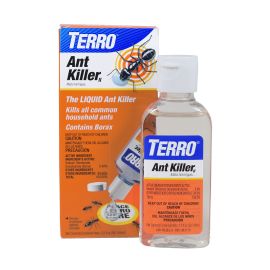
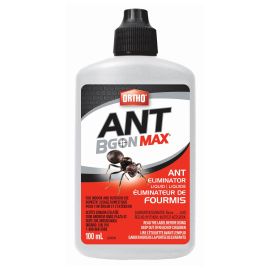
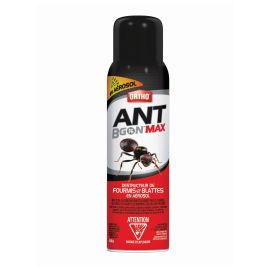
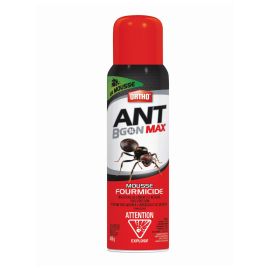
Several products are available to control ant populations outside the home. For individual ants, use an aerosol insecticide. To eliminate an anthill, use a spray product with an extension tube to reach inside the nest. Liquid ant baits are another effective option, as the ants carry the poison back to the colony.

White grubs
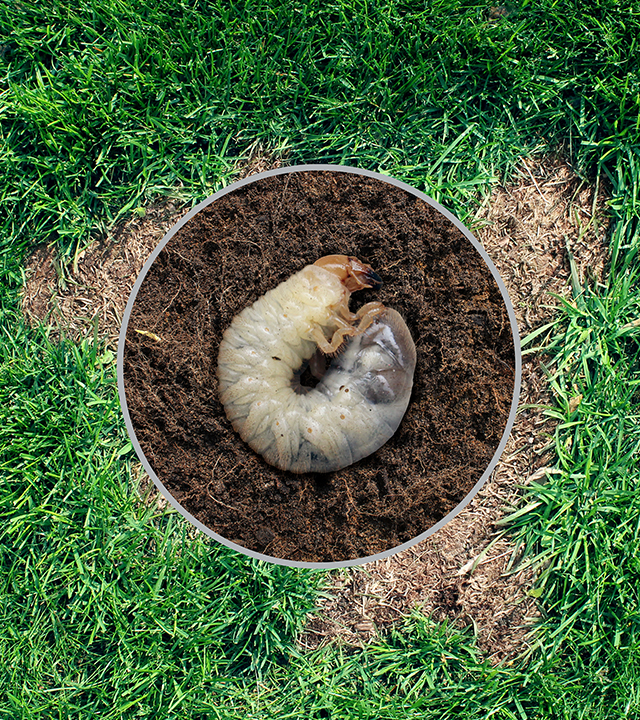
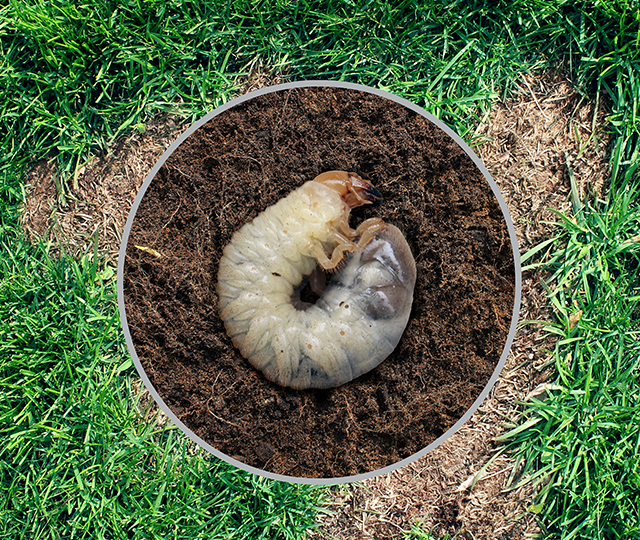
White grubs can wreak havoc on your lawn. These larvae of June beetles and scarab beetles feed on grass roots, causing significant damage. Skunks can make the problem worse by digging up the lawn in search of these tasty treats. Adult scarab beetles also damage ornamental plants by eating their leaves.
The best way to prevent a white grub infestation is to maintain a healthy lawn. Long, diverse grass is less attractive to these pests. If you already have white grubs, you can use an insecticide to control them from spring through fall.
Mosquitoes
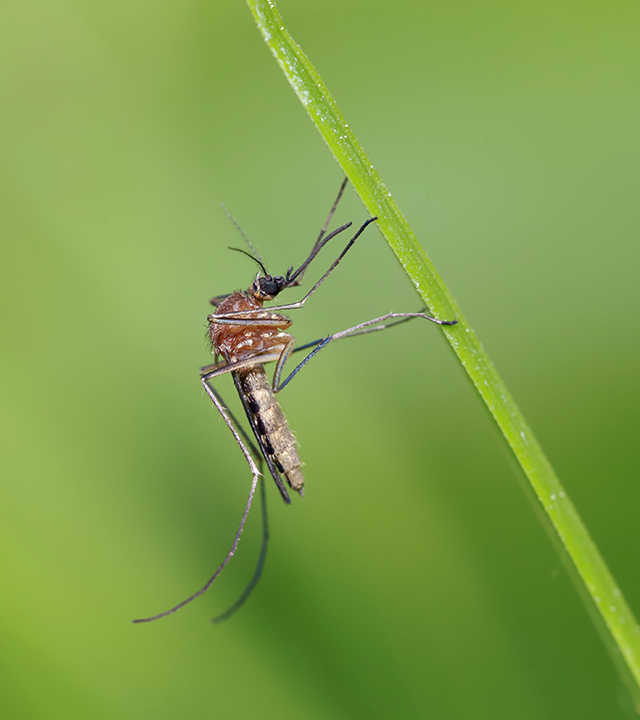
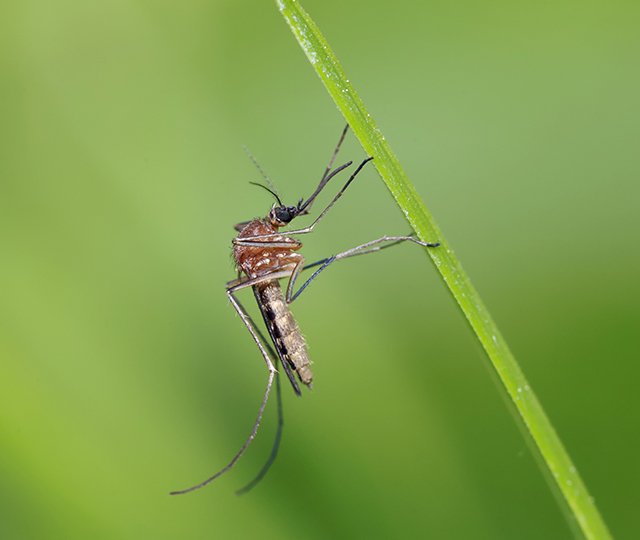
Mosquitoes are a common summer nuisance. These small, biting insects breed in stagnant water and are most active at dawn and dusk. Their bites can be itchy and annoying, for humans as well as animals.
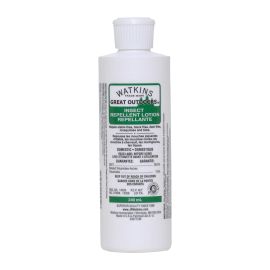
Protect yourself by wearing long, light-colored clothing and using a mosquito repellent spray or cream can be effective for short periods.
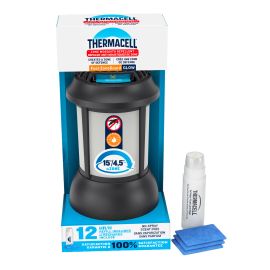
Keep mosquitoes away from your yard by using terrace or individual repellents and eliminating any standing water sources in pots, buckets, gutters, and other areas. Planting mosquito-repelling plants like citronella, peppermint, lavender, and rosemary can also help.
Safety first
When using insecticides, be sure to follow the instructions on the label. Make sure the product is appropriate for your situation. Wear rubber gloves or wash your hands after using the product. Always keep these products out of the reach of children and pets.
There are several solutions to manage harmful insects that invite themselves into your gardens. Each type of pest requires a tailored approach. By following these tips above, you will enjoy a healthy garden that will thrive throughout the season.
For more advice, visit a BMR near you to speak with an in-store expert or visit BMR.ca to find everything you need to repel or eliminate destructive insects.
Popular choices
- Add to Wish List
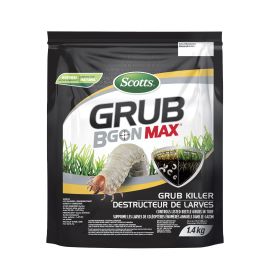 SCOTTSGRUB BGON MAX White Worm Destroyer - 1.4 kg$36.98
- In stock
- In-store pickup
- Parcel delivery
- Truck delivery