
Every snowstorm comes with its share of snow removal. Choosing the right snow shovel can make all the difference between a tedious chore and a job well done. Given the variety of available models, materials, and sizes, it is important to find the tool that suits your actual needs. This guide presents the different types of snow shovels, their respective advantages, and some pro tips to help you make an informed, effective, and durable choice.
The essential criteria for choosing a snow shovel
A snow shovel model that is too heavy or poorly suited can quickly become tiring, especially during periods of heavy accumulation. According to l’Ordre professionnel de la physiothérapie du Québec, a shovel should not exceed 3 lb to limit the risk of back pain. The handle height is just as important: it should reach approximately chest level to promote a natural posture and avoid excessive straining.
The handle material also affects your comfort. Wood and plastic have the advantage of remaining more temperate to the touch, unlike metal, which can become icy and difficult to handle in the middle of winter.
Your budget should also be considered. Our basic models start around $30, while our most high-performance electric shovels can go up to $630. This variation reflects differences in materials, technology, and durability. A more affordable tool may be suitable for occasional use, whereas a more advanced model will save you time and energy if you have to shovel often.
Finally, consider the area to be cleared of snow. A balcony or a few steps does not require the same tool as a large driveway or a long sidewalk. If you have a small area, a lightweight manual shovel is often sufficient. For larger areas, an ergonomic or even electric model can be an excellent investment to make the task quicker and less demanding.
The different types of snow shovels available
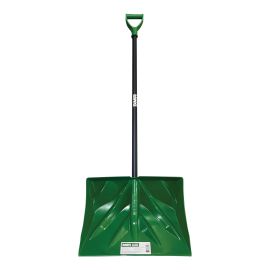
Polyethylene or Plastic Blade Shovel
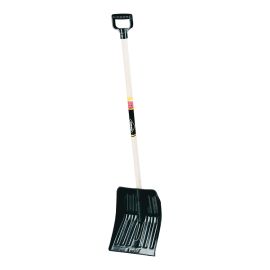
This type of shovel is lightweight, easy to handle, and ideal for pushing snow without too much effort. Plastic blades also have the advantage of being gentler on surfaces like asphalt or sidewalks, without damaging them. It’s a good choice if you have a small entrance to clear, if you shovel regularly but without large snowdrifts, and if you are looking for a simple and effective tool.
Aluminum Blade Shovel
With its rigid blade, the aluminum blade shovel is designed to tackle more compact or icy snow. It is robust, and its lifespan is often longer than that of plastic models. It is well-suited for concrete driveways or areas where the snow is often trampled and difficult to dislodge.


Telescopic Handle Shovel
The roof rake, also known as a snow roof scraper, is perfect for high-up areas, such as car shelters and roofs. Its telescopic handle is adjustable, helping reduce physical effort when clearing snow.
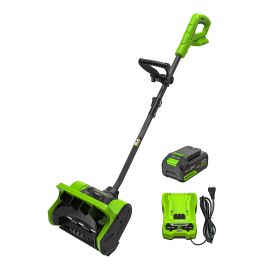
Electric Snow Shovel
These motorized, battery-powered, and portable shovels are perfect for those who have large areas to maintain or who want to avoid physical effort. They function a bit like small snow blowers and can quickly clear a driveway, a sidewalk, or a large porch. They are also suitable for people with reduced mobility or those looking for a fast and efficient way to shovel.
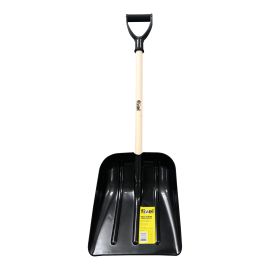
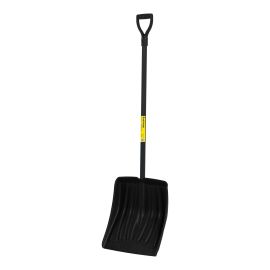
Sleigh Shovel or Wide-Blade Pusher
Sleigh shovels are designed to push the snow in one go, without having to lift it. They are perfect for quickly clearing large areas such as wide driveways, sidewalks, or yards.
Complementary tools
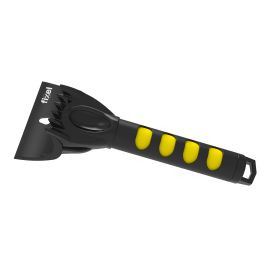
Snow Scraper
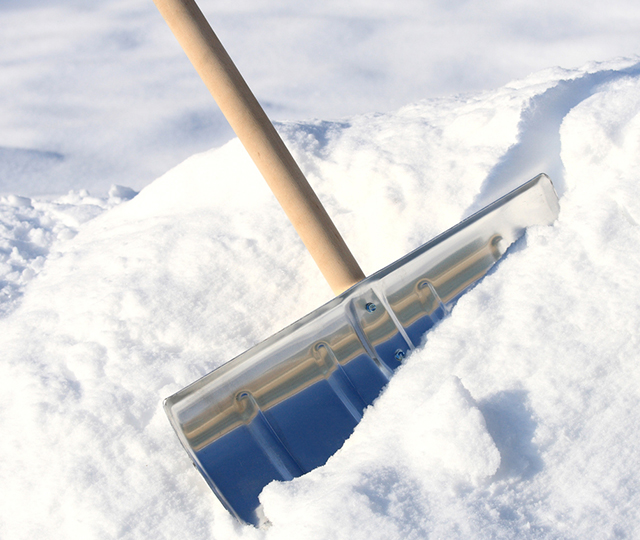
This type of tool is designed to break and remove hardened snow or thin ice stuck to the ground. Its straight blade, often made of metal, allows for good scraping of hard surfaces like concrete or asphalt. It is often used as a complement to a standard shovel or an electric shovel, once the snow has been pushed or removed.
Ice Chopper
The ice chopper is the tool of choice for tackling thick or hard ice sheets that resist ordinary shovels. It is equipped with a straight, thin, and very rigid blade, often made of metal, capable of splitting ice that is embedded on a surface. It is often used after a mild spell followed by a freeze, when melted snow has frozen and formed a solid layer.

Some usage and maintenance tips
The way you shovel has a direct impact on the body. It is important to avoid lifting loads that are too heavy or throwing the snow over your shoulder, as this often causes strain in the back or joints. It's better to go slowly, with lateral movements and small, repeated changes. It is better to take your time than to force it all at once.
For those who use an electric shovel, good maintenance prolongs the life of the device. Remember to keep the battery warm between uses and to thoroughly clean the equipment after each session. A small gesture makes a big difference in performance and reliability, especially in the heart of winter.
Ultimately, no matter which model is chosen: it's how you use it that counts. Combine your tool with good shoveling practices, take a few precautions, and this winter chore will become an effective... even satisfying activity. Done properly, snow removal can even become a little healthy workout.
After choosing your snow shovel
Once the snow is cleared, one last important step remains to ensure safety around the house: adding sand, salt, or de-icer.
These products help reduce the risk of falls by making surfaces less slippery, especially when temperatures drop or the snow begins to freeze.
By taking the time to treat the cleared areas, you transform a simple chore into a real prevention solution. This is the kind of detail that makes all the difference for you, your family, and your visitors.
Frequently asked questions: Choosing you snow shovel
Last update: October 2025
Our snow shovels
- Add to Wish List
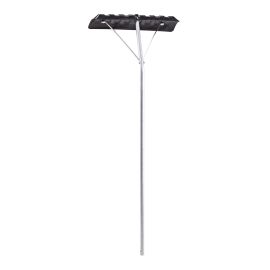 GARANTTelescoping Snow Roof Rake - Recycled Poly Blade - 15'$49.98
- In stock
- In-store pickup
- Truck delivery
- Add to Wish List
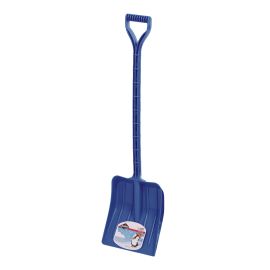 GARANTKids' Snow Shovel - 10 3/8" Blade$10.98
- In stock
- In-store pickup
- Parcel delivery
- Truck delivery
- Add to Wish List
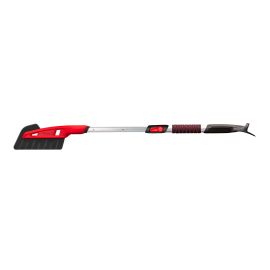 GARANTTelescopic Snow Brush - Straight Head - 33.5" to 45"$30.98
- In stock
- In-store pickup
- Parcel delivery
- Truck delivery
- Add to Wish List
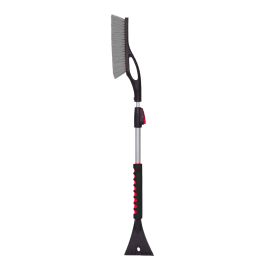 GARANTTelescopic Straight Snow Brush - 35" to 46" - ABS Scraper$19.98
- In stock
- In-store pickup
- Parcel delivery
- Truck delivery
- Add to Wish List
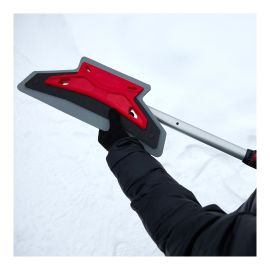 GARANTMulti-Purpose Snow Rake - Pivoting Head - Telescopic - 76"$52.98
- In stock
- In-store pickup
- Parcel delivery
- Truck delivery
- Add to Wish List
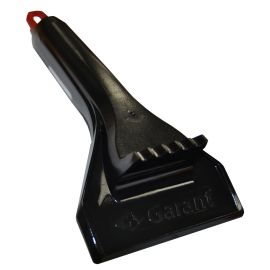 GARANTIce Scraper - Polycarbonate - Sturdy$6.28
- In stock
- In-store pickup
- Parcel delivery
- Truck delivery
- Add to Wish List
 GARANTEmergency Car Snow Shovel – Telescopic Handle – Blue$25.98
- In stock
- In-store pickup
- Parcel delivery
- Truck delivery
- Add to Wish List
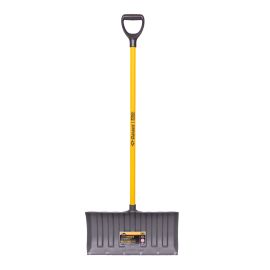 GARANTSnow Pusher Pro Series - 21" Blade - Fiberglass Handle$35.98
- In stock
- In-store pickup
- Truck delivery
- Add to Wish List
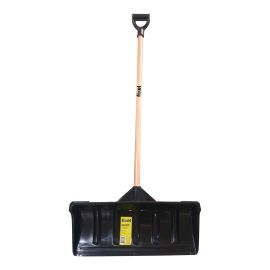 FIXELSnow Shovel and Pusher - 22" Blade - 54" Wood Handle$18.96
- In stock
- In-store pickup
- Truck delivery
- Add to Wish List
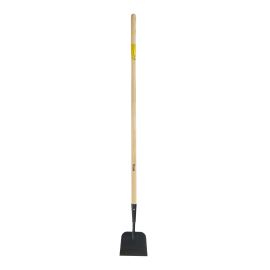 FIXELIce Breaker - Forged Steel Blade - Powder-Coated - 58"$15.96
- In stock
- In-store pickup
- Truck delivery
- Add to Wish List
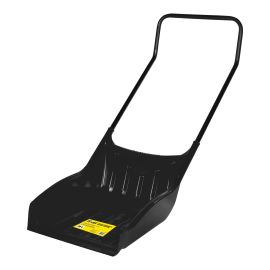 FIXELSleigh Snow Shovel - 23.5" Blade - 35L - Steel Handle$44.96
- In stock
- In-store pickup
- Truck delivery
- Add to Wish List
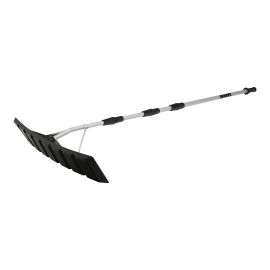 TORKKTelescopic Aluminum Roof Rake - Extends 6' to 20.5'$59.98
- In stock
- In-store pickup
- Parcel delivery
- Truck delivery
- Add to Wish List
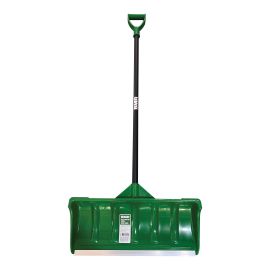 BMRSnow Shovel and Pusher - 22" Blade - Steel Handle$24.98
- In stock
- In-store pickup
- Truck delivery
Some illustrative image have been generated by artificial intelligence. Features, colours, and details may differ from the actual product. In case of a discrepancy between the image and the actual product, the features and price displayed in store remain the only applicable information.