Insulating your home is a key step to staying warm in the winter and cool in the summer. But with so many materials available, how do you navigate the options and make the right choice? This guide introduces you to thermal insulation materials and their characteristics to help you choose what best suits your project.
Choosing thermal insulation based on your needs
Choosing insulation depends on several factors, such as the type of project, the target thermal performance (R-value), and the budget you can dedicate to it. A wide variety of insulation solutions exist, designed to withstand the Canadian climate and meet every need.
Why choose your thermal insulation carefully
Good insulation helps maintain a stable thermal balance, limits drafts, reduces humidity at the bottom of walls, and prevents mold formation. It also helps keep things cool in the summer and retains heat in the winter, for constant comfort all year round.
But insulation isn't just about improving your well-being. It also plays an important role for the environment and the value of your home. A well-insulated house consumes less energy, which means lighter bills, a reduced carbon footprint, and better overall energy efficiency.
According to Transition énergétique Québec, a poorly insulated house built about thirty years ago can lose approximately:
- 11% of heat through the roof,
- 15% through basement walls and floors,
- 17% through above-ground walls,
- 25% due to air infiltration;
-
and up to 32% through doors and windows.
Good reasons to choose your insulation materials carefully.
The main types of insulation available at BMR
1. Insulating wool
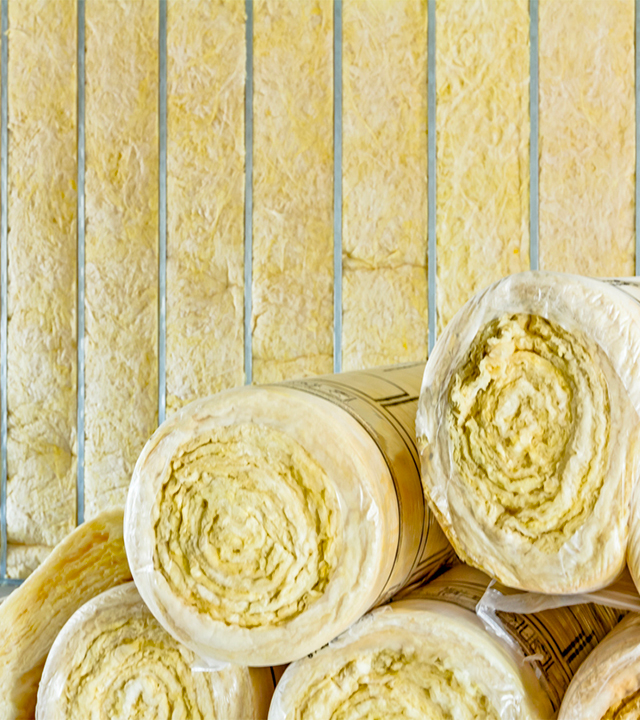
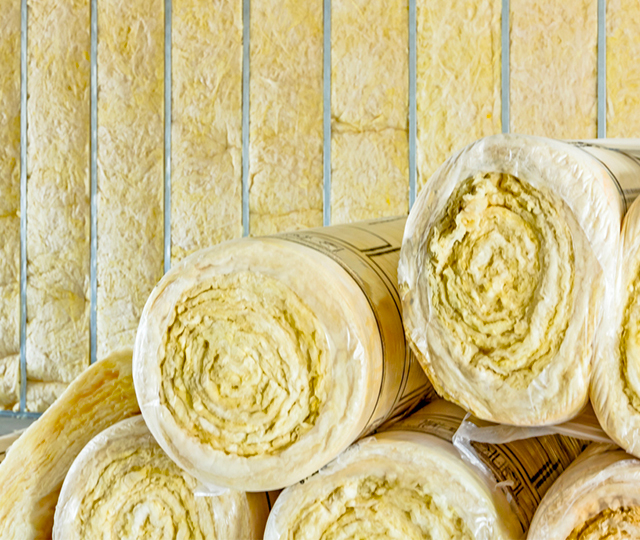
Wool insulation is one of the most common solutions, particularly for its ease of installation and good overall performance. But you still need to know which one to choose depending on your project.
Fiberglass: Lightweight and affordable, it is easy to handle and is well-suited for walls, ceilings, or attics. Its excellent value for money makes it a smart choice for renovations as well as new constructions.
Rock wool: Also called stone wool, it is distinguished by its fire resistance and its ability to repel humidity and mold. It is a durable solution, particularly suited for basements or areas exposed to temperature fluctuations.
Blown-in wool: Often used in attics, this insulation is mechanically blown in to quickly cover large surfaces. It helps to limit heat loss uniformly, without leaving cold spots.
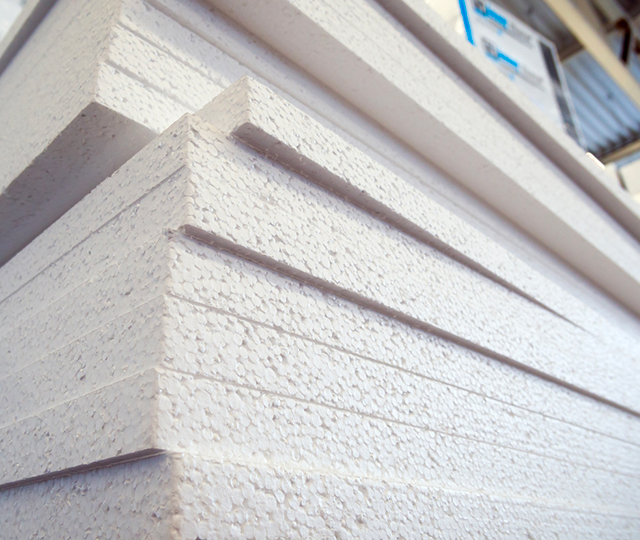
2. Insulating panels
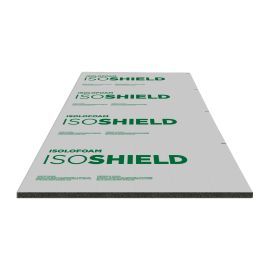
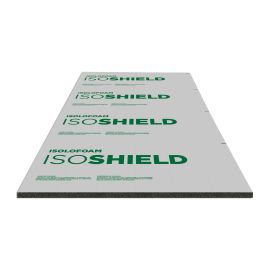
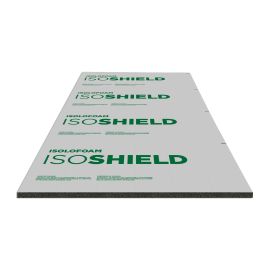
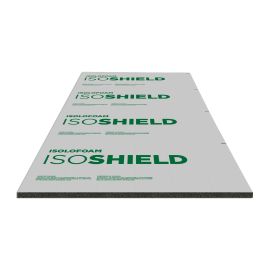
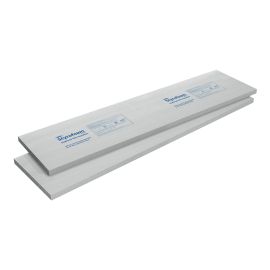
Rigid insulating panels are made from materials like extruded polystyrene (XPS) or polyisocyanurate, offering high-performance insulation even with a thin layer.
Advantages: They exhibit excellent thermal resistance, are durable, and withstand humidity well, making them useful in demanding environments.
Common uses: Rigid panels are particularly effective for insulating exterior walls, foundations, concrete slabs, or basements.
3. Reflective Insulation
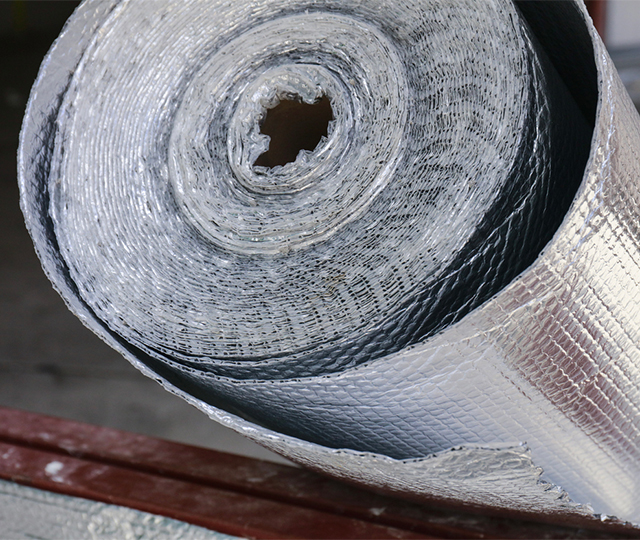
Reflective insulation is designed to reflect heat rather than absorb it. They are generally composed of a flexible or rigid backing covered with a thin aluminum film, which allows them to effectively reflect infrared radiation.
Advantages: Very lightweight and simple to install, they are particularly useful for reducing summer heat in exposed areas.
Common uses: They are often found in attics, roofs, garage walls, or sheds, notably as a supplement to a main insulator.
4. Insulating foam
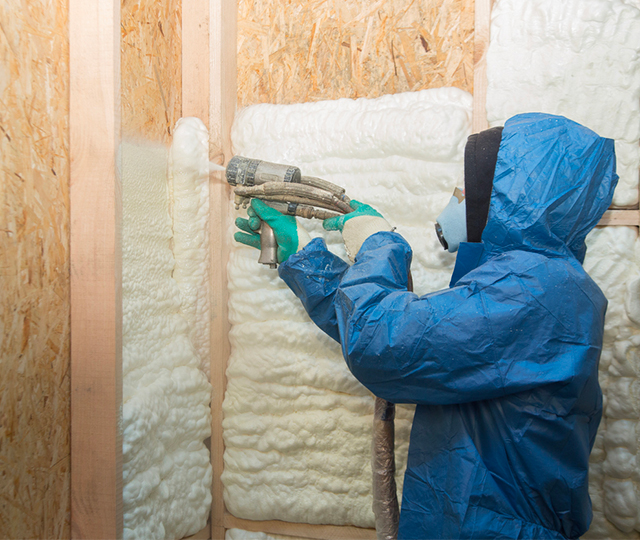
Insulating foams come in two main categories: Rigid foam panels (already mentioned above) and spray foam, which is applied directly to the surfaces to be insulated.
Advantages: These insulators stand out due to their almost perfect airtightness, their very good thermal value, and their ability to fill all cavities, even the most complex nooks and crannies.
Common uses: They are ideal for walls, ceilings, basements, as well as in hard-to-reach or irregularly shaped areas.
Understanding an insulator's thermal performance
When it comes time to choose insulation, it is essential to understand the two key concepts that determine its effectiveness: thermal resistance (R-value) and thermal conductivity (lambda λ).
The R-value:
Thermal resistance, commonly called the "R-value", is used to measure a material's capacity to slow down heat transfer. The higher this value, the more effective the insulation. It is expressed in m2·K/W, which signifies the insulated surface area per degree of temperature difference and per watt of heat transmitted. The R-value depends on the material's thickness and its thermal conductivity.
The lambda (λ):
The λ (lambda) coefficient represents a material's capacity to conduct heat. It is expressed in W/m·K. The lower the lambda, the more effectively the material slows down heat transfer.
Some typical values:
Fiberglass: between 0.035 and 0.040 W/m·K
Polyurethane: between 0.022 and 0.028 W/m·K
Blown Cellulose: around 0.040 W/m·K
How to calculate the required insulation thickness and quantity?
How to calculate the thickness:
The relationship between the two is simple: R = thickness (in meters) ÷ lambda.
In other words, for the same performance, the more conductive a material is (high lambda), the greater the thickness required to achieve the desired resistance.
For example, to achieve R = 10 m2·K/W with different materials for an attic:
Fiberglass (λ = 0.035): required thickness = 35 cm
Polyurethane (sprayed or panel) (λ = 0.025): required thickness = 25 cm
Blown Cellulose (λ = 0.040): required thickness = 40 cm
Always check the R-values displayed on products in store or online. At BMR, they are clearly indicated to help you choose according to your region and type of project.
How to calculate the amount of insulation you need?
1. Calculate the surface area to be insulated (in square feet or square meters), then simply multiply the height by the width of each wall or surface.
Example: an 8-foot-high wall x 12-foot-wide = 8 x 12 = 96 sq.ft.
Sum the total of all surfaces to be insulated (walls, ceilings, attics, floors, etc.).
2. Check the coverage per package. Each insulation product sold at BMR specifies the surface covered by a package, often expressed in square feet.
Example: An R-12 fiberglass insulation roll from Owens Corning covers approximately 88.1 sq.ft. If you need to cover 264 sq.ft.: 264 ÷ 88.1 = approximately 3 packages needed (always round up).
Installing your insulation
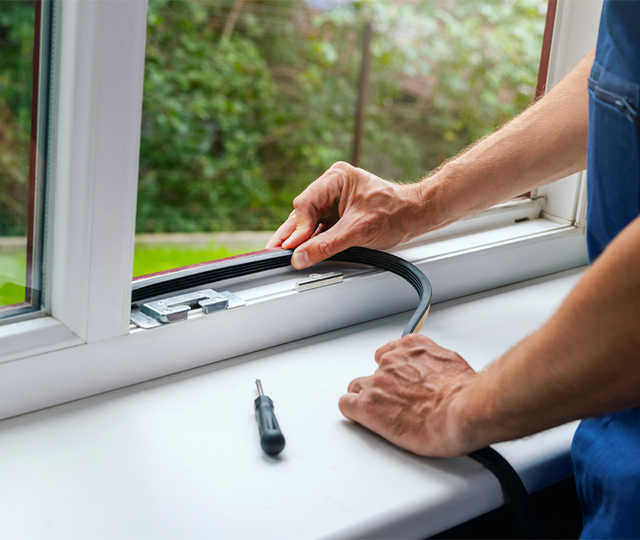
No matter which insulation is chosen, it is important to install it correctly. Even the best product on the market loses some of its effectiveness if it is poorly installed (poorly fitted, untreated thermal bridges, unsealed air leaks).
Be sure to:
- Seal air leaks (tapes, expanding foam, appropriate tape)
- Treat thermal bridges (framing, cold studs)
-
Follow installation recommendations (thickness, orientation, vapour contact)
- Properly ventilate your attic or crawl space to prevent moisture buildup.
With these tips and information, you ensure you stay warm during the winter and cool during the summer.
Need more advice? Visit our experts in store; they will guide you according to your project.
Frequently asked questions: Choosing your thermal insulation
Last update: November 2025
Our insulation products
- Add to Wish List
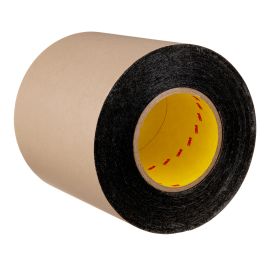 3MAir & Vapour Barrier Through-Wall Flashing Tape - 6" x 75'$64.78
- In stock
- In-store pickup
- Truck delivery
- Add to Wish List
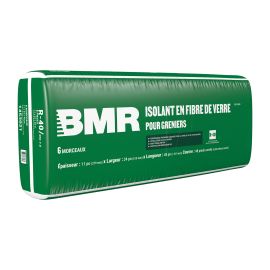 BMRFibreglass Attic Insulation – R-40 – 11" x 24" x 48" – 48 sq ft$79.98
- In stock
- In-store pickup
- Truck delivery