
Whether you own a suburban home or a cozy cabin, a snowblower can transform a daunting chore into a quick and easy task. With so many models available on the market, choosing the right one can be overwhelming.
Our buying guide will walk you through the process to choose the perfect snowblower. Whether you're considering a gas-powered or battery-powered model, we'll cover all the essential factors to help you make an informed decision.
Gas or battery-powered snowblower: How to choose the right model?
There are two types of snowblowers on the market: gas or electric. Each has its perks and quirks, so it really depends on how much snow you get and how big your yard is.
At BMR, there's a snowblower for every budget! Most of the machines we offer range in price from $280 to $2,000, including electric snow shovels.
Gas snowblowers
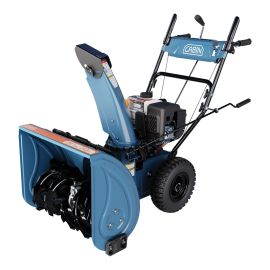
Gas snowblowers pack a serious punch, making them perfect for clearing large driveways. They come in different types, like single-stage, two-stage, or three-stage. The more stages a blower has, the more snow it can handle. Furthermore, two-stage and three-stage models are wider and powerful enough to clear large paths in a single pass.
Electric snowblowers
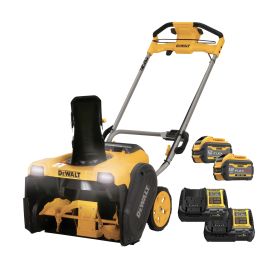
Electric snowblowers run on electricity. You can get them with or without a cord (called battery-powered snowblowers). They're a great eco-friendly choice for smaller driveways. Plus, they're quiet and easy to store.
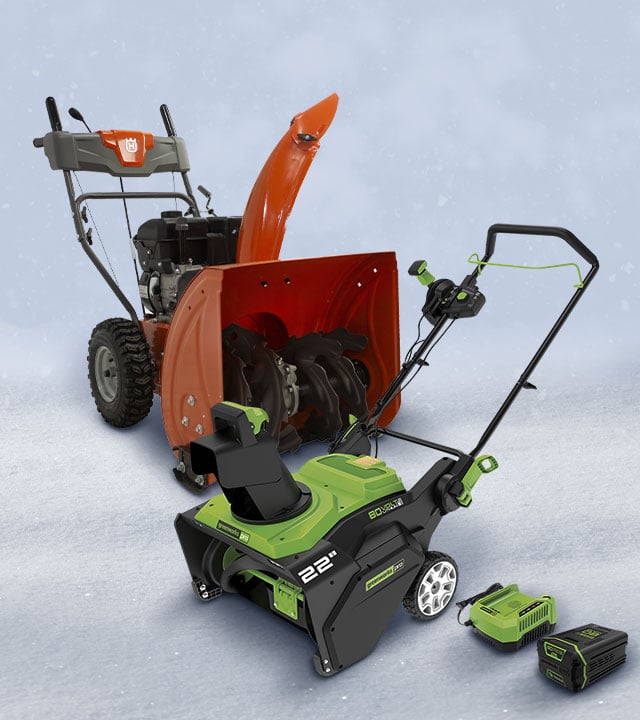
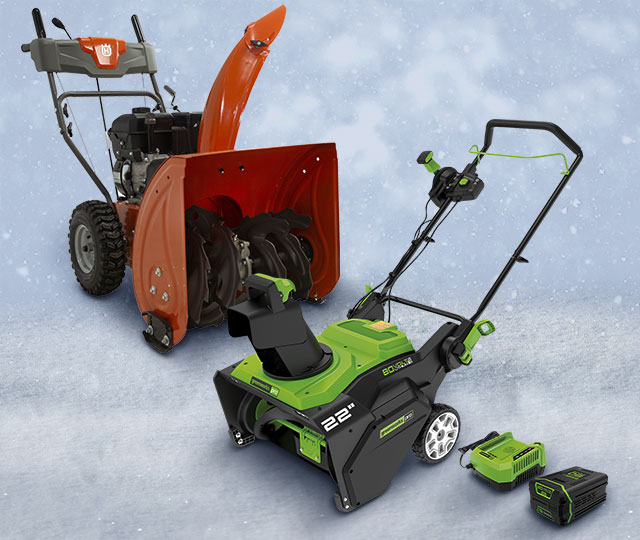
Comparison table: Choosing a snowblower based on your needs
|
Type |
Use |
Advantages |
Inconvenients |
|---|---|---|---|
| SINGLE-STAGE GAS SNOWBLOWER |
|
|
|
| TWO-STAGE GAS SNOWBLOWER |
|
|
|
| THREE-STAGE GAS SNOWBLOWER |
|
|
|
| CORDED ELECTRIC SNOWBLOWER |
|
|
|
| CORDLESS ELECTRIC SNOWBLOWER |
|
|
|
8 things to consider when choosing a snowblower
Selecting the optimal snowblower depends on several factors, including the frequency of snowfall, the type and size of the area to be cleared, and of course your budget.
Here are some key elements to consider when making your selection.
1. Electric start
No more pull cords! Many models are now equipped with a push-button switch that makes starting up considerably easier, especially in difficult weather conditions.
2. Variable speed
Two- or three-stage snowblowers generally have four to six forward speeds and one or two reverse speeds. This range of speed allows you to better adjust to different types of snow and helps prevent clogs in heavy snow. On the other hand, single-stage snowblowers usually only have one speed.
3. Self-propulsion
Some two-stage and three-stage models feature a self-propelled system that allows the machine to move independently, eliminating the need for pushing. This function also enhances maneuverability, particularly in confined spaces, and provides increased power for clearing significant snow accumulations. In situations where freezing rain adds weight to the snow, the self-propulsion feature greatly eases the work.
4. Power steering
Available on select two-stage and three-stage models, power steering enables precise control of the machine's trajectory. This allows you to easily maneuver around obstacles with minimal effort and provides the ability to pivot left or right in place.
5. Chute rotation and tilt
The chute, which directs the snow's ejection, is a key part of any snowblower. Its angle allows you to direct the snow discharge to the desired locations. While basic models often require you to stop and manually adjust the chute, higher-end models offer more convenient options.
6. Lighting system
LED headlights are a game-changer for snow removal in low-light conditions. They enhance visibility and safety, making early morning or late-night snow clearing a breeze!
7. Heated grips
Heated grips are perfect for keeping your hands warm. In addition to improving your comfort, they allow for extended use of the equipment without increasing the risk of frostbite or compromising your dexterity.
8. Battery life
Battery life is a critical factor that directly impacts the efficiency and runtime of a cordless electric snowblower. When making your choice, pay attention to the battery capacity, estimated runtime, charging time, and compatibility with other devices in the same range.
Maintenance: Extend the life of your snowblower
To ensure your equipment remains in good condition and operates for many years, proper maintenance is essential.
For gas-powered snowblowers, inspect the spark plugs at the beginning of each winter and replace them as needed. Also, perform an annual oil change and ensure optimal engine lubrication throughout the season. Keep spare drive belts and shear pins on hand.
For electric snowblowers, simply monitor the condition and charge of the battery and the moving parts.

Electric snow shovels: The perfect choice for small areas
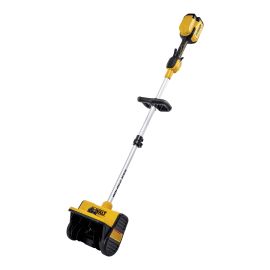
Electric snow shovels are ideal for limited snow removal areas such as sidewalks, patios, balconies, and stairs. Compact, lightweight, and easy to handle, they offer the perfect middle ground between a traditional snow shovel, which requires significant physical effort, and a bulkier snowblower. Ergonomically designed, they are easy to use and store.
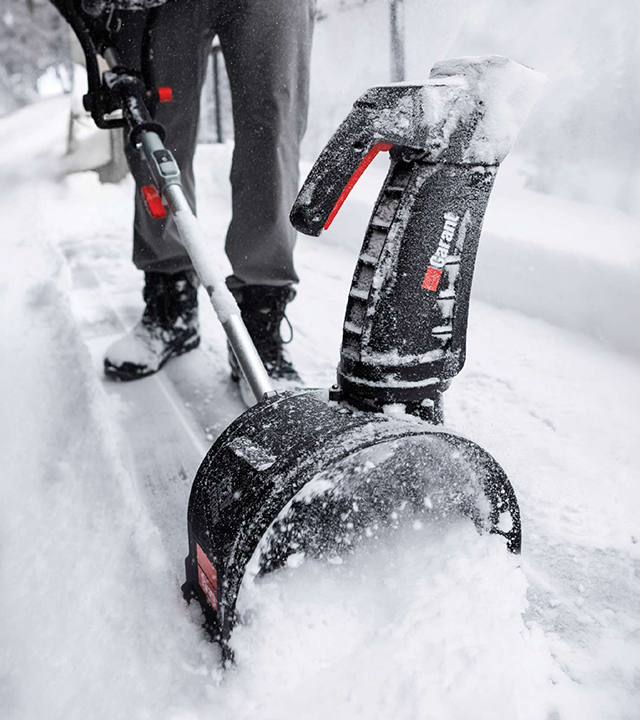
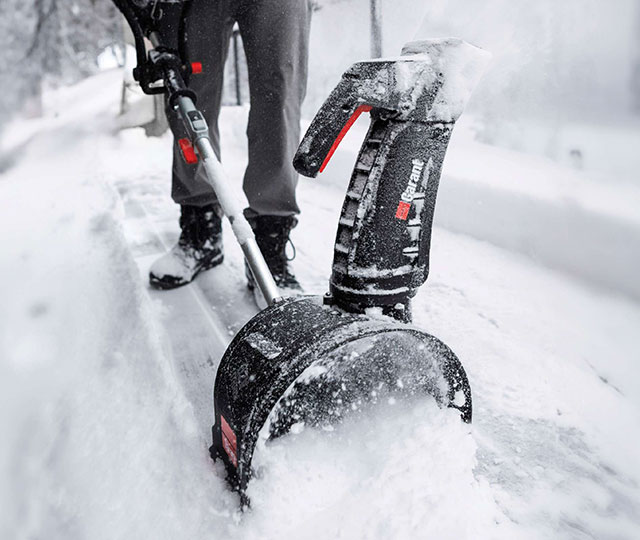
Ready to make your choice? Shop our various models of snowblowers and snow shovels online or visit one of our stores. Our advisors will help you choose the device best suited to your needs.
Frequently asked questions: Choosing a snowblower
Last update: September 2025
Gear up for the season
- Add to Wish List
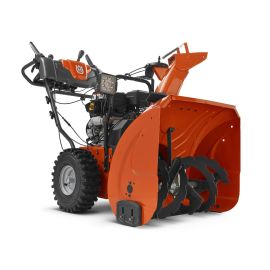
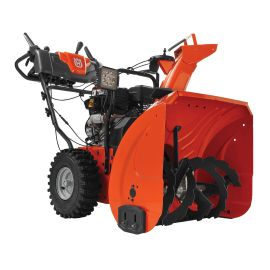
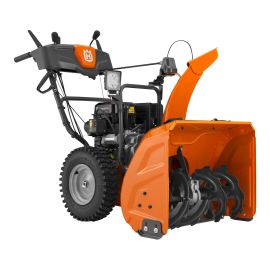 HUSQVARNATwo-Stage Gas Snow Blower - 27" - 255cc - Electric Start$1,799.98
- Available online
- 7 to 10 day pickup
- Add to Wish List
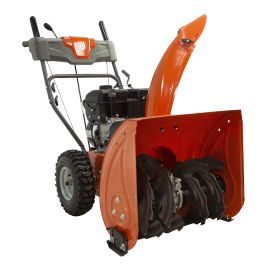
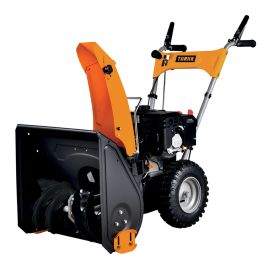 TORKK2-Stage Gas Snow Blower - 212cc - 24" - 4 Forward Speeds$799.98
- In stock
- In-store pickup
- Truck delivery
- Add to Wish List
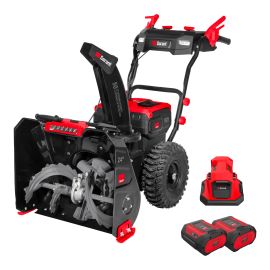 GARANTCordless 2‑Stage Snow Blower – 24", 62V, 2 Batteries – Black$2,399.98
- In stock
- In-store pickup
- Truck delivery
- Add to Wish List
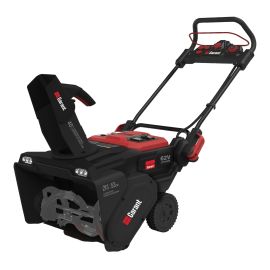 GARANTCordless Snow Blower – LED Lights – 21" – 62V$1,149.98
- In stock
- In-store pickup
- Truck delivery
- Add to Wish List
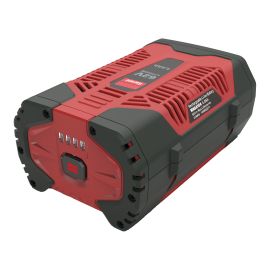 GARANTLithium Battery - 62V - 4 Ah - Red/Black$299.98
- Available online
- 7 to 10 day pickup
- Parcel delivery
- Add to Wish List
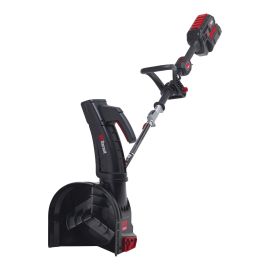 GARANTSnow Shovel - Battery - Cordless - 12"$629.98
- In stock
- In-store pickup
- Parcel delivery
- Truck delivery
- Add to Wish List
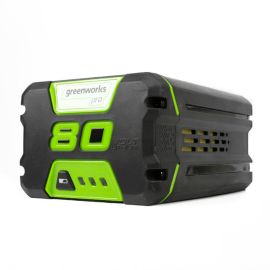
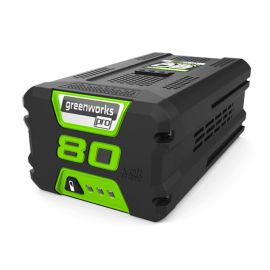 GREENWORKSBattery - PRO 80V - Lithium-ion - 4.0 A$229.98
- In stock
- In-store pickup
- Parcel delivery
- Truck delivery
- Add to Wish List
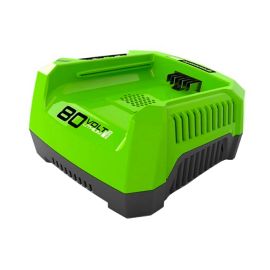 GREENWORKSRapid Battery Charger - Pro Max - 80 V$79.98
- Available online
- 7 to 10 day pickup
- Parcel delivery
- Add to Wish List
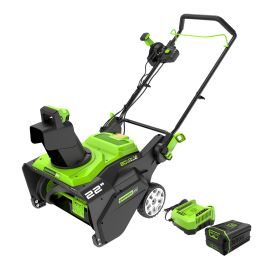 GREENWORKSSnow blower, Battery, Cordless, 22"$799.95 $849.98
- In stock
- In-store pickup
- Parcel delivery
- Truck delivery
- Add to Wish List
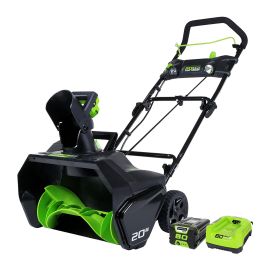 GREENWORKSSnowblower, Battery, Cordless, 20"$469.95 $499.98
- In stock
- In-store pickup
- Parcel delivery
- Truck delivery
- Add to Wish List
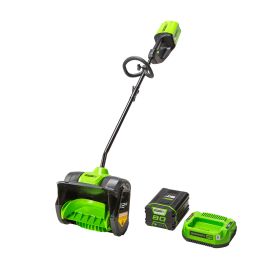 GREENWORKSSnow Shovel, Battery, Cordless, 12"$369.95 $399.98
- In stock
- In-store pickup
- Parcel delivery
- Truck delivery
- Add to Wish List
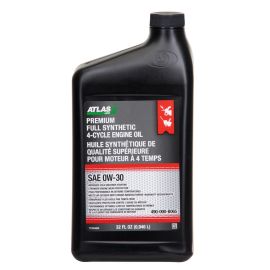 ATLASPremium Full Synthetic 4-Cycle Engine Oil - , SAE OW-30 - 946 ml$12.98
- In stock
- In-store pickup
- Truck delivery
- Add to Wish List
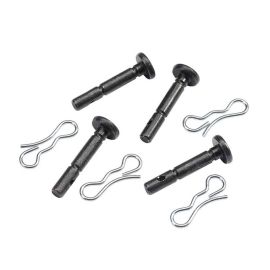 MTD PRODUCTS PARTSShear pins 3 phases for snowthrower$9.98
- In stock
- In-store pickup
- Parcel delivery
- Truck delivery
Shop by brand