
Pollinating insects and birds help plants reproduce by carrying pollen from one plant to another. Along with the wind, these animals contribute to the production of fruits and vegetables, among other things. It is therefore possible to take advantage of their presence around your home to obtain a diverse garden and an abundant harvest. Here are some simple tips to invite them into your vegetable garden and flower beds.
Growing early-blooming plants
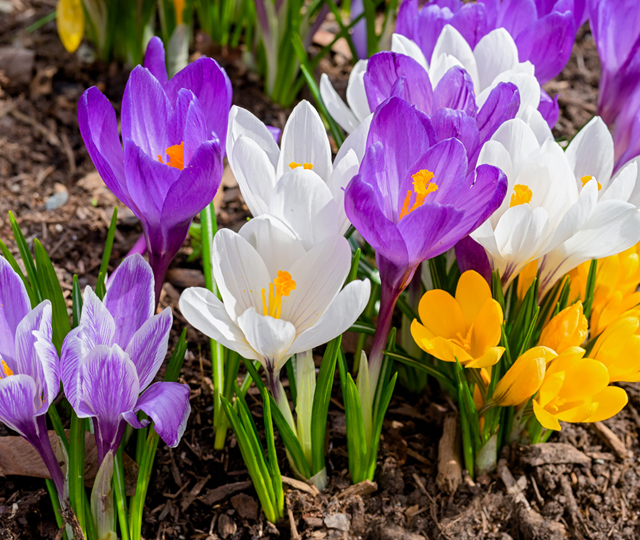
To attract pollinators from the first signs of spring, grow spring-blooming plants. Their flowers will feed the insects as soon as the snow melts. These can be trees, bulbs or perennials. Willow, crocus or primrose will be among the first to come back to life as soon as milder temperatures appear.
Plant colourful flowers
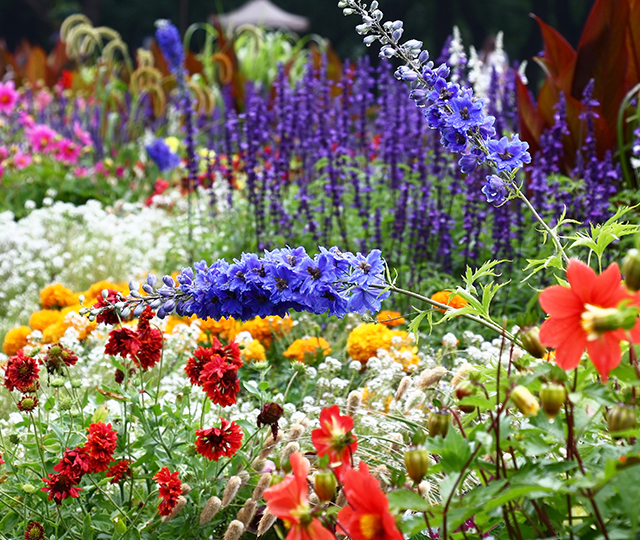
Create an attractive environment for bees and butterflies in your garden by adding flowers of multiple colours. Flowers with blue, white or yellow hues will attract bees. Butterflies, on the other hand, prefer blue and purple flowers.
Avoid cultivars with double or triple flowers because the pollen is more difficult to access. Choose diverse plant species known for their bright colours but also for their particular shapes.
Planting herbs and annuals
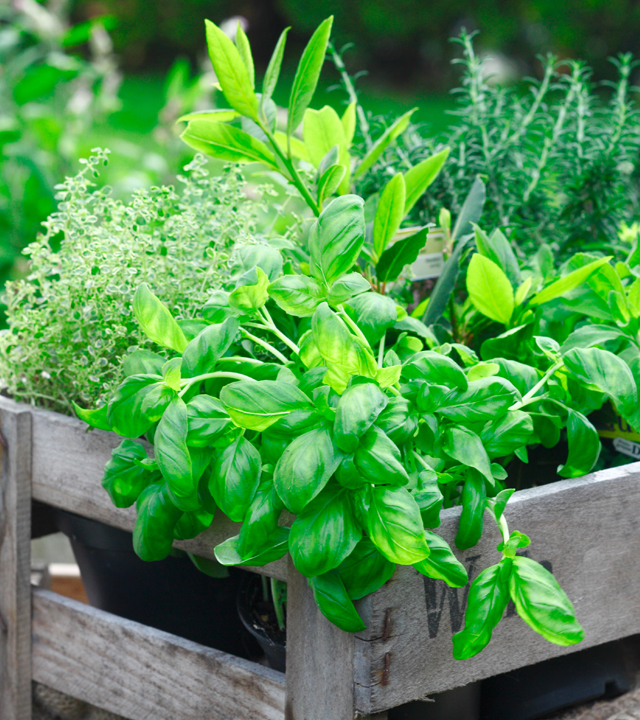
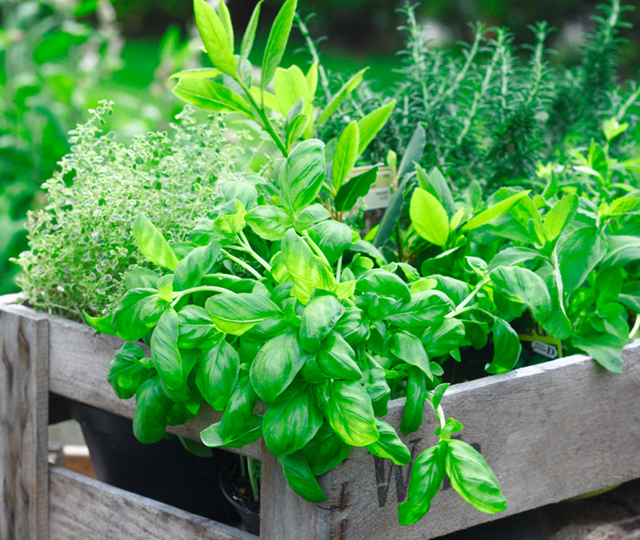
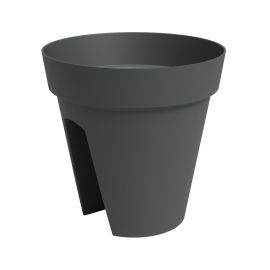
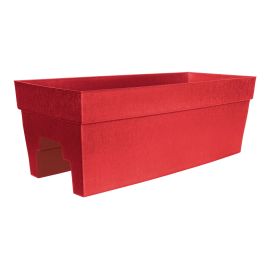
Not enough space to add plants to your vegetable garden? No problem! Several species of herbs can be grown in pots and have the advantage of attracting pollinating insects. These particularly appreciate chives, dill and oregano. Plant them in a pot or in a rail planter to save space.
For guaranteed success, add annuals with prolonged flowering such as marigolds, nasturtiums and alyssum to the garden or your arrangements.
Installing bird feeders
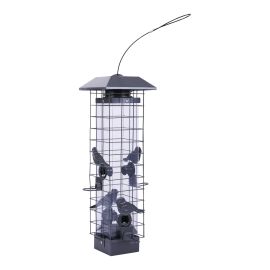
To divert the attention of insect-eating birds such as woodpeckers, swallows and tits, install bird feeders around your garden. A feeder for black sunflower seeds or suet cakes will please many species of birds.
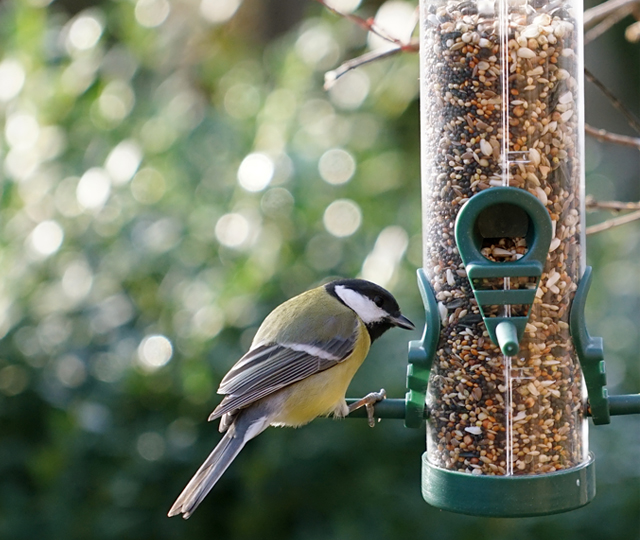
Attracting hummingbirds in your yard
A seasoned pollinator, the hummingbird enjoys gardens where red flowers predominate, such as columbines, azaleas and zinnias. The hummingbird is fond of their sweet nectar.
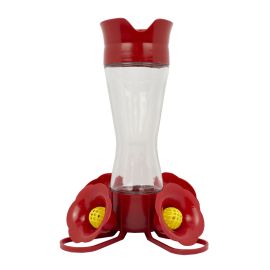
To make your yard even more attractive, place a hummingbird feeder near the garden. Clean the feeder frequently because ants also appreciate hummingbird nectar.
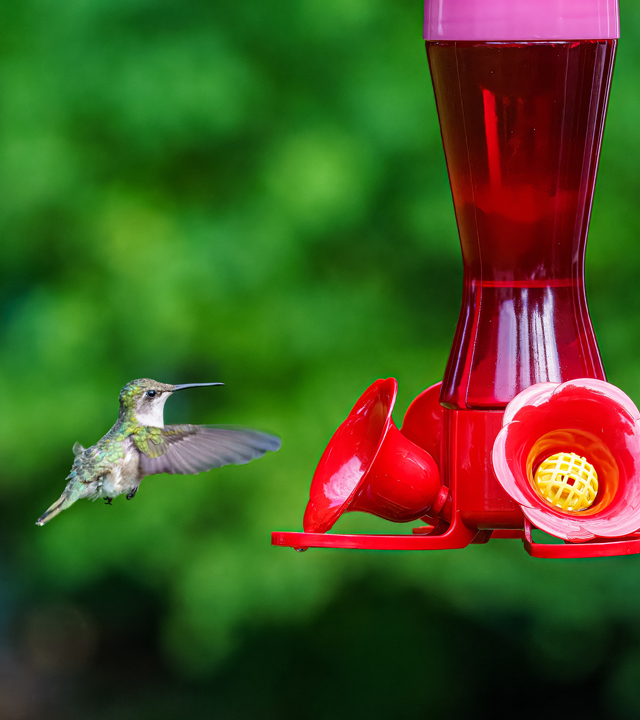
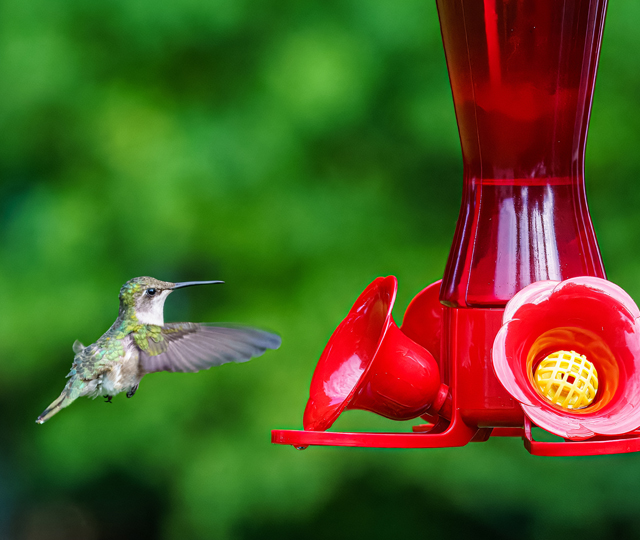
With these few tips, you will attract butterflies, bees and hummingbirds to your yard. Although many fear the presence of insects around their outdoor space, cohabitation with pollinators offers several benefits such as the pollination of your plants, the fight against pests and the increase of biodiversity in the garden.
Need more tips? Visit a BMR dealer to talk to an expert.
Your must-haves
- Add to Wish List
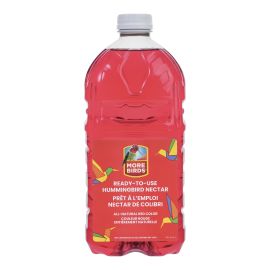 ARMSTRONG MILLINGNectar Hummingbird - Pre-Mix - 640 oz$9.98
- In stock
- In-store pickup
- Parcel delivery
- Add to Wish List
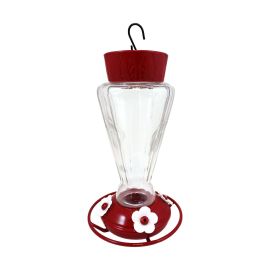 ARMSTRONG MILLINGHummingbird Feeder - More Birds - 28 oz - Red$19.98
- In stock
- In-store pickup
- Parcel delivery
- Truck delivery
- Add to Wish List
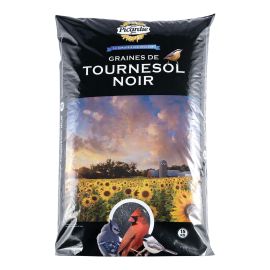 PICARDIEBlack Sunflower Seeds for Wild Birds - 15 kg$20.97 $21.98
- In stock
- In-store pickup
- Truck delivery
- Add to Wish List
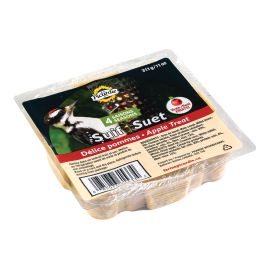 PICARDIESuet for Birds - Aple Treat - 311 g$1.58
- In stock
- In-store pickup
- Parcel delivery
- Truck delivery
- Add to Wish List
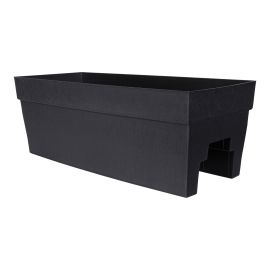 DCNHarmony Rail Planter - 27" - Black$34.98
- In stock
- In-store pickup
- Parcel delivery
- Truck delivery
- Add to Wish List
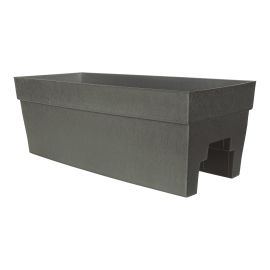 DCNHarmony Rail Planter - 27" - Slate$34.98
- In stock
- In-store pickup
- Parcel delivery
- Truck delivery
Shop by category
Additional articles
Mistakes to avoid when growing a vegetable garden
Growing a vegetable garden is a rewarding activity for people of all ages. With just a few tools, you can grow an impressive variety of vegetables, fruits and herbs to fill up your plate throughout the summer season and beyond.
How to start a flower garden in 5 steps
Your flower garden is a central element of your home’s exterior that will be with you for years to come. To keep your garden tidy and manageable in the long run, it’s important to plan it well. Here are a few tips to help you bring your dream garden to life.
5 tips to help your plants survive heat waves
With hot, dry summers becoming more common in recent years, it can be challenging to garden without using large amounts of water. However, by watering your plants correctly, you can limit water use and still give your plants the moisture they need.