
Whether you maintain your property regularly or only occasionally, a lawn mower remains an essential piece of equipment for every homeowner or cottage owner. When it comes time to choose a model, the wide range of options available can make the decision feel overwhelming.
The start of the gardening season is the perfect time to select the mower that best suits your needs. From manual reel mowers to electric, battery-powered, or gas-powered models, each type offers distinct advantages and limitations depending on your terrain and usage. This guide will help you compare your options and identify the mower best suited to your requirements. You will also find a selection of key criteria and must-have models to help you make the right choice.
Questions to consider before choosing a lawn mower
Before you start comparing models, begin by defining your usage.
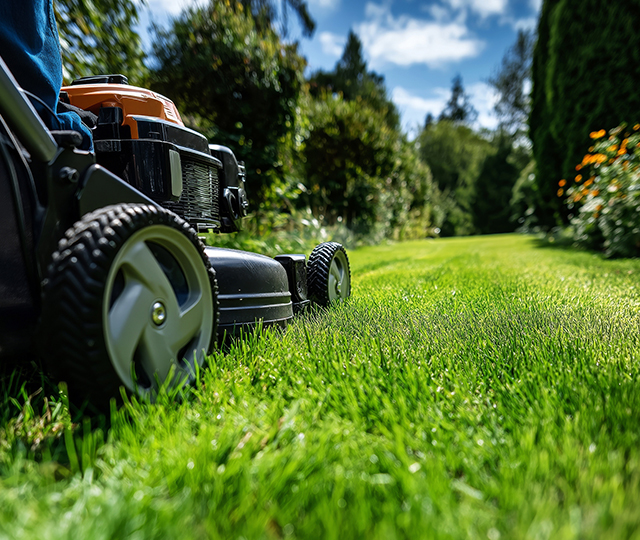
The size and layout of your property directly influence the mowing area you can cover in a single session with a gas-powered lawn mower.
1. What is the size of your lawn?
The size of your property is the most decisive factor in choosing the right mower. It directly influences the power, runtime, and type of machine you should prioritize.
- Less than 500 m² (approx. 5,400 sq.ft.): Electric or battery-powered mower.
Ideal for occasional use, easy to maneuver, and requires little maintenance. - 500 to 1,500 m² (approx. 5,400 to 16,000 sq.ft.): High-performance battery-powered or gas-powered mower.
Offers a good balance of runtime, power, and ease of use. - 1,500 m² and more (over 16,000 sq.ft.): Gas-powered mower or ride-on mower.
Recommended for covering large areas quickly with minimal effort.
2. What type of terrain do you have?
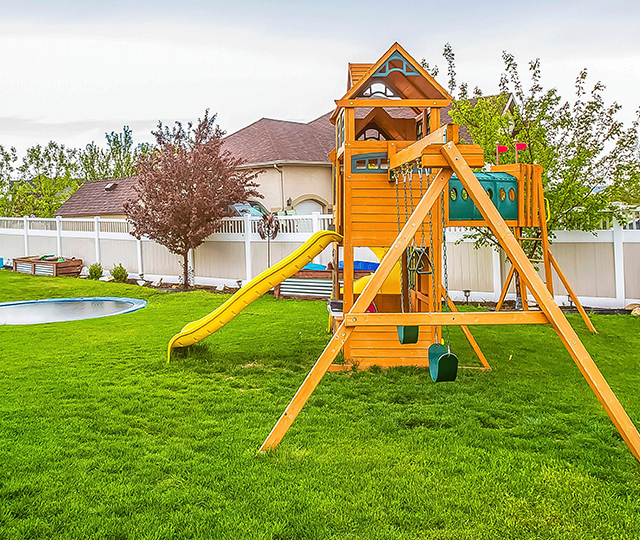
The type of terrain directly influences the maneuverability and ease of use of your lawn mower. It is important to adapt your choice to the specific physical characteristics of your property.
- Flat terrain: All models are suitable.
You can choose based on your personal preferences (electric, battery-powered, or gas-powered) without any particular constraints. - Sloped terrain: Opt for a self-propelled mower.
Self-propulsion reduces physical effort and improves control, especially on inclines. - Terrain with obstacles (trees, flower beds, furniture): Prioritize maneuverability.
Battery-powered mowers or robotic mowers are easier to maneuver in complex spaces.
3. How often do you mow your lawn?
- The frequency of use directly influences the level of performance and durability required. The more often you mow, the more powerful and robust your equipment needs to be for sustained use.
- Occasional use (once or twice a month): Electric or battery-powered mower.
Sufficient for light maintenance on lawns that don't require frequent mowing. - Regular use (about once a week): High-end battery-powered or gas-powered mower.
Allows for consistent cutting with good runtime. - Intensive use (more than once a week or large areas): gas-powered or ride-on mower.
Recommended for demanding properties or frequent use where the equipment is put under higher strain.
Lawn mower types
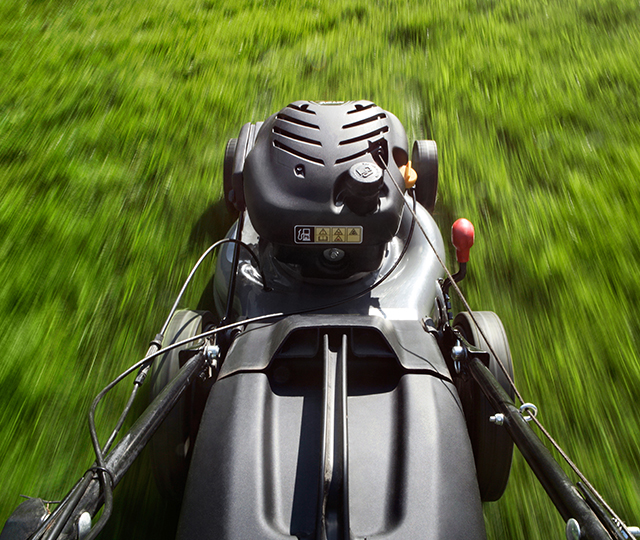
Choosing the right type of mower is essential, as each technology is designed for a specific purpose. Your choice will directly impact the ease and efficiency of your lawn care routine.
1. The reel mower
The manual reel mower is the quietest and most eco-friendly option of all. It delivers excellent results and requires very little maintenance, other than cleaning the blades. It is the ideal solution for flat lawns of 5,000 square feet or less.
On the downside, it requires more physical effort as it is not motorized. It also proves less effective on tall grass. The purchase price typically ranges from $100 to $200.
2. The gas-powered mower
The gas-powered mower is one of the most powerful pieces of outdoor power equipment available. It comes with various features: push or self-propelled models, with or without an electric start, and two-stroke or four-stroke engines. It is an excellent solution for lawns up to 20,000 square feet and properties with slopes.
However, it is the loudest and most polluting option on the market. It requires annual tune-ups and regular maintenance, including oil changes and adding fuel stabilizers. They generally retail starting at $250.
3. Battery-powered mower
The battery-powered mower is very quiet, eco-friendly, and offers great mobility. Aside from sharpening the blades, it requires no special maintenance. It is an interesting option for lawns of 6,000 square feet or less.
However, this type of machine is often heavier, and its runtime is limited by the 24-volt battery, which requires frequent charging—especially if the grass is long. Over time, the battery may no longer hold a charge; replacing it can cost 30% to 60% of the purchase price of the mower, which ranges from $500 to $1,500 depending on the brand and model selected.
4. The electric mower
The electric mower has the advantage of being lightweight and eco-friendly, without producing toxic fumes. It requires minimal maintenance, as only annual blade sharpening is essential for proper operation. This type of machine is generally equipped with a 7 to 17-amp motor.
However, the power cord significantly affects handling and mobility. It is also recommended to use it only on dry grass to avoid any risk of electric shock. The purchase price ranges between $200 and $400.
Pro Tip: In addition to the power source, several factors can impact your lawn mower's performance, such as blade quality, height adjustment, wheel size, and options for bagging, mulching, or side-discharging debris.
Technical criteria to compare
1. Push of self-propelled
Some gas-powered and battery-powered mowers are equipped with a self-propelled system that can be adjusted to your walking speed, which considerably reduces physical effort. It is very practical for large lawns!
That said, push mowers are more affordable and often better suited when the grass is long or wet. If you choose the latter, pay attention to the weight of the model you select.
2. Required power
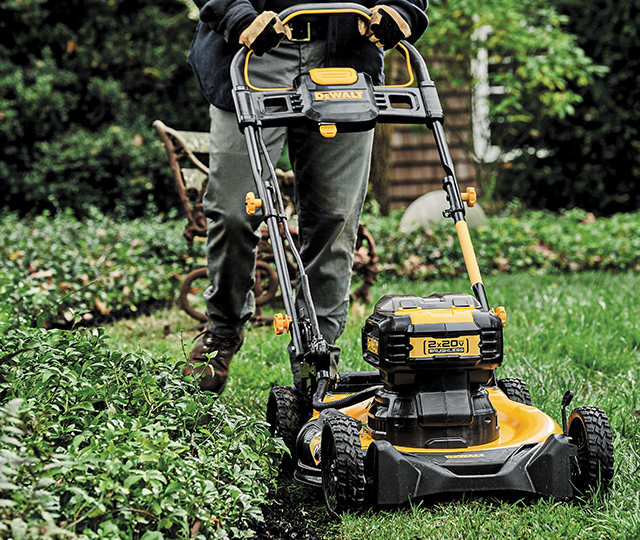
Power varies from one model to another. Gas engine power is usually indicated by torque in foot-pounds (ft-lb) or by engine displacement in cubic centimeters (cc).
As a rule, torque ranges from 5 to 7.5 ft-lb, while engine displacement typically falls between 125 and 190 cc. The power of an electric motor, on the other hand, is specified in amperes and varies between 7 and 17 A.
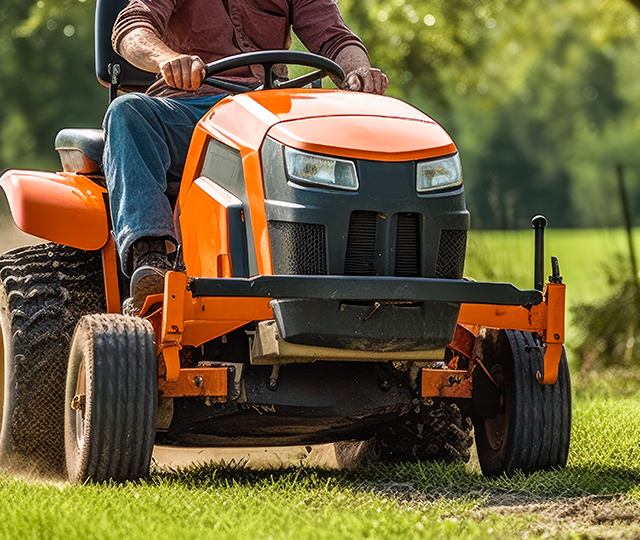
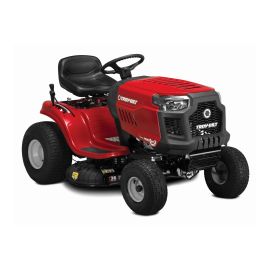
Pro tip: Is your property over 20,000 square feet? It might be wise to opt for a lawn tractor… unless you want to exceed 10,000 steps a day! In addition to significantly reducing the time required, its powerful engine easily cuts through longer grass, which decreases the number of mows needed throughout the season
3. Weight
Gas-powered mowers are known to be heavier, and this is even more true if the selected model does not have a self-propelled system. As a guide, the weight of most machines with an empty tank is between 18 and 34 kg, compared to 13 to 23 kg for electric models.
4. Battery life and recharge time
Are you considering purchasing a battery-powered mower? Battery life is an essential criterion to consider. Most machines run for between 30 and 45 minutes; this duration can vary depending on factors such as the slope of the terrain, the length of the grass, and weather conditions. If the task at hand requires more time, you may need to equip yourself with an additional battery.
Pro tip: A machine’s battery life is influenced by the type of mowing and the length of the grass. A model that features a lever to easily adjust the cutting height could therefore save you time and energy.
5. Grass clippings
While manual reel mowers leave clippings on the ground, electric, battery-powered, and gas models can bag the grass, discharge it from the side, or mulch it to enrich the soil.
Pro tip: To naturally curb the growth of weeds, keep your grass at a height of three to four inches. You should also change your mowing pattern from time to time to keep the lawn healthy.
6. The warranty
Most lawn mowers come with coverage ranging from one to five years, applying to the engine, the battery, or the charger. With all this great advice, it’s now impossible to claim that "the grass is always greener on the other side!"
Comparison of mower types on technical criteria
| Criteria | Manual Reel | Gas-Powered | Battery-Powered | Electric |
|---|---|---|---|---|
| Recommended Area | Small | Large | Medium | Small |
| Power / Performance | Low | High | Medium to High | Medium |
| Cutting Width | Low | Medium to High | Medium | Low to Medium |
| Runtime | Very High | High | Medium | High |
| Weight | Very Low | High | Medium to High | Low |
| Propulsion Type | Push | Push / Self-propelled | Push / Self-propelled | Push |
| Manoeuvrability | High | Medium | High | Medium |
| Maintenance | Very Low | High | Very Low | Low |
| Noise Level | Very Low | High | Low | Low |
| Environmental Impact | Very Low | High | Low | Low |
The string trimmer: an essential complement
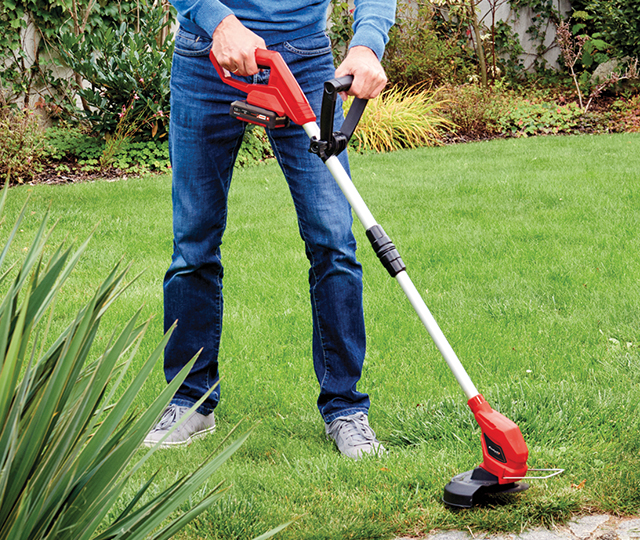
Some lawn mowers are sold with a string trimmer. This option is particularly attractive if you select a battery-powered device whose battery can be interchangeable. Several electric or gas-powered models are also available on the market.
Equipment and Accessories
To make the most of your lawn mower, it is wise to equip yourself with the right accessories. Cordless mowers, for example, require a high-performance battery charger to ensure optimal runtime for every mowing session. Also, consider getting suitable grass collection bags, which make collecting clippings easier and help keep your lawn looking pristine. Replacement blades are another essential: well-sharpened blades ensure a clean cut and extend the lifespan of your mower.
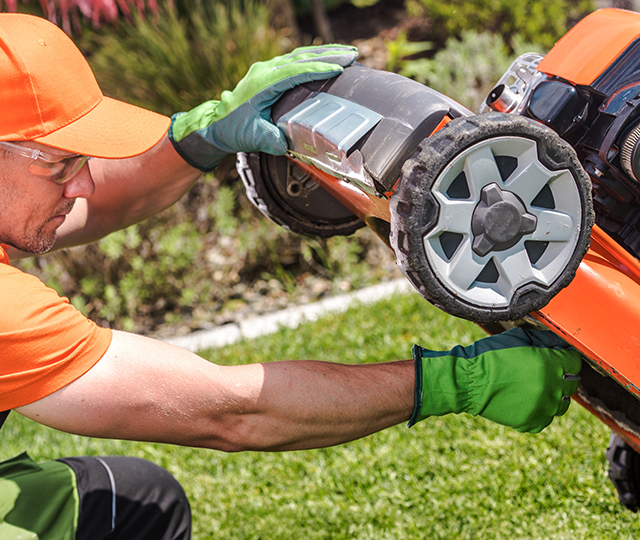
Finally, to work safely, do not forget hand and eye protection, especially when handling the blades or picking up debris. Choosing the right equipment and accessories is key to guaranteeing optimal performance and efficient mowing, season after season.

Care and Maintenance
Regular maintenance is the key to preserving your lawn mower’s performance and lifespan. After each use, take the time to clean the deck and remove any grass residue that may have accumulated under the machine. Frequently check the condition of the blades: a dull blade reduces the quality of the cut and puts more strain on the engine. Replace or sharpen them as needed to maintain a precise and uniform cut.
For battery-powered models, monitor the charge level and recharge the battery after each mowing session to avoid running out of power during your next use. Careful maintenance extends the life of your mower and ensures a lawn that is always well-kept.
Ready to buy your lawn mower? Browse the models available online or find your nearest BMR store to explore the selection available at your local dealer.
Frequently Asked Questions about lawn mowers
Last updated: July 2026
Popular Picks
- Ajouter à ma liste de souhaits
 GARANTTondeuse à gazon sans fil, 62 V799,98 $
- En stock
- Ramassage en magasin
- Livraison par colis
- Livraison par camion
- Ajouter à ma liste de souhaits
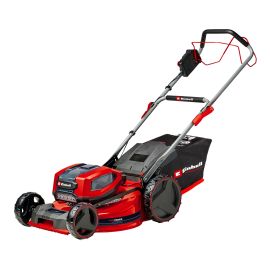 EINHELLEnsemble tondeuse autoportée sans fil, 36V, 21"899,98 $
- En stock
- Ramassage en magasin
- Livraison par camion
- Ajouter à ma liste de souhaits
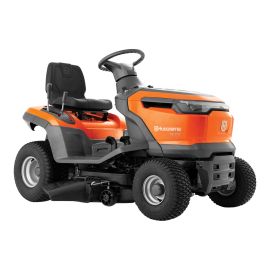 HUSQVARNATracteur à gazon, 13,8 HP, plateau de coupe 38"2 599,97 $ 2 799,98 $
- Disponible en ligne
- Ramassage 7 à 10 jours
- Ajouter à ma liste de souhaits
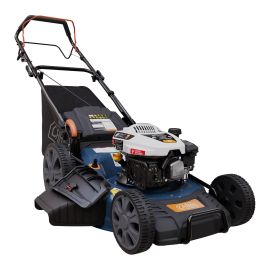 MIDLANDTondeuse à gazon à essence, moteur 173 cm³, 22", 3 en 1399,98 $
- En stock
- Ramassage en magasin
- Livraison par camion
- Ajouter à ma liste de souhaits
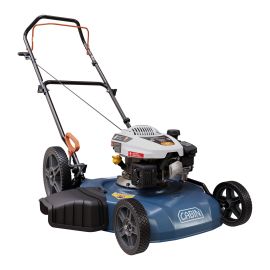 MIDLANDTondeuse à gazon à essence, moteur 150 cm³, 21", 2-en-1249,98 $
- En stock
- Ramassage en magasin
- Livraison par camion
- Ajouter à ma liste de souhaits
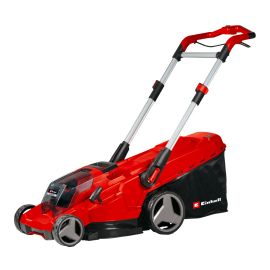 EINHELLTondeuse à gazon poussée, sans fil, 17", 36V399,98 $
- En stock
- Ramassage en magasin
- Livraison par camion
- Ajouter à ma liste de souhaits
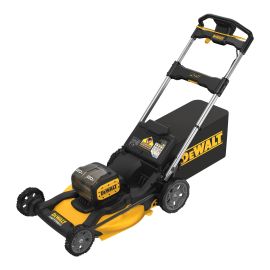 DEWALTTondeuse Poussée, sans fil, 2X20 V MAX XR679,97 $ 749,98 $
- En stock
- Ramassage en magasin
- Livraison par camion
- Ajouter à ma liste de souhaits
 MILWAUKEEEnsemble de tondeuse autopropulsée M18 FUEL de 21" à bloc-piles double1 549,98 $
- En stock
- Ramassage en magasin
- Livraison par camion
- Ajouter à ma liste de souhaits
 WORXTondeuse à gazon sans fil Power Share, 40 V, 4.0 A, 16"449,98 $
- Disponible en ligne
- Ramassage 7 à 10 jours
- Ajouter à ma liste de souhaits
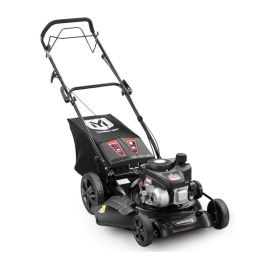 YARD MACHINESTondeuse autopropulsée à traction arrière Yard Machines 3-en-1, 20"449,98 $
- En stock
- Ramassage en magasin
- Livraison par camion
- Ajouter à ma liste de souhaits
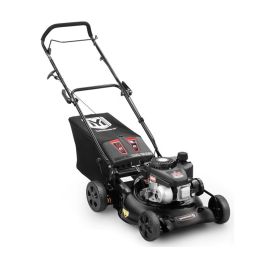 YARD MACHINESTondeuse poussée à sac arrière Yard Machines 2-en-1, 20"399,98 $
- En stock
- Ramassage en magasin
- Livraison par colis
- Livraison par camion
- Ajouter à ma liste de souhaits
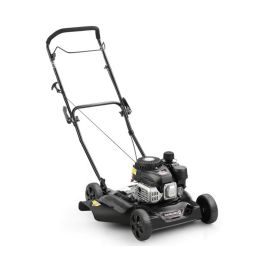 YARD MACHINESTondeuse poussée Yard Machines 2-en-1 - 20"- 132cc279,98 $
- En stock
- Ramassage en magasin
- Livraison par colis
- Livraison par camion
- Ajouter à ma liste de souhaits
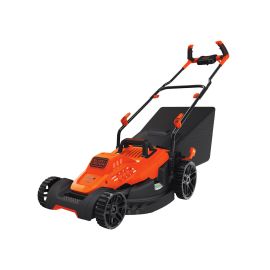 BLACK & DECKERTondeuse à gazon électrique219,95 $ 249,98 $
- Disponible en ligne
- Ramassage 7 à 10 jours
- Livraison par colis



Shop by categories
Other articles of interest


5 tips to help your plants survive heat waves
With hot, dry summers becoming more common in recent years, it can be challenging to garden without using large amounts of water. However, by watering your plants correctly, you can limit water use and still give your plants the moisture they need.


Properly using your fertilizer
Most of us have only one thing in mind: nice, fresh vegetables to eat, gorgeous flowers to pick and admire, and a beautiful, healthy green lawn...


7 essential outdoor gardening tools
The right tools make all the difference in the garden! Discover the essentials for planting, pruning, weeding, and maintaining your outdoor spaces, along with a few tips to keep your tools in great condition season after season.